




/file/dailymaverick/wp-content/uploads/2025/04/Krill_school_1_credit-Aker-Qrill.jpg)

























Iran’s unique government structure may offer Trump a feasible end state
Tehran would be no match for Washington’s firepower – but the US president must also think of the Islamic Republic’s future
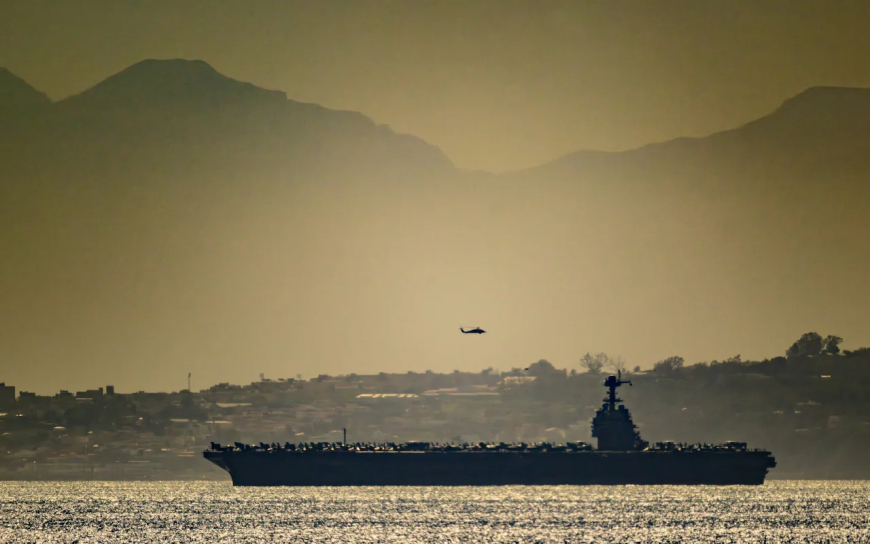
The concentration of American air and sea power in position to strike Iran is remarkable. It is the sort of build-up one normally associates with the opening phases of a major campaign, not a gesture or a brief intervention. The question, therefore, is simple: what is the desired end state?
Is it an assurance that Iran will not build nuclear weapons? The US president previously declared that Iran’s capacity to develop nuclear weapons had been effectively neutralised after the “Operation Midnight Hammer” strikes last year. If that were accurate, such a formidable deployment would appear unnecessary. If it were not, then this may be about finishing an incomplete task.
Alternatively, the US’s moves may signal something far more ambitious: the prospect of regime change in Tehran.
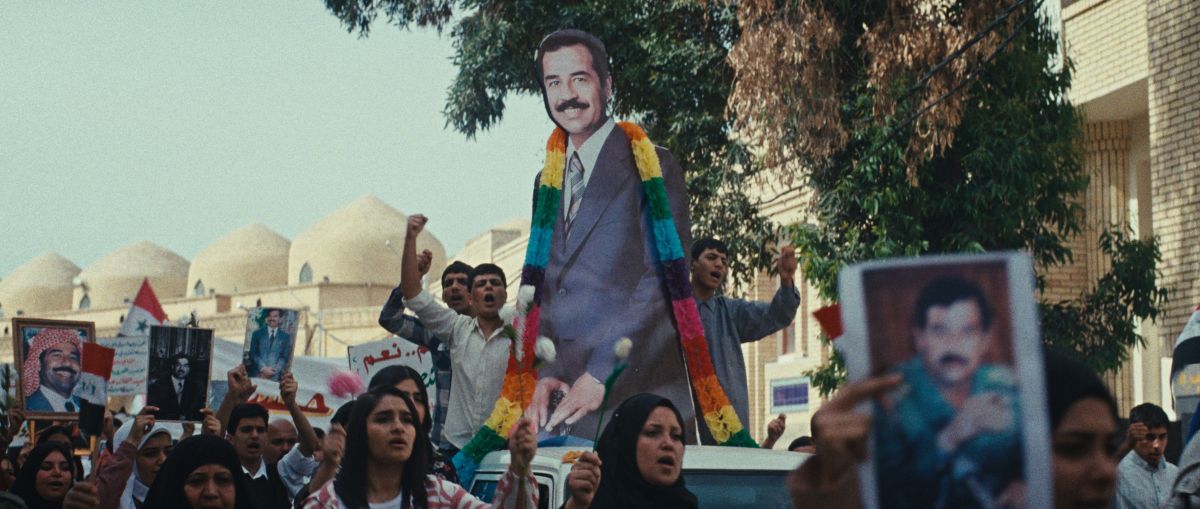
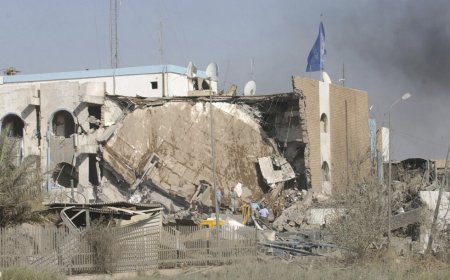
But removing a regime is rarely the hardest part. Establishing what follows is where history becomes unforgiving. Iraq stands as a stark example. The removal of Saddam Hussein from power was swift; the aftermath endured for two decades. Only now are Baghdad and the territories it controls approaching something resembling equilibrium, and even that remains fragile.
Talk of restoring Iranian monarchic rule appears speculative at best. But Iran is, perhaps, a special case among Middle Eastern governments. There is a democratically elected president and legislature alongside the theocracy of unelected mullahs. The supreme leader, the guardian council and the rest of the theocracy – very much including the Islamic Revolutionary Guard Corps (IRGC) – are, bluntly, the bad parts of the Iranian regime. Were they to be removed or stood down, the democratic government and the normal, non-IRGC armed forces (they still exist) might have the legitimacy and status to carry on as a viable state. No such prospect was possible in Iraq or Afghanistan.
Make no mistake, the theocracy with its IRGC and other tools of repression such as the Basij militias are not popular. The regime has systematically suppressed dissent for decades. Protests, particularly those led by women demanding fundamental rights, have been met with brutal repression. Thousands have paid a heavy price for challenging clerical rule.
While many Iranians appear indifferent to arguments over nuclear weapons, there is credible evidence of deep dissatisfaction with clerical rule. Iran is not an uneducated or completely isolated society. It possesses a highly capable diaspora and a population with significant professional and academic depth. Given space and stability, it could perhaps chart a different course.
Militarily, the United States retains overwhelming superiority. If Washington chose to conduct a sustained air campaign, Iran’s conventional forces, equipped largely with ageing Russian systems or local makeshifts, would struggle to mount an effective defence.
But military feasibility is not the same as strategic wisdom. Once large-scale strikes begin, events develop their own momentum.
Strategic patience is rarely dramatic, but it is often effective – though not hitherto associated with the current US president. The most enduring victories are those achieved without setting entire regions ablaze. History tends to reward leaders who understand that restraint, when properly applied, is not weakness but control.
The coming days will reveal whether this concentration of force is intended to ignite another Middle Eastern conflagration or to prevent one. Perhaps the president can find his inner Sun Tzu and win without fighting – that greatest of all military victories – which might lead to his greatest desire, a Nobel Peace Prize, and, far more importantly, a better life for the majority of Iranians.
[Source - Hamish de Bretton-Gordon opinion - Daily Telegraph]