/file/attachments/2996/04ED_610405_518242.jpg)


/file/dailymaverick/wp-content/uploads/2023/10/CovidGrant-1.jpg)





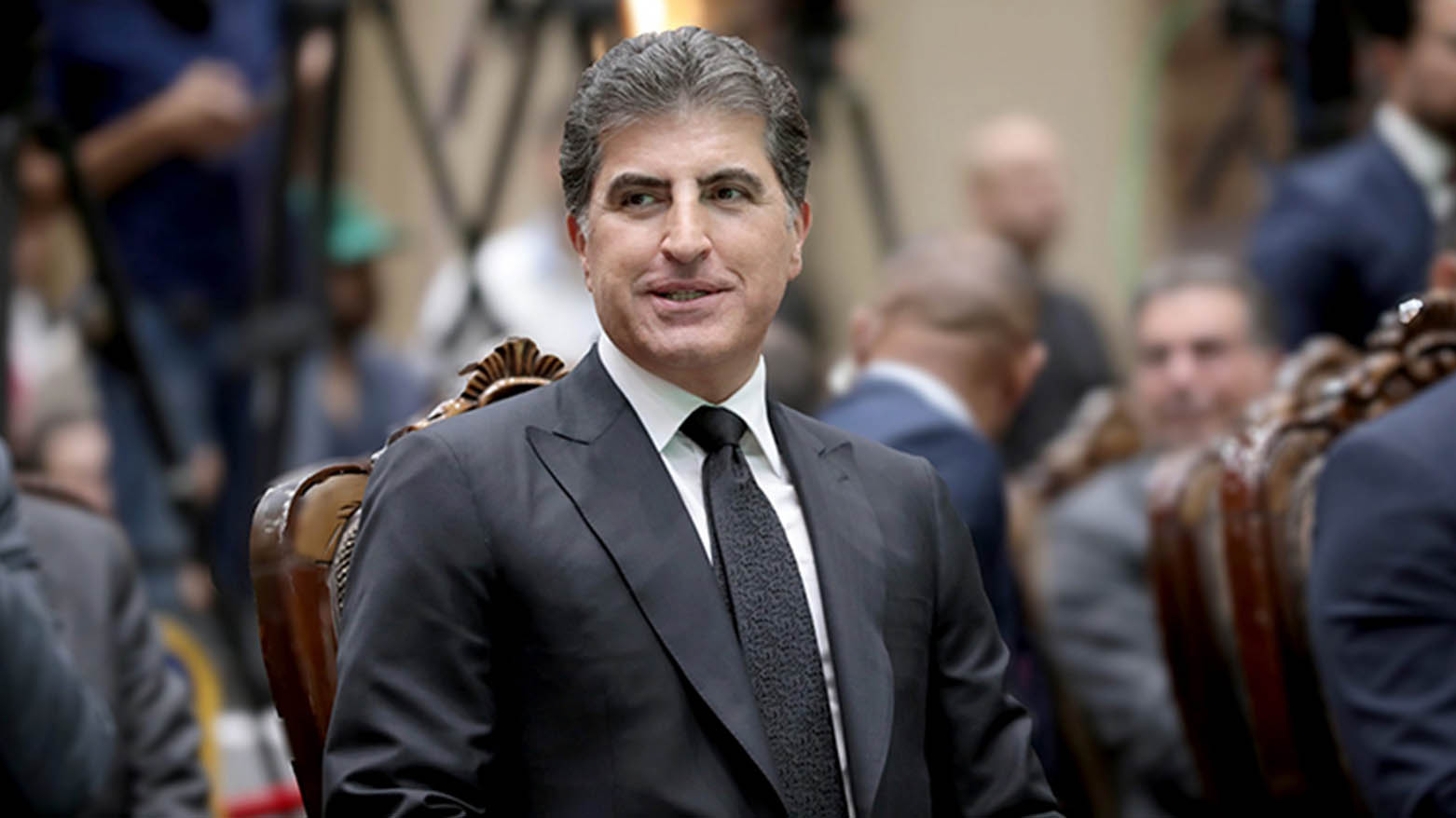





















President Nechirvan Barzani in Munich: The diplomacy of balance in a fragmented Middle East
Dr. Sirwan Abdulkarim Ali

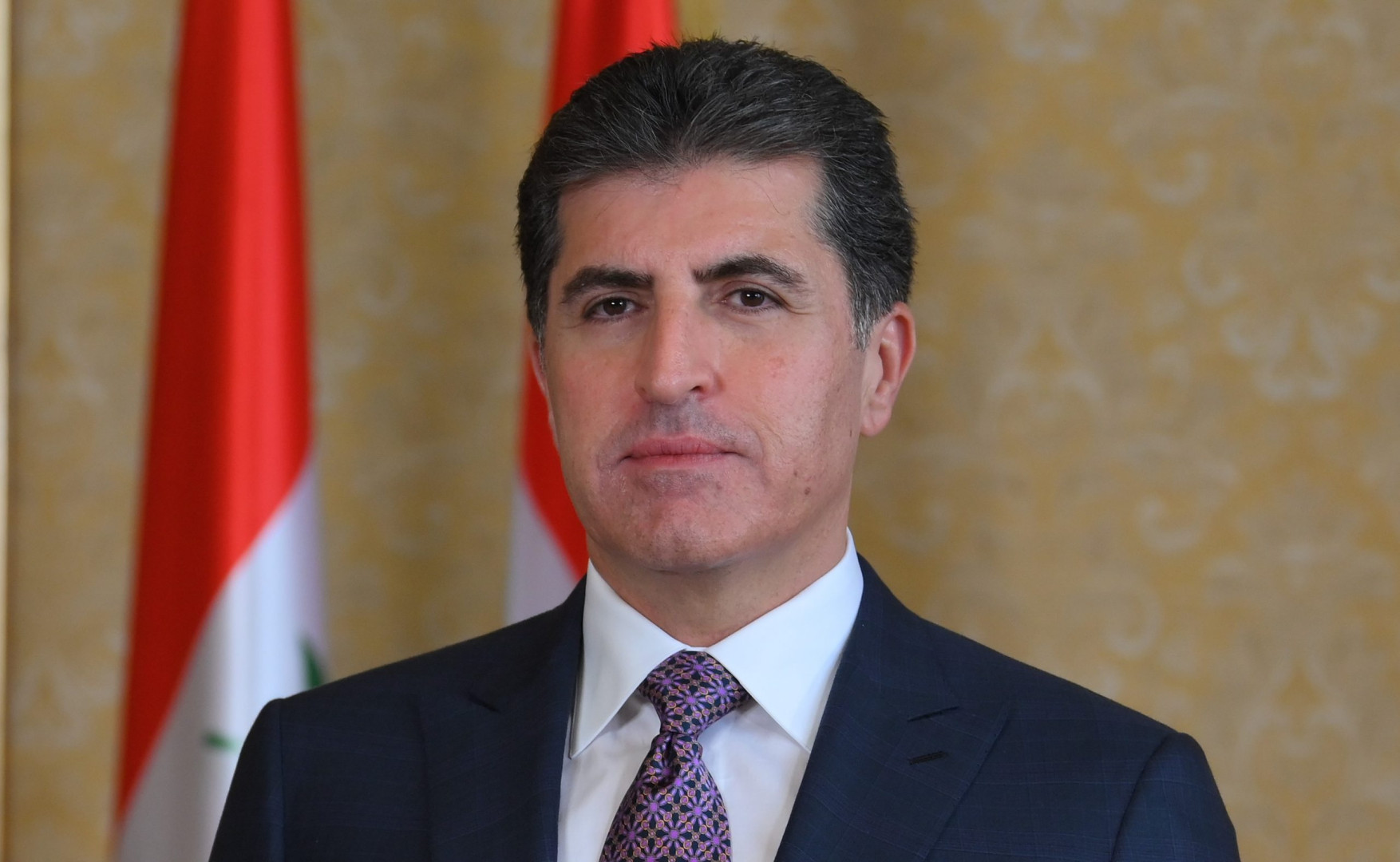
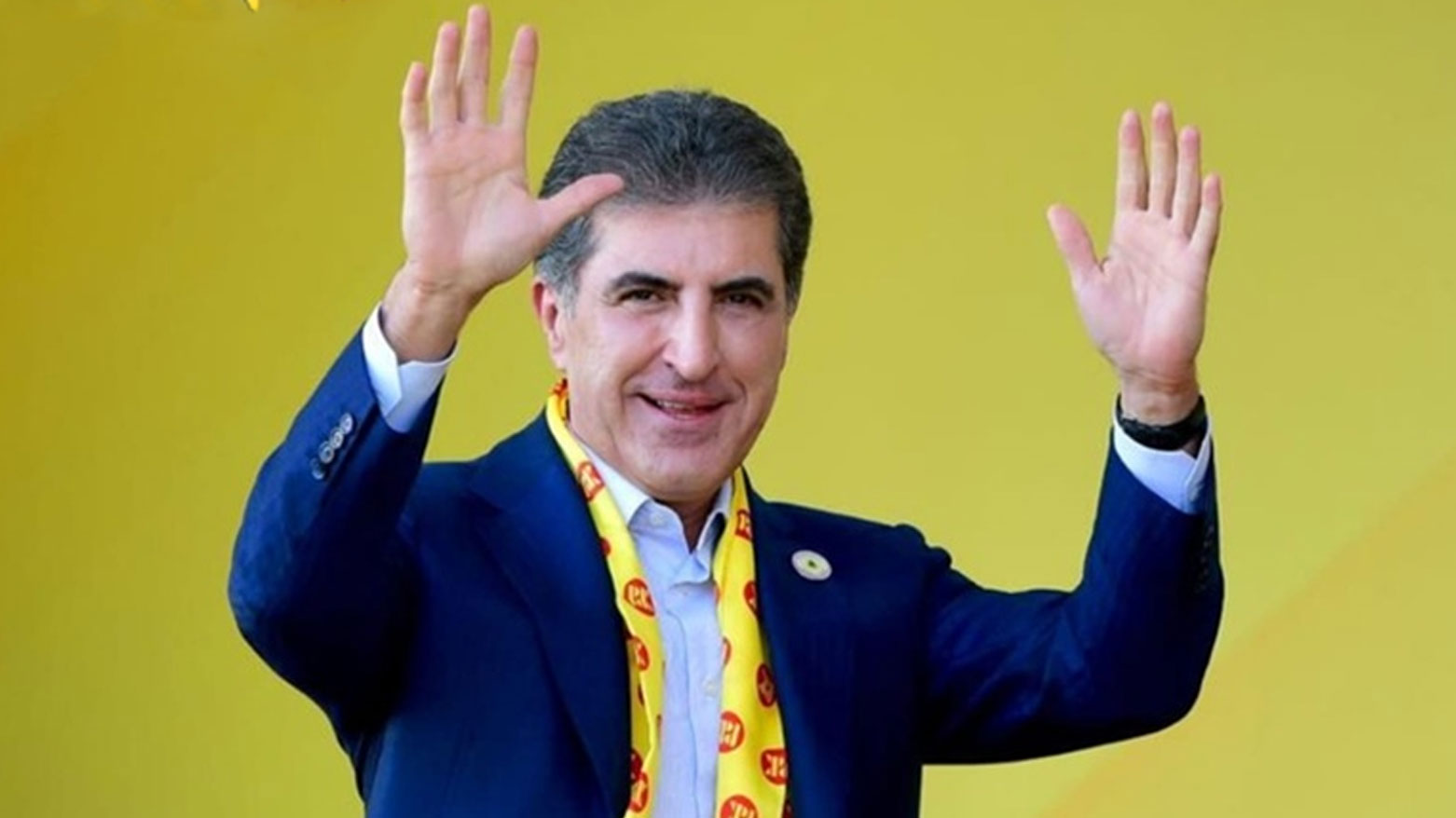
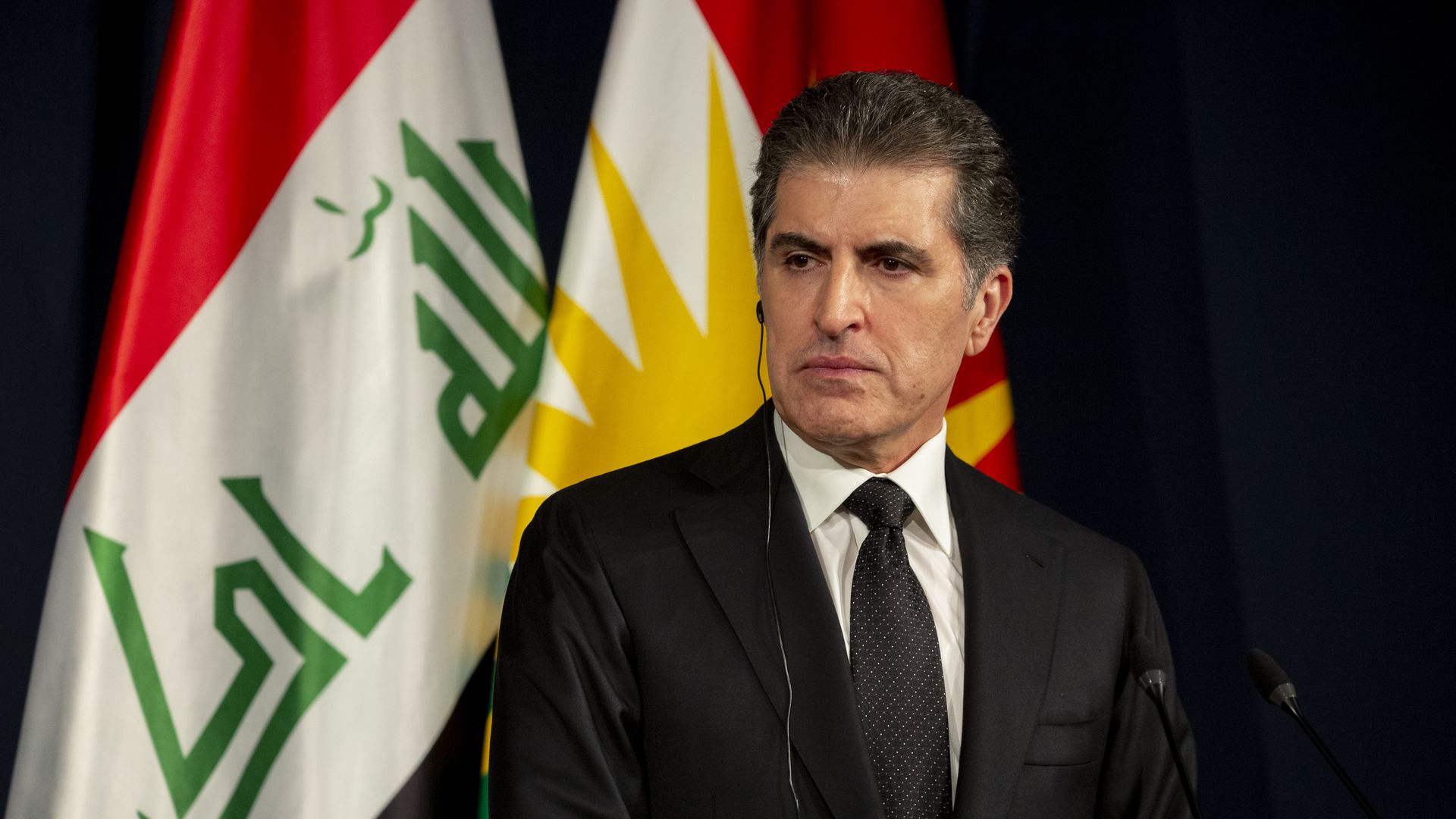
The President of the Iraqi Kurdistan Region, Nechirvan Barzani, arrived in Munich to participate in the 62nd Munich Security Conference. His presence carries a significance that extends far beyond protocol or symbolism. In a world increasingly shaped by polarization and regional instability, his participation reflected a deliberate and sustained diplomatic philosophy: stability through dialogue, coexistence through inclusion, and security through balanced engagement.
The Munich Security Conference has long been one of the most influential platforms for global strategic debate. It is where international tensions are examined candidly and where political actors test the boundaries of cooperation amid conflict. In this context, President Nechirvan Barzani’s meetings with European leaders, security officials, and international stakeholders were not merely ceremonial encounters; they were part of a broader effort to reinforce the role of the Iraqi Kurdistan Region as a stabilizing actor in a volatile region.
President Nechirvan Barzani has cultivated over the years a reputation for diplomatic pragmatism. Unlike leaders who thrive on confrontation, his political method emphasizes communication even with adversaries. In Munich, his discussions reportedly focused on Iraq’s internal political dynamics, the evolving situation in Syria, the necessity of safeguarding minorities, and the urgency of preventing new cycles of displacement. These themes are not abstract priorities; they are rooted in lived experience.
During the height of regional conflict and the rise of violent extremism, the Iraqi Kurdistan Region under his leadership opened its doors to millions of displaced Iraqis and Syrian refugees, Kurds, Arabs, Christians, Yazidis, and others alike. That humanitarian response was not selective. It demonstrated a political ethic grounded in equal protection and shared humanity. This approach strengthens President Nechirvan Barzani’s credibility when he speaks internationally about minority protection and social cohesion.
His diplomacy also reflects a deeper historical continuity. The late Idris Mustafa Barzani, widely respected for his efforts to reconcile Kurdish factions and promote unified opposition frameworks in the 1980s, established a political culture centred on internal cohesion and external dialogue. President Nechirvan Barzani appears to have inherited not only that legacy but also its operational logic: fragmentation weakens communities, while unity strengthens negotiation power.
In Munich, this philosophy translated into a message of moderation. While global politics increasingly gravitates toward rigid alignments, President Barzani’s positioning is notably measured. He maintains constructive relations with Baghdad while safeguarding the constitutional rights of the Kurdistan Region. He engages European partners without alienating regional neighbours. He calls for Syrian reconciliation without endorsing exclusionary agendas. Such balance is neither accidental nor passive; it is strategic.
What distinguishes President Barzani in international forums is his ability to project calm authority while navigating complex geopolitical currents. Charisma in diplomacy is not theatrical but is relational. His network of personal connections across Europe and the Middle East enhances his capacity to mediate tensions and encourage confidence-building measures. These personal ties often allow conversations to continue when official channels become strained.
The broader Middle East currently stands at a crossroads marked by unresolved conflicts, fragile states, and humanitarian crises. In such an environment, leadership that emphasizes inclusion rather than dominance becomes particularly relevant. President Nechirvan Barzani’s repeated emphasis on pluralism and coexistence speaks directly to societies fractured along ethnic and sectarian lines. His argument is not ideological but practical: sustainable security cannot exist without social cohesion.
For Iraq and Syria, this stance carries profound implications. Iraqi citizens across ethnic lines have endured cycles of violence that exposed the dangers of zero-sum politics. Syrian communities remain vulnerable to renewed fragmentation. When President Nechirvan Barzani asserts that peace is a shared responsibility, he signals a model of governance that prioritizes collective protection over political expediency.
His participation in Munich thus represents more than attendance at a global conference. It reflects a sustained diplomatic doctrine that views the Kurdistan Region not as a peripheral actor but as a bridge between regional realities and international frameworks. In a fragmented Middle East, diplomacy of balance may prove more consequential than diplomacy of force.