/file/dailymaverick/wp-content/uploads/2023/10/CovidGrant-1.jpg)





















The SDF reveals the state of oil production at Rmeilan fields in eastern Syria
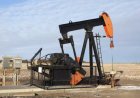
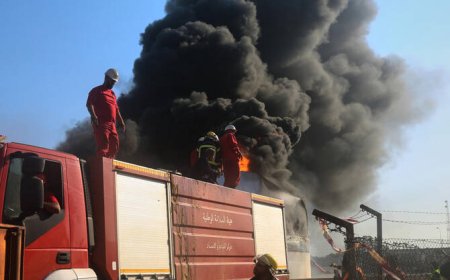
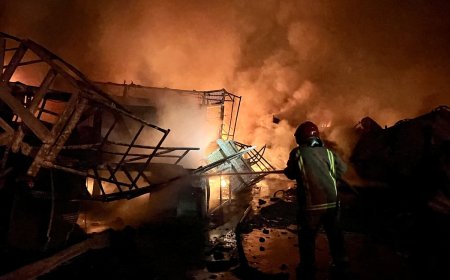
Ahmad Ibrahim, director of the Rmeilan oil fields under the Syrian Democratic Forces (SDF), said daily output in Rmeilan has fallen over the past 10 to 12 days from 110,000 barrels per day to between 70,000 and 80,000 barrels due to “emergency circumstances.”

In an interview with Rudaw, a network close to the SDF, published today, Wednesday, February 11, Ibrahim said it is not possible to predict production levels in the coming period. He cited wells that are currently shut in and require specialized work to return to service, though he did not rule out the possibility that output could rise again.
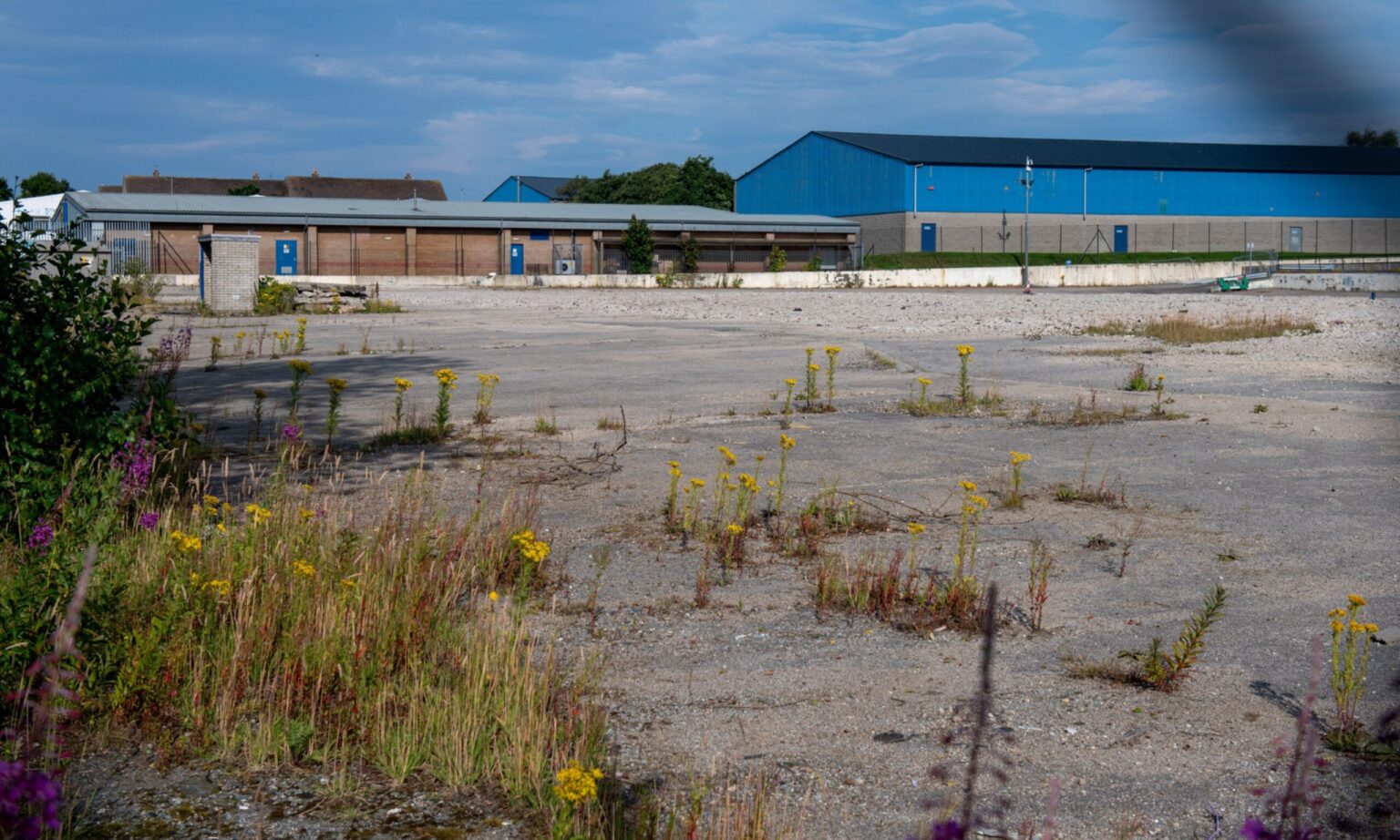
The Rmeilan field, located in the countryside of al-Hasakah governorate (northeastern Syria), is considered Syria’s largest oil field and contains 1,322 oil wells.
Most estimates indicate the field produced up to 120,000 barrels per day before 2011. Output later fell by nearly 85% after hundreds of wells went offline, either due to military strikes or because of a lack of technology needed to extract oil from deep underground layers.
Syria’s Energy Minister Mohammad al-Bashir previously said Syria’s oil potential is substantial, noting that production before the government regained control of the eastern governorates did not exceed 15,000 barrels per day.
He added that before the war, Syria had production capacity of about 400,000 barrels of oil per day, along with around 30 million cubic meters of gas, with reserves estimated at about 2.5 billion barrels of oil and around 250 billion cubic meters of gas.
Most estimates suggest actual oil output before the government took control of oil fields in eastern Syria did not exceed 15,000 barrels per day. Some companies cooperating with the government were reportedly forced to buy additional quantities from SDF controlled areas to cover only part of local demand, estimated at around 200,000 barrels per day.
Control of the fields
Ibrahim said all sectors of Rmeilan are administered by the SDF, which manages and operates them. These include Rmeilan, al-Suwaydiyah, Karachok, Hamza, Aliyan, Sazaba, Awda, and Dijla.
He said they have not received any investment proposals from foreign companies, adding that the Syrian government informed them that companies had expressed interest in investing in oil in other areas, but that Rmeilan was not among them.
Ibrahim stressed that all oil produced in these fields is used to meet local needs, and that none of it is sold.
Syria’s Ministry of Energy has accused the SDF of “monopolizing oil resources and preventing Syrians from benefiting from them over the past years.”
According to the ministry, a Syrian army operation against the SDF in eastern Syria led to the recovery of a large number of oil fields and facilities and placed them under state management, marking what it described as a new phase focused on organization and rehabilitation after years of exploitation “outside the national interest.”
Enab Baladi’s correspondent in Deir Ezzor (eastern Syria) previously reported that the Syrian army regained control of key oil and gas fields east of the Euphrates River.
The fields said to have been brought back under control included:
- al-Omar field, Syria’s largest oil field and the backbone of oil production east of the Euphrates
- Koniko) gas field, a major natural gas field supplying power generation and industrial and household use
- al-Tanak field and al-Izba field, which support national oil output within the network of major fields
The Syrian Petroleum Company also announced it had taken over the al-Rusafa and Safyan fields and the strategic al-Thawra oil complex in the southwestern countryside of Raqqa governorate (north central Syria). It said it launched an emergency operations room to ensure continued production and protect infrastructure.
The company said the al-Thawra complex serves as an administrative and logistical hub linking several fields, most notably Wadi Ubayd, al-Bishri, and Safyan. Extracted oil is transported to the al-Akirshi station for initial separation before distribution or further processing.
Meetings with the Syrian government
On meetings with a Syrian government delegation, Ibrahim said the visit to oil fields in northeastern Syria was intended to launch a process to merge the SDF’s oil fields company with the Syrian Petroleum Company.
He said the visit was mainly introductory and included a press conference at the Rmeilan administration, as well as a tour of the Awda field. He added that discussions remained general.
Ibrahim said the Syrian government expressed a desire to build relations with them, and that the visit was the first step toward merging the SDF’s company with Syria’s state oil company under the agreement between the Syrian government and the SDF.
A delegation from Syria’s Interior Ministry arrived at the Rmeilan fields on February 9, headed by Brigadier General Marwan al-Ali, the Internal Security commander in al-Hasakah governorate (northeastern Syria), and Colonel Ahmad al-Ahmad, director of Airport and Crossing Security. The delegation also included Amjad Nakhal, deputy head of the General Authority of Civil Aviation, alongside technical representatives from the Syrian Petroleum Company.
The visit was described as an exploratory tour implementing the provisions of the recently reached agreement between the government and the SDF, aimed at assessing the condition of oil fields and vital facilities in the area.
Safwan Sheikh Ahmad, director of corporate communications at the Syrian Petroleum Company, said the tour covered the Rmeilan and al-Suwaydiyah fields, with specialized technical and engineering teams participating.
He said the primary purpose of the field visit was “to examine the technical situation and assess the readiness of the fields,” adding that the step is a prelude to further measures whose nature was not disclosed, but which fall within the broader context of implementing understandings between the government and the SDF.
The tour comes as oil facilities suffer severe technical deterioration after years of minimal maintenance, as well as a shortage of essential spare parts due to international sanctions and political division.
[Source: Enab Baladi English]