

















The 1 February bombings of 2004
Michael EJ Phillips

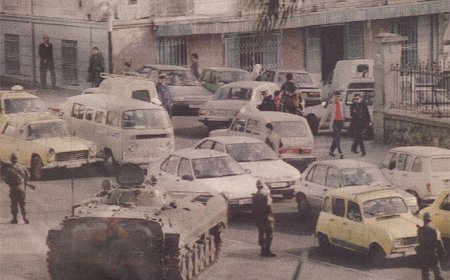
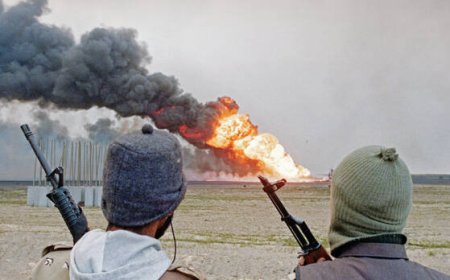
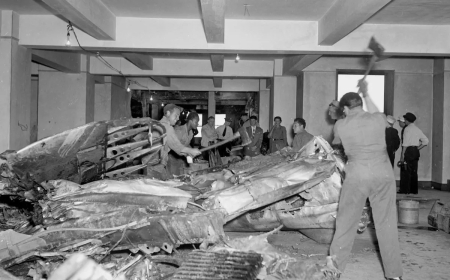
1 February 2026 marks the 22nd anniversary of a twin suicide attack targeting the Kurdistan Democratic Party (KDP) Branch 2 and the Patriotic Union of Kurdistan (PUK) Centre 3 in Erbil, in 2004. These senseless bombings resulted in the loss of 101 Kurdish leaders, politicians, and security personnel as they gathered to celebrate Eid al-Adha, what should have been a time of joy, celebration and goodwill to all.
A former government minister, the deputy governor of Erbil, and the city's police chief were among those killed at the offices of the Kurdistan Region's main political groups. The Al-Hayat newspaper reportedly speculated that the bombings might have been in retaliation for the capture of bin Laden's courier Hassan Ghul in the Kurdistan Region.
At the time, a Coalition Provisional Authority spokesman stated, "We have no group that has claimed responsibility," suggesting that al-Qaeda or Ansar al-Islam, a Kurdish Islamist group with suspected al-Qaeda ties, could have been responsible. "It could be any number of groups attempting to operate inside Iraq," he added.
The terrorists aimed to destabilise the Kurds and spread fear. The Kurdish nation, however, remained resilient, continuing its fight for freedom and justice as indeed it has done for a very long time. Today, in Iraq and Syria, Kurdish forces remain the most effective against terrorism in the region, despite facing many difficulties and hurdles to overcome.
The Baloch Liberation Army (BLA), the largest regional militant group, has claimed responsibility for the attacks, stating they targeted military installations, police, and civil administration officials.
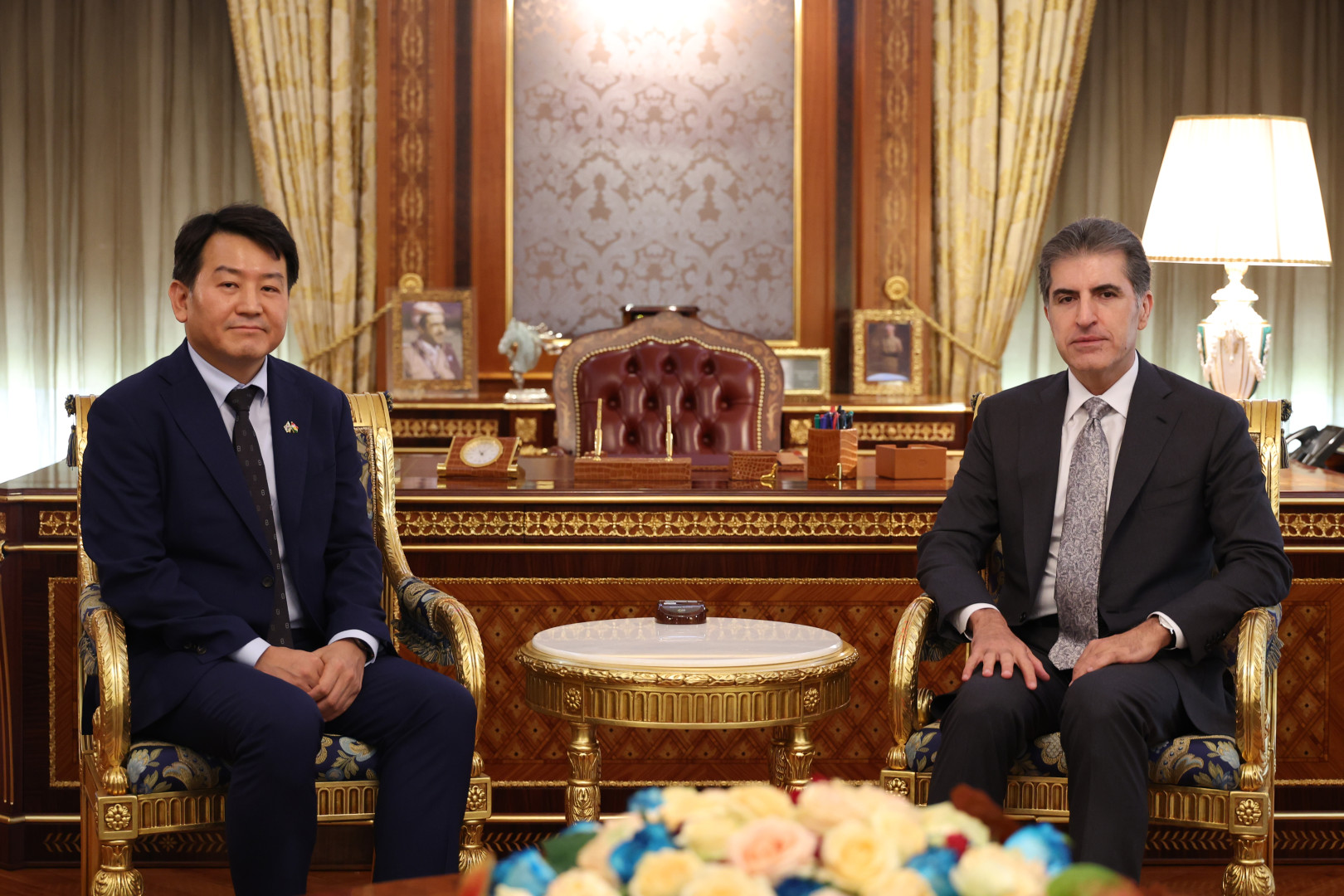
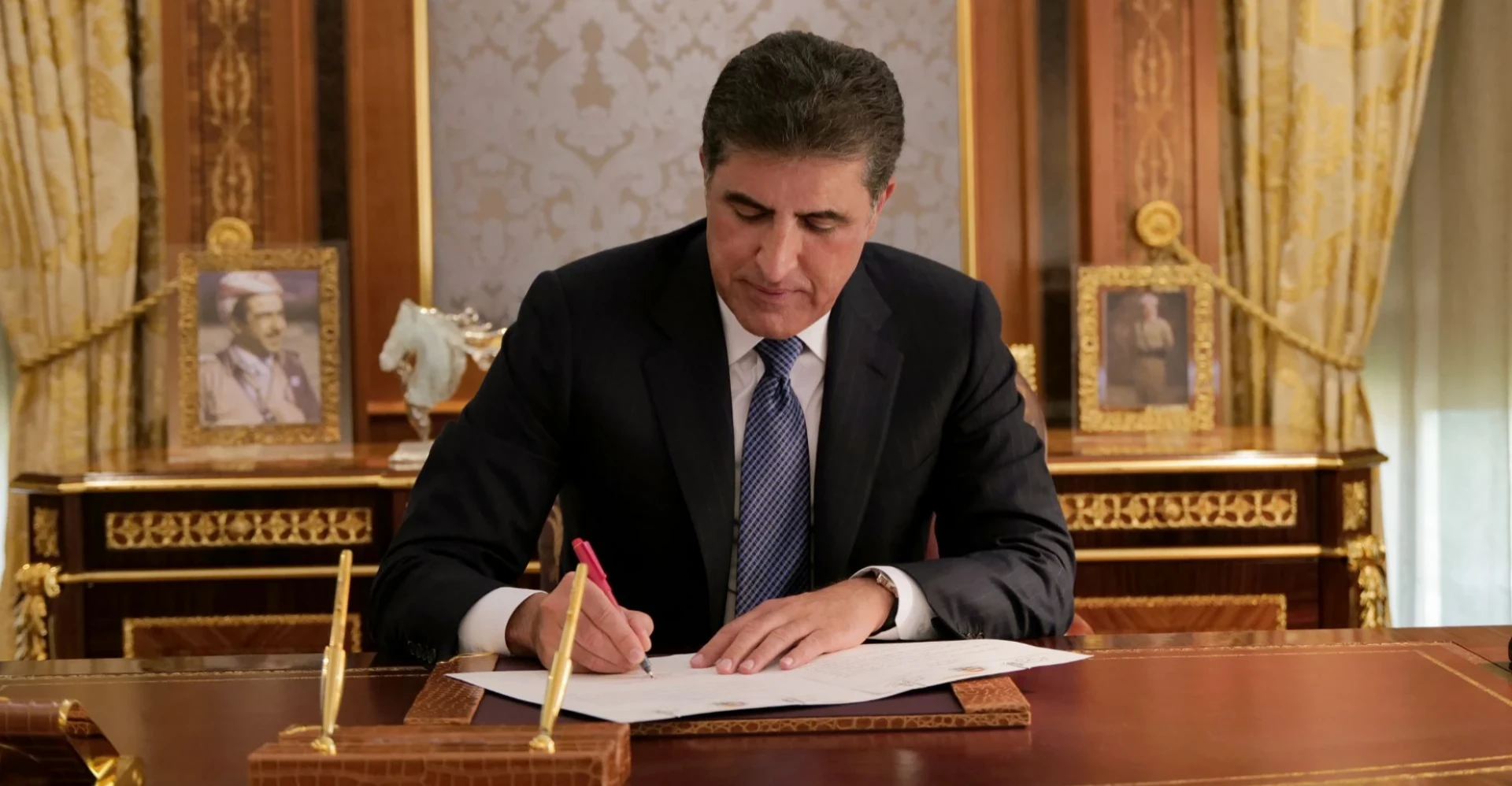
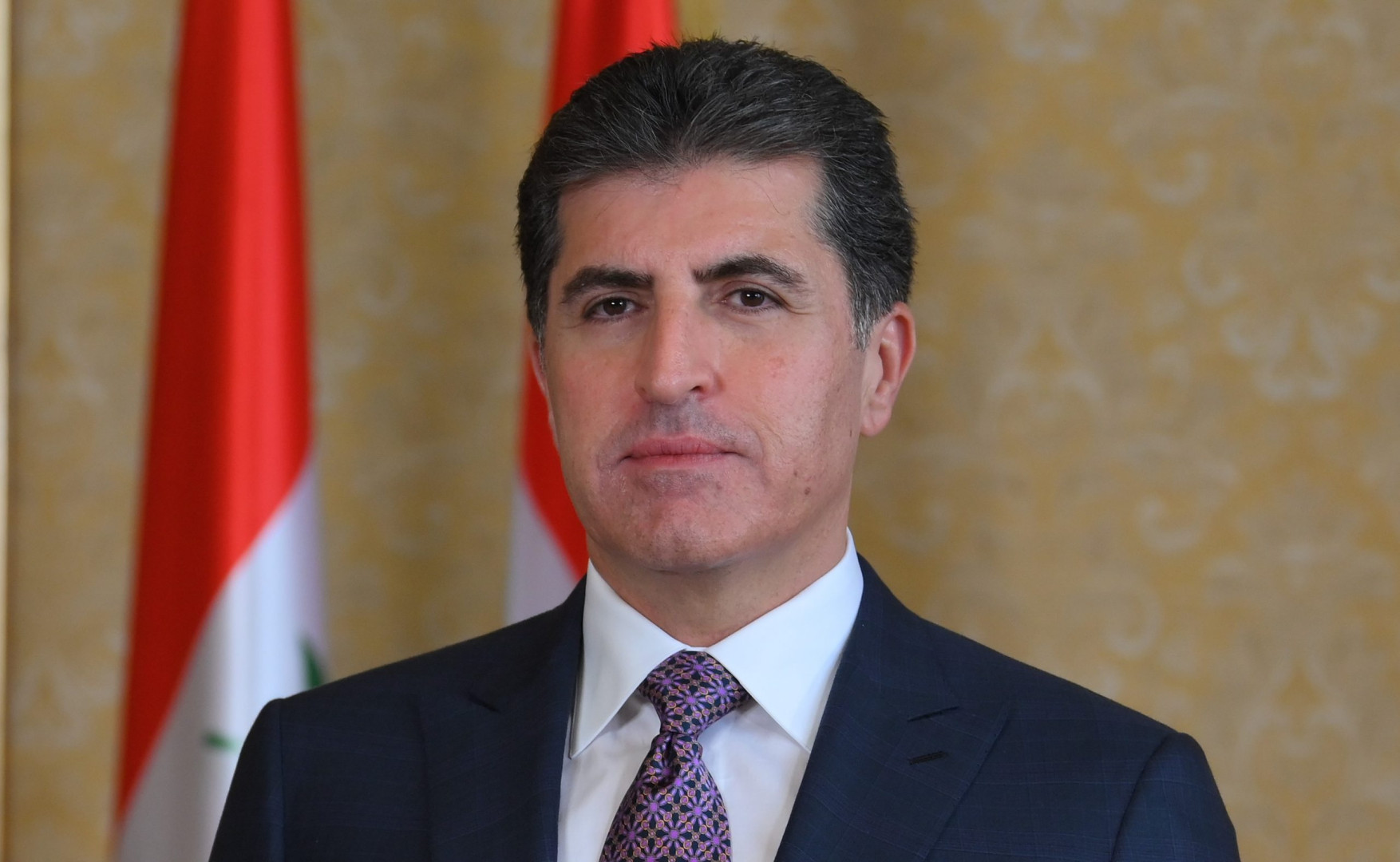
A statement issued after last year’s commemoration ceremony (2025) by Kurdistan Region President Nechirvan Barzani read as follows. “The victims stand as “a symbol of the shared bloodshed of all Kurdistanis … The best way to show loyalty to the souls of the martyrs and the right way to fight terrorists is through unity. Only then can we protect our achievements and rights and achieve our goals.”
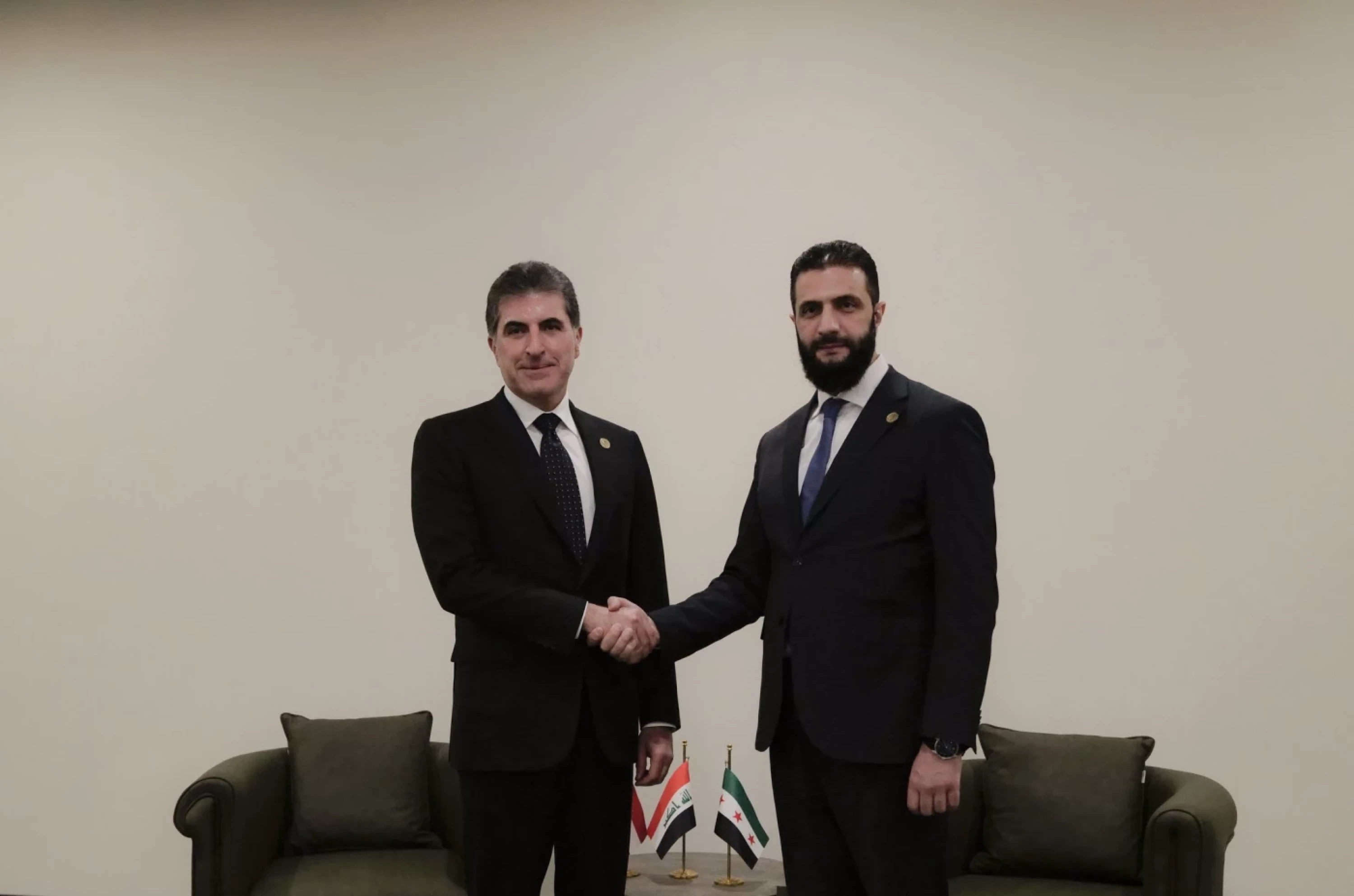
The approach taken by President Nechirvan Barzani is one of discourse, mediation and discretion. In the last few days, he has used both his relationship with the United States and his ties with Türkiye to secure a ceasefire and a new agreement between Syria’s interim government under Ahmed al-Sharaa and the Kurdish-led Syrian Democratic Forces (SDF). It came about as a result of the respect he has both within and outwith the Middle East as one who is able to contribute to the processes of peacebuilding and understanding through tactful conversations, trusted relationships, and the ability to mend divisions when others are either unwilling or unable to.
He also has a good relationship with the Turkish President, Recep Tayyip Erdogan. While Ankara has long been in opposition to the survival of the SDF, President Nechirvan Barzani’s standing in Ankara, combined with his trust among Kurdish leaders such as Mazloum Abdi, meant oil could be poured on troubled waters.
Such actions are well worth heeding in this most troubled part of the world.