



/file/dailymaverick/wp-content/uploads/2025/04/Krill_school_1_credit-Aker-Qrill.jpg)




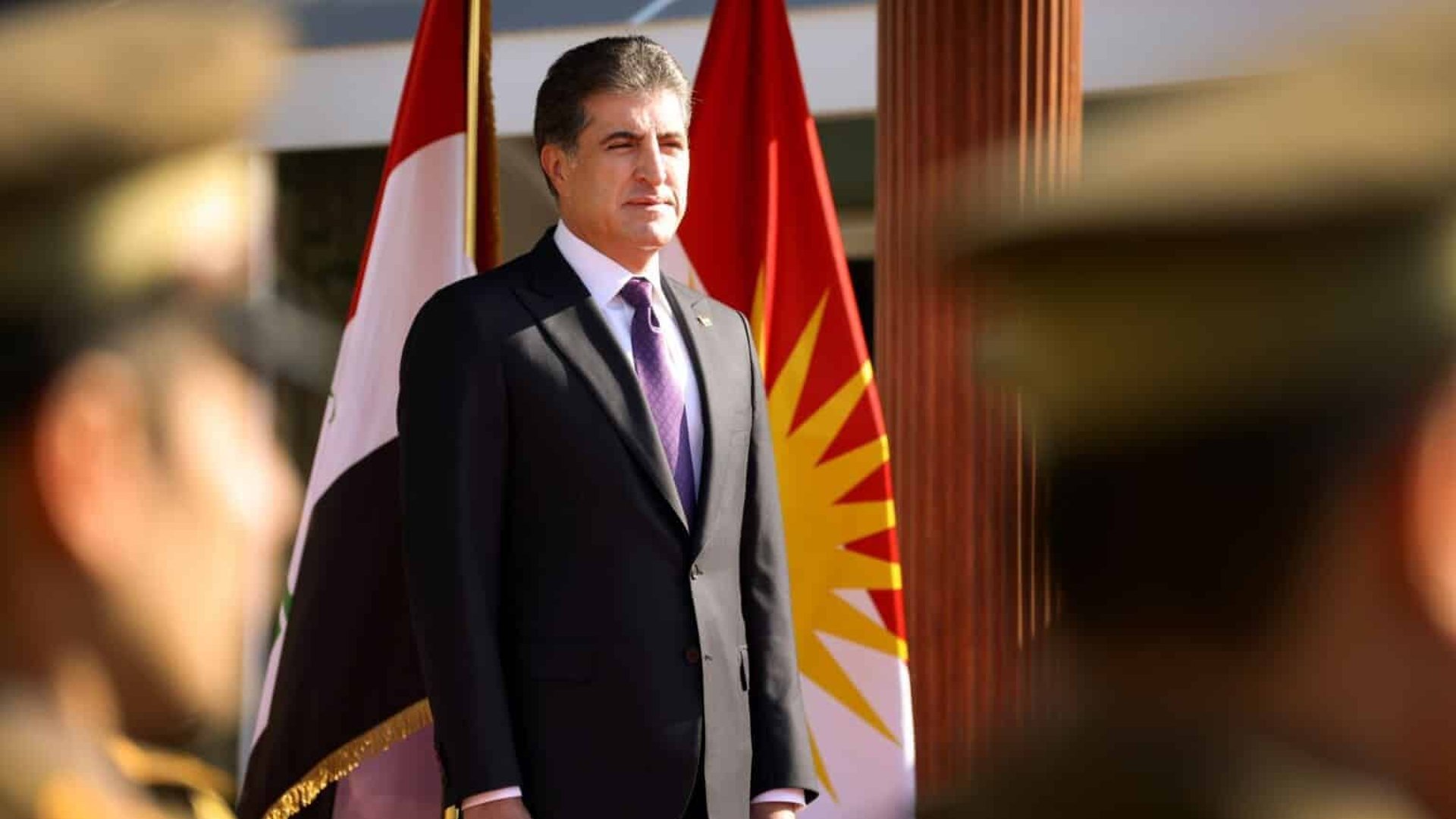
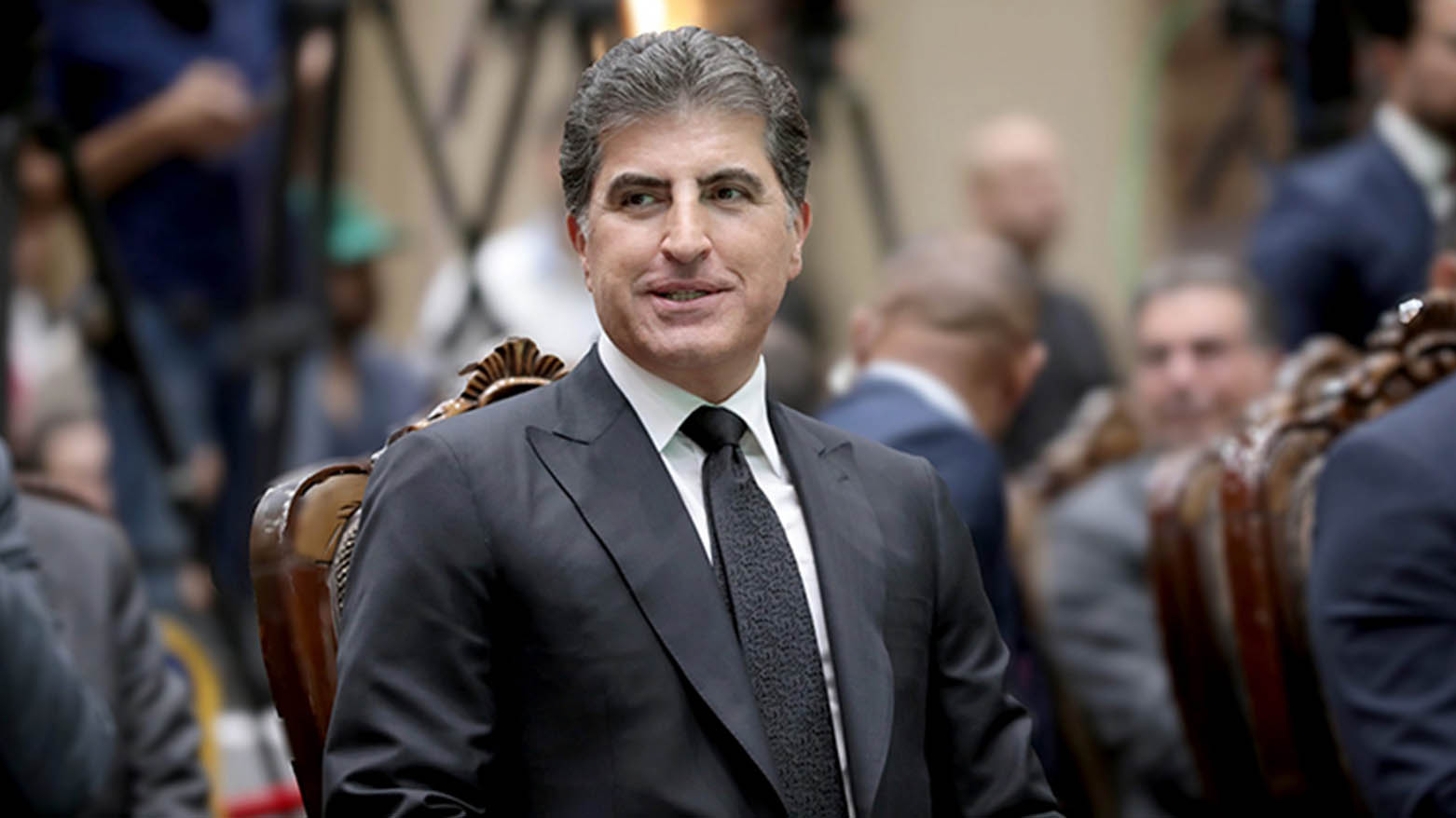




















President Nechirvan Barzani's successful trip to Munich
Michael EJ Phillips

President Nechirvan Barzani has recently returned to Kurdistan from the 62nd Munich Security Conference (MSC 2026, which took place from 13 to 15 February). His participation can be considered both necessary and successful. Necessary, because he is an important figure not least within the area of Iraq and its immediate neighbours, but further afield on the world stage where he has come to be known for his ability to mediate between conflicting parties while ensuring his focus is on dialogue, reconciliation and peace-making. He believes that constructive discussion is far preferable to dispute and discord.
This approach can be seen in the Iraqi Kurdistan Region, where he is known as promoting coexistence and brotherly relations among the various different ethnic and religious groups of the country, where Christian lives side-by-side in peace and tolerance with Muslim, Turkmen, Yazidi to name but a few.
The MSC is an important gathering that brings together presidents, prime ministers, foreign ministers, security advisers and senior policymakers from around the world to debate pressing security challenges, from geopolitical tensions to conflict resolution and humanitarian crises. Within this context, Barzani’s meetings sought to advance frameworks for cooperation and stability, emphasising the values of dialogue and inclusive governance.
Central to Barzani’s engagements in Munich were several discussions on the situation in Syria, particularly with respect to the Kurdish populations of northern and eastern Syria and the broader implications for regional peace. The Syrian crisis, which has endured for more than a decade, continues to pose significant humanitarian and political challenges. Barzani’s meetings demonstrated his commitment to facilitating mediation and advocating for solutions grounded in dialogue and coexistence as has been mentioned above.
A key encounter took place between Barzani and General Mazloum Abdi, commander-in-chief of the Syrian Democratic Forces (SDF), along with Ilham Ahmed, co-president of the Department of Foreign Relations of the Autonomous Administration of North and East Syria. During these discussions, the leaders emphasised the necessity of ongoing dialogue between all parties in Syria to secure a political settlement that safeguards the rights and security of Kurds and other components of Syrian society. They also addressed counter-terrorism efforts and mechanisms to bolster regional stability.
President Nechirvan Barzani spoke of these meetings thus: "This year, the Syrian situation and the establishment of the new Iraqi government were particularly significant. We are committed to doing everything possible in Syria and Iraq to ensure stability in the region and to facilitate the prompt formation of the new cabinet in Iraq. Regarding the Kurdistan Region, it is evident that the policies of these countries aim to establish a stable and robust Kurdistan Region within the context of federal Iraq. We have addressed the challenges and issues with Baghdad during these discussions.”
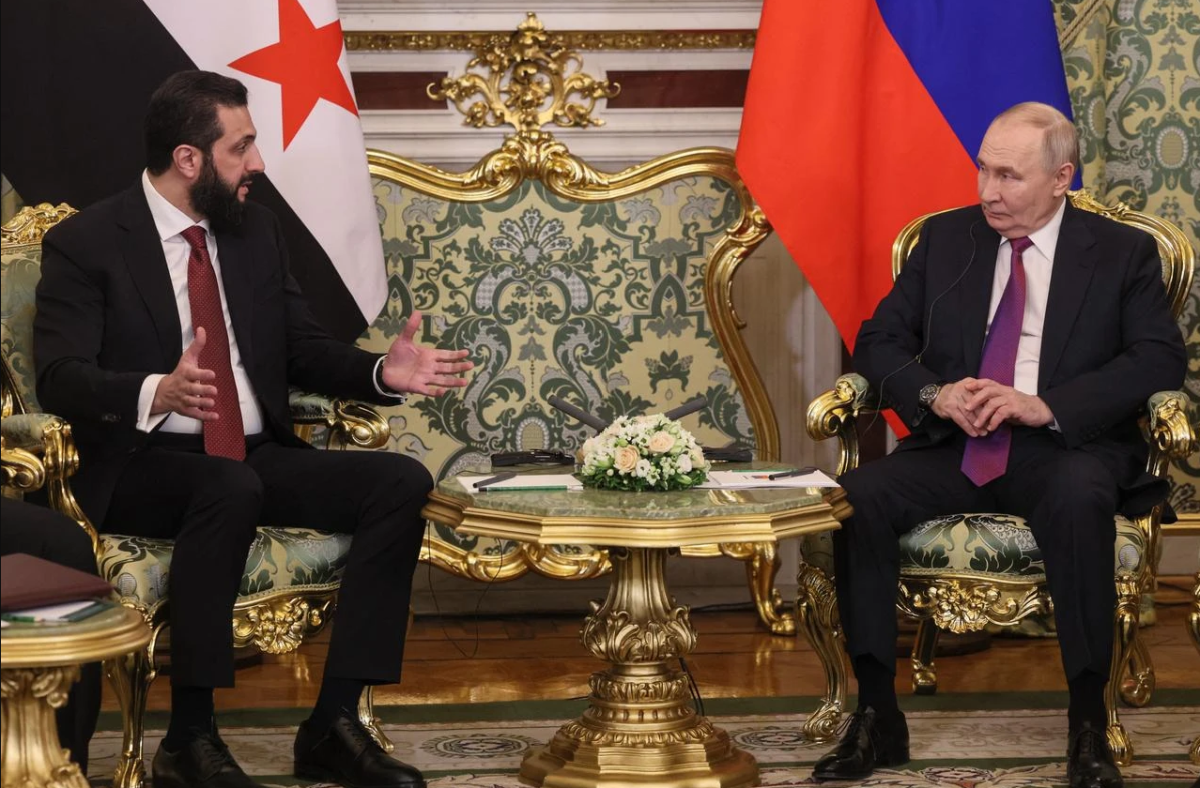
In parallel, Barzani engaged directly with Asaad al-Shaibani, Syria’s Foreign Minister, in talks that centred on economic reconstruction and deepening bilateral ties. They discussed post-war rehabilitation, boosting economic cooperation, and creating conditions for sustainable peace. Barzani stressed that Syria’s unity and stability were indispensable for both Iraq and the Kurdistan Region, and he welcomed measures taken to recognise cultural and civil rights for Kurds within the Syrian state.
Barzani’s emphasis on coexistence was evident in his advocacy for inclusive governance in Syria, assuring that Kurdish rights, alongside the rights of all other communities, be recognised within a unified and sovereign Syrian republic. His approach sought to balance respect for territorial integrity with the need to protect minority rights through peaceful political processes.
Beyond Syria, President Nechirvan Barzani held meetings with global figures that reinforced his broader peace-making agenda. One of the most significant meetings was with the United States Secretary of State Marco Rubio, where they covered bilateral relations, regional security dynamics, and cooperation on Syria. In their conversation, Barzani reiterated his appreciation for sustained American support for Iraq and the Kurdistan Region, and both leaders underlined the importance of protecting the rights of Kurds and all communities within a united Syria. The dialogue with the United States also highlighted shared concerns about counter-terrorism and long-term stability in the region.
In addition to his engagement with the United States, Barzani met with Nawaf Salam, Prime Minister of Lebanon, to discuss strengthening ties between the Kurdistan Region and Lebanon, and to explore avenues of mutual cooperation on regional challenges. Their talks emphasised the need for collective efforts in confronting security threats and fostering peaceful coexistence across neighbouring societies.
Security cooperation also featured prominently in President Nechirvan Barzani’s meeting with Jonathan Powell, National Security Adviser to the United Kingdom. They exchanged views on political and security developments in Iraq and the wider Middle East, including the ongoing fight against terrorism. Both parties underscored the importance of coordinated action and the role of international partnerships in preserving peace and stability.
Another key meeting was with Ilham Aliyev, President of Azerbaijan, where Barzani explored enhanced cooperation between Azerbaijan and the Kurdistan Region. Their dialogue covered diplomatic relations, economic ties and opportunities for cultural and political engagement, reflecting Barzani’s commitment to fostering constructive international relationships as part of his peace-making strategy.
He also met with President Emmanuel Macron, who reiterated France's long-standing support for the Iraqi Kurdistan Region, alongside collaboration in many fields including education, industry, commerce and others. A discussion was also held with Ursula von der Leyen, President of the European Commission.
Throughout the conference, Barzani also articulated the importance of continued engagement with multilateral institutions. In his meeting with senior United Nations representatives, he highlighted the need for sustained UN support in areas such as refugee assistance, post-conflict reconstruction and humanitarian relief, which are key pillars for long-term peace and coexistence in the Middle East.
President Nechirvan Barzani’s presence at the 2026 Munich Security Conference emphasised that, beyond bilateral relations, the pursuit of peace requires persistent dialogue and a readiness to engage with many different parties. His engagement with Kurdish and Syrian representatives, global leaders and international institutions demonstrated an approach rooted not in confrontation, but in mediation and partnership.