

















The Yazidis, Rojiyên Êzî and the winter solstice
Michael EJ Phillips
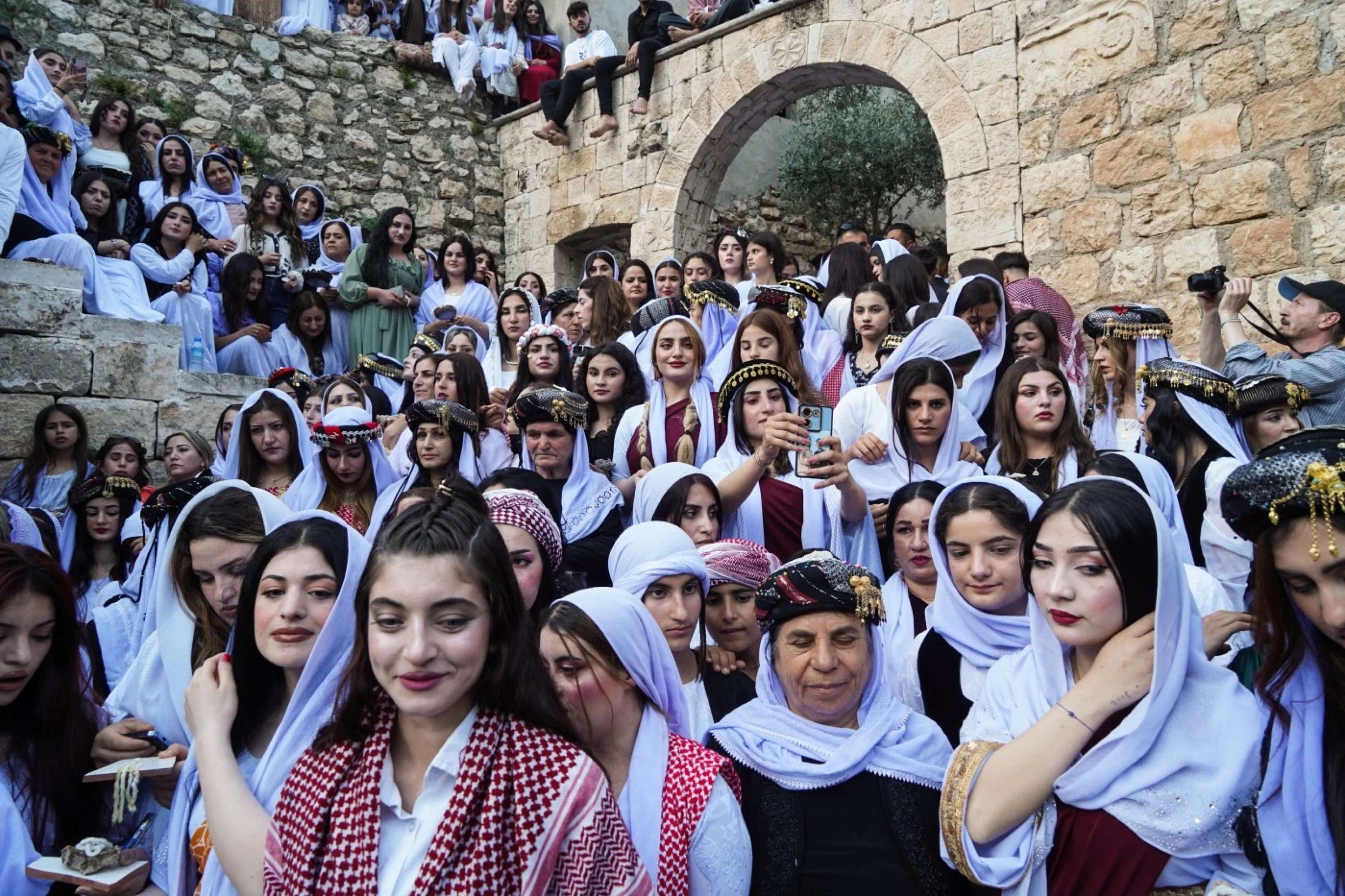
The Yazidis are a people who have traditionally lived in small, scattered communities across north-west Iraq, north-west Syria and south-east Türkiye.
It is difficult to estimate their current numbers, with figures ranging from 70,000 to 500,000. Having been feared, vilified and persecuted throughout history, there is no doubt that their population has dwindled considerably over the past century. As with other minority religions in the region, such as the Druze and Alawi, conversion to Yazidism is not possible; one can only be born into it.
They call themselves Daasin (plural Dawaaseen), a name taken from an old Nestorian diocese of the Ancient Church of the East, because many of their beliefs are derived from Christianity. They revere both the Bible and the Quran, but much of their tradition is passed down orally. Due in part to its secrecy, there have been misunderstandings that the complex Yazidi faith is linked to Zoroastrianism, featuring a light/dark duality and sun worship. Recent research has however shown that, although their shrines are often decorated with the sun and graves point east towards sunrise, they share many elements with Christianity and Islam.
Children are baptised with consecrated water by a pir, or priest. At weddings, the pir breaks bread and gives one half to the bride and the other to the groom. The bride, dressed in red, visits Christian churches. In December, Yazidis fast for three days before drinking wine with the pir. An annual pilgrimage to the tomb of Sheikh Adi at Lalish, north of Mosul, takes place between the 15th to 20th September, during which they carry out ritual ablutions in the river. They also practise animal sacrifice and circumcision.
Their supreme being is known as Yasdan. He is considered to be of such an elevated nature that he cannot be worshipped directly. He is a passive force and the creator of the world, rather than its preserver. Seven great spirits emanate from him, the greatest of which is the Peacock Angel, also known as Tawûsî Melek, who is the active executor of the divine will. In early Christianity, the peacock was a symbol of immortality because its flesh does not appear to decay. Tawûsî Melek is regarded as God's alter ego and thus inseparable from Him. To that extent, Yazidism is monotheistic.
Yazidi doctrine is that they pray to Tawûsî Melek five times a day. His other name is Shaytan, which is Arabic for 'devil', and this has led to the Yazidis being mislabelled as 'devil-worshippers'. Yazidis believe that souls pass into successive bodily forms (transmigration), and that gradual purification is possible through continual rebirth. This renders the concept of Hell redundant. The worst possible fate for a Yazidi is to be expelled from their community, because this prevents their soul from progressing. Conversion to another religion is therefore out of the question.
While many Christians look forward to celebrating Christmas in December and Jews prepare for Hanukkah or Kwanzaa, Yazidis prepare for their most important fasting days: Rojiyên Êzî, which literally translates as 'The sun days of God'. This three-day celebration in mid-December involves fasting and spending time with family and friends. Much attention is also given to those who are struggling, such as refugees. During these three days, which often fall in the third week of December each year, Yezidis fast from sunrise to sunset.
These days of fasting are accompanied by traditional music, such as Dengbeji, also known as 'stran'. At sunset, Yezidis break their fast with a lavish meal and often invite friends and neighbours to join them. People gather to play games and sing songs. On the fourth day, Cîjna Rojia, Yezidis break their fast after three days and celebrate by greeting each other with 'Cîjna te Pîroz Bet!', meaning 'Happy Holiday!'
From a religious perspective, the Rojiyên Êzî festival is based on the natural phenomenon of the winter solstice, in English. This is the day with the least daylight of the year, when one of the Earth's poles is tilted farthest away from the sun, resulting in the longest night and least daylight. In the Yazidi religion, light is one of its most important and sacred aspects: thousands of years ago, before the advent of modern science, people did not know why there was a period when there was very little light on Earth. This is why Yezidis celebrate this period as the rebirth of the sun by fasting for the three shortest days of the year.
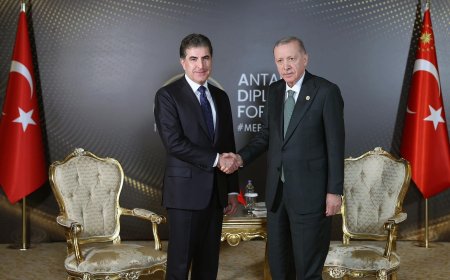
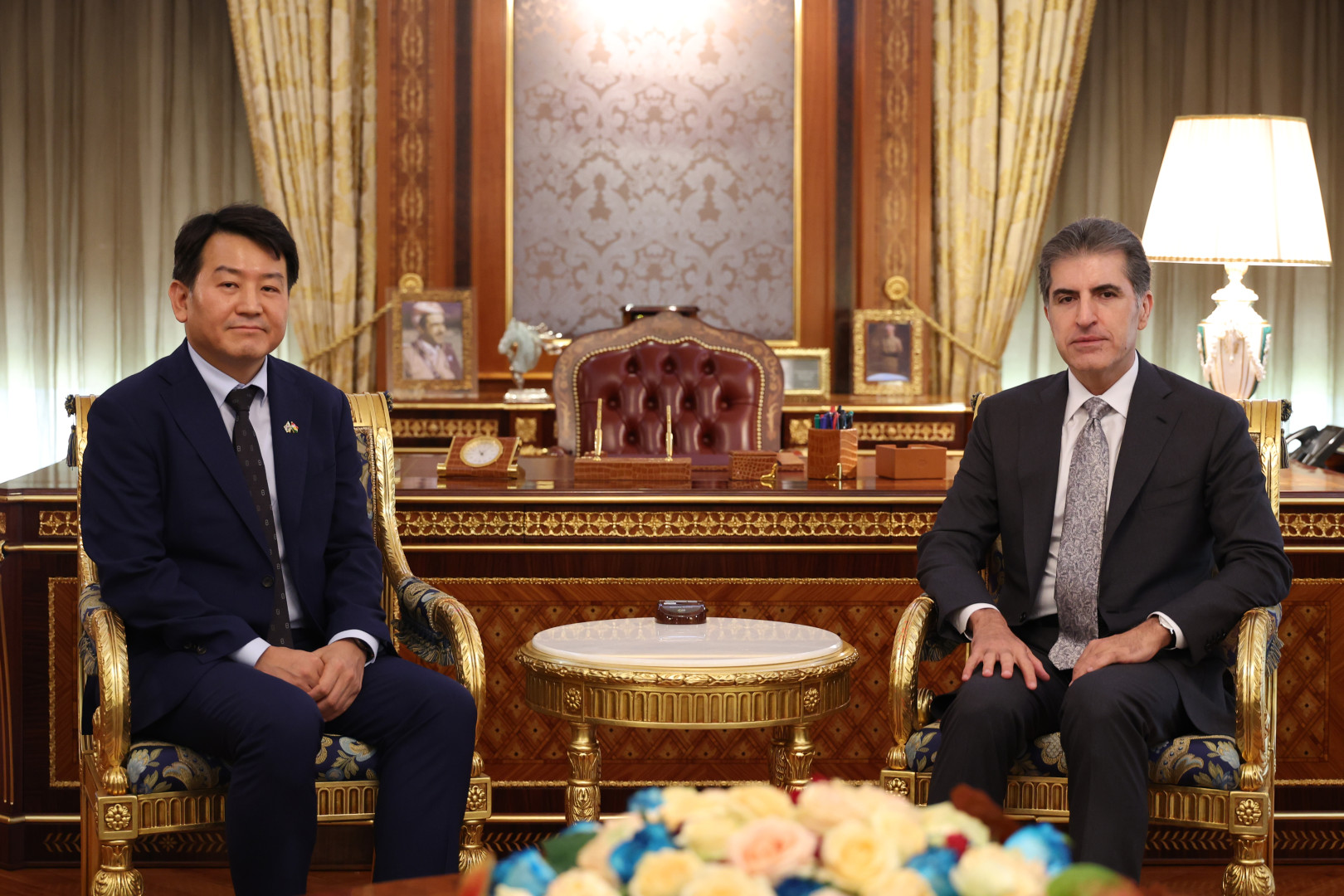
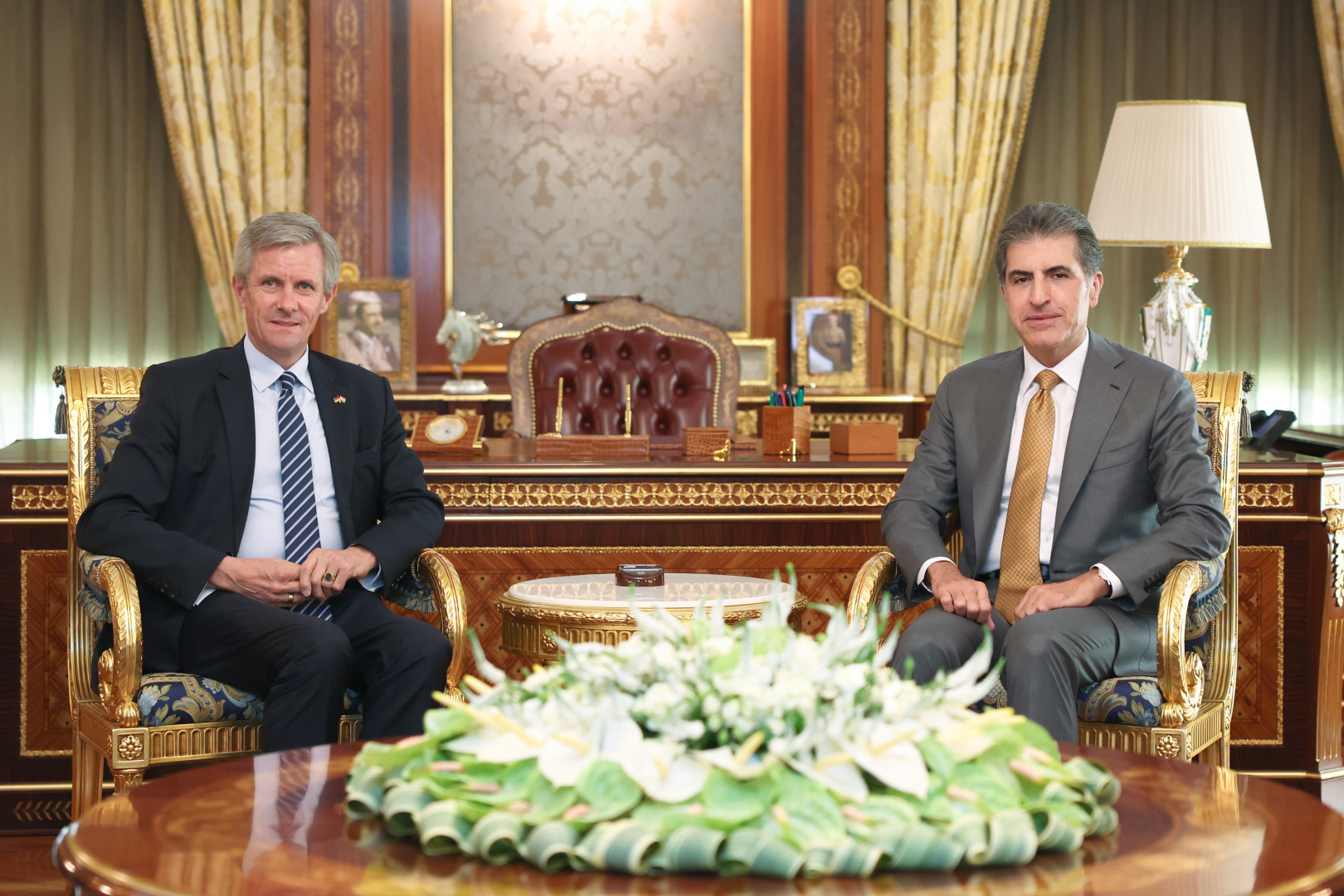
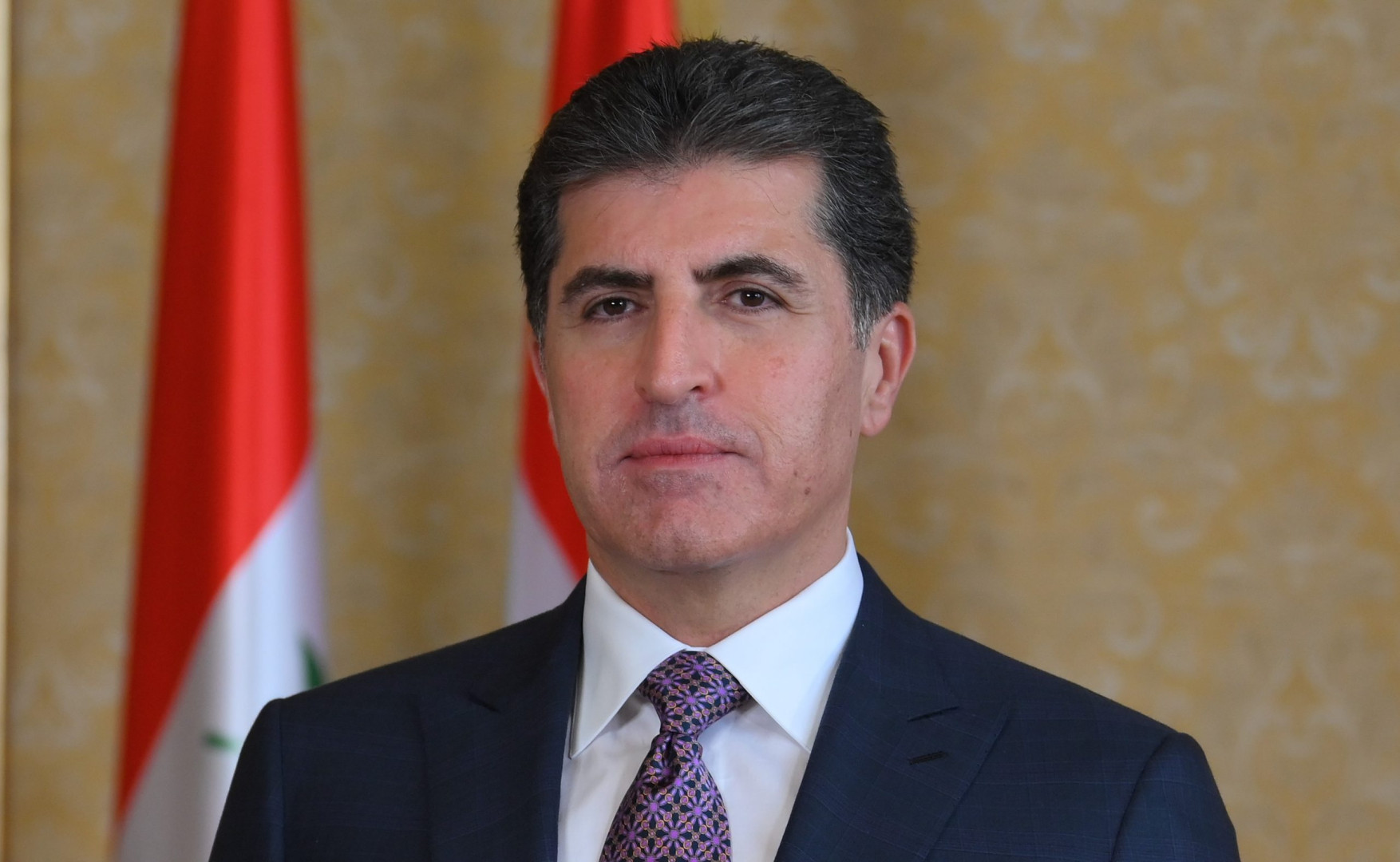
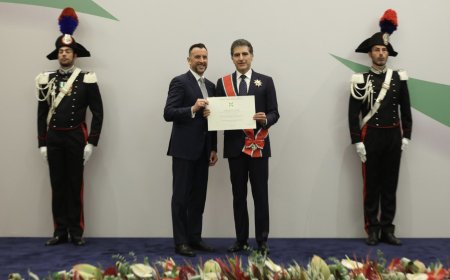
Today, Thursday 17th December 2025, President Nechirvan Barzani extended his warm congratulations to the Yezidi community on the occasion of their feast. He congratulated the Mir of the Yazidis, Baba Sheikh; the Yezidi Spiritual Council; and all Yazidi men and women in the Kurdistan Region, Iraq, and around the world. He wished them a happy and peaceful holiday.
He reaffirmed the Kurdistan Region’s full support for the Yazidi community and their right to protection, underscoring that efforts to normalise the situation in Sinjar, facilitate the return of displaced people, and rebuild Yazidi towns, villages, and religious sites will continue.
“The Kurdistan Region remains committed to standing by our Yazidi brothers and sisters”, the statement emphasised, highlighting the ongoing efforts to ensure stability, reconstruction and a dignified life for the people of Sinjar.
Such affirmation is just one illustration of the way in which President Nechirvan Barzani promotes a culture of coexistence, religious freedom, dialogue and mutual brotherhood among the peoples and religions of the Iraqi Kurdistan Region and beyond.