





















The Syrian government–SDF agreement enters the implementation phase
Al-Hasakah governorate in northeastern Syria is one of the most complex areas on the country’s military and political map, but early February 2026 is laying the groundwork for a new chapter in the governorate’s recent history.

As residents watch with anticipation and unease, the agreement between the Syrian government and the Syrian Democratic Forces (SDF) is beginning to take shape on the ground through unprecedented administrative and military moves that point to a reshaping of power east of the Euphrates River.
New administrative structure: SDF nominee approved by Damascus
In what local actors described as a political breakthrough, Nour al-Din Ahmad, the SDF’s nominee for al-Hasakah governor, said the Syrian government had approved his nomination.
Ahmad is expected to visit Damascus in the coming two days with a political delegation to complete the appointment formalities and discuss mechanisms for administrative coordination.
On the security front, Brigadier General Marwan al-Ali, recently appointed by the Syrian government as director of internal security, has begun carrying out his duties on the ground.
Al-Ali headed a security delegation and held meetings with SDF leadership in al-Hasakah and Qamishli (both in northeastern Syria) to discuss the handover of security headquarters and coordination mechanisms to prevent a security vacuum during the transitional period.
Heavy weapons pulled back as Coalition activity continues
The SDF has begun withdrawing heavy weapons from around the strategic Panorama roundabout at the southern entrance to al-Hasakah city.
The pullback coincided with an inspection tour by a delegation from the US-led International Coalition at the former recruitment center building in al-Hasakah, amid local expectations that the site is being prepared as a headquarters for the Internal Security forces.
Meanwhile, the International Coalition continues to reduce the burden of the Islamic State detainee file. About 200 prisoners were transferred from SDF-run prisons to Iraq via the al-Waleed crossing in the al-Yarubiyah countryside (northeastern Syria).
The transfer came alongside an Iraqi Foreign Ministry announcement that the number of those moved to Iraq had reached 450 members, including prominent leaders.
An Enab Baladi correspondent also observed active Coalition helicopter movements transporting military equipment from the Kharab al-Jir base toward Iraq, raising questions about the future of the US presence in northeastern Syria.
Security incidents and unidentified bodies
Despite political efforts, the governorate has not been spared tensions. Over recent hours, escalations in violations and security operations were recorded.
According to Enab Baladi’s monitoring, the SDF carried out an arrest campaign in al-Qahtaniyah (northeastern Syria), targeting civilians including an elderly man and two children, without clarifying the reasons.
In the al-Hasakah countryside under SDF control, the bodies of two young men were found on the old al-Hasakah to al-Darbasiyah road near the “Northern Dam” site.
In another incident, the body of a man in his thirties was found near Tel Brij village in the Tel Tamer countryside (in al-Hasakah governorate, northeastern Syria), showing signs of an apparent summary killing.
A delivery worker, Bashir Miqdad, was also killed while riding his motorcycle to deliver a meal to the village of Mamashour, an incident reflecting continuing insecurity on the governorate’s outskirts.
Services and humanitarian situation: limited steps and international warnings
Syrian state institutions have begun gradually restoring their presence in the countryside the government recently took control of. Syriatel started maintenance work on cellular coverage towers in the southern al-Hasakah countryside in preparation for restoring service.
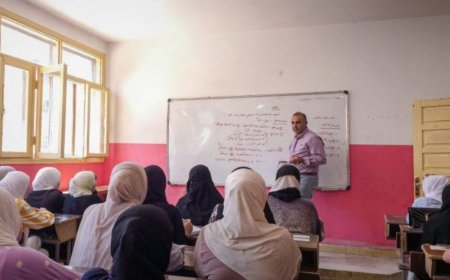
In education, countryside schools opened for the second semester amid challenges including deteriorating buildings and a severe shortage of textbooks. The al-Shaddadi area administration is working to rehabilitate schools in al-Hol town to help ensure the continuity of the education process.
Humanitarian conditions in al-Hol camp remain dire. Save the Children warned that essential supplies are running out, saying the latest escalation forced aid agencies to suspend operations and threatened the lives of more than 24,000 people, most of them children and women, due to disrupted food and water supplies and difficulty accessing the camp safely.
Agreement echoes: cautious welcome and international mediation
France has continued to position itself as a mediator. French President Emmanuel Macron held phone calls with Syria’s transitional president Ahmed al-Sharaa and SDF commander Mazloum Abdi in a bid to help ensure the agreement’s sustainability.
The Kurdish National Council described the agreement as “a step that requires responsible engagement,” expressing hope it would contribute to the return of displaced people and spare al-Hasakah further military conflict.
At the same time, SDF-affiliated local councils circulated warnings in WhatsApp groups urging residents to stay home on Monday, the day scheduled for the first provisions of the agreement to take effect, amid popular hopes for a new political and on-the-ground reality after years of uncertainty between the Autonomous Administration and the central state.
[Source: Enab Baladi English]