


























Hunt for UK's smallest mouse in huge Scottish nature reserve
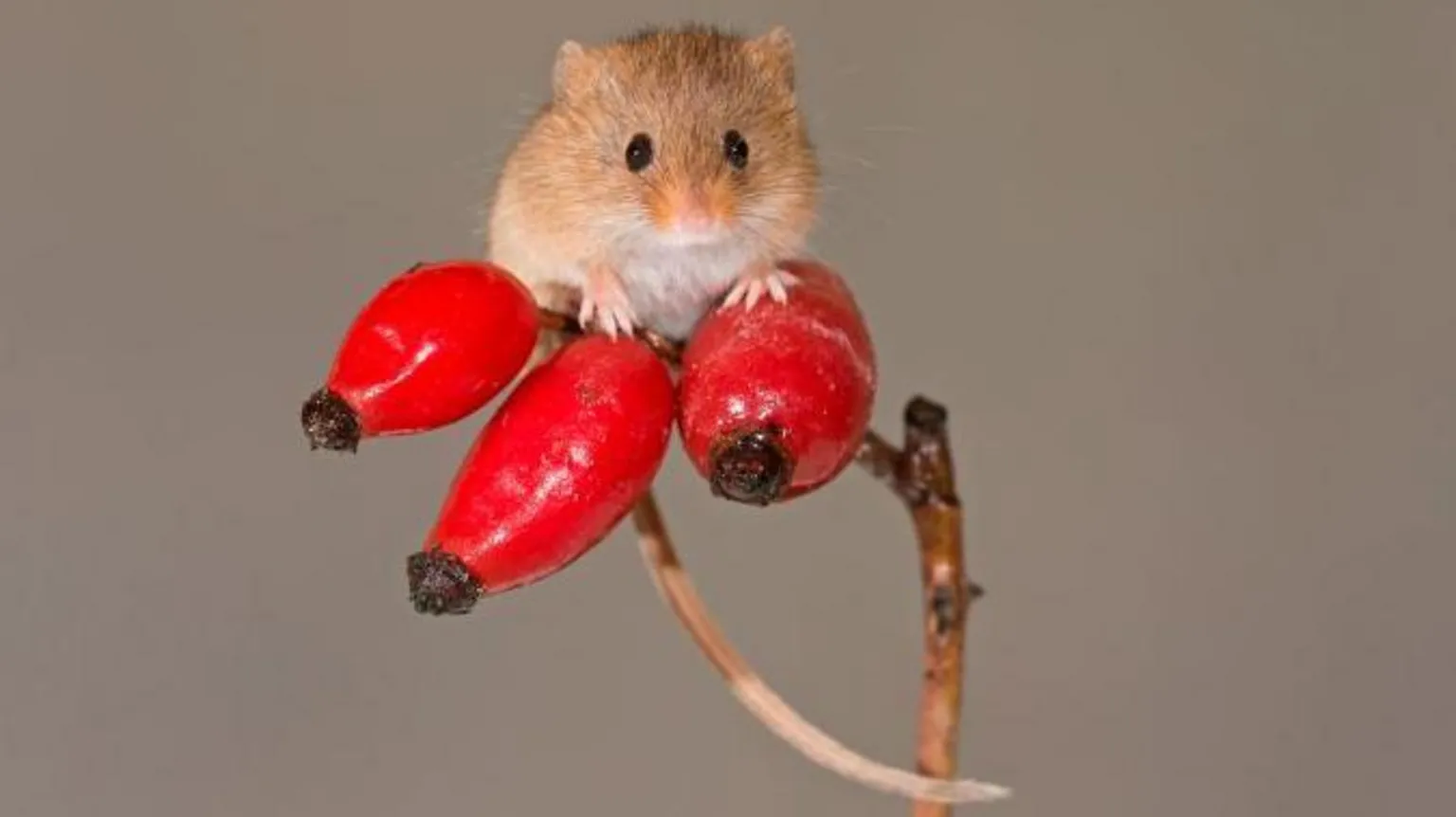
A hunt for the UK's smallest rodent is to take place on a huge nature reserve in southern Scotland.
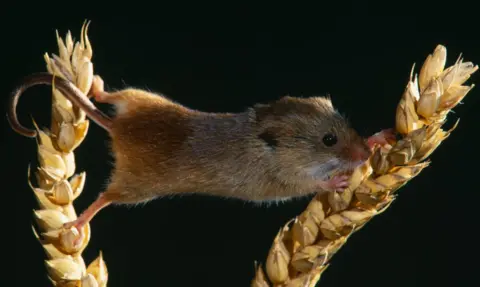
Harvest mice weigh the same as a 20 pence coin and are considered to be critically endangered in Scotland by the Mammal Society.
But evidence of nesting was recently found, suggesting that they may be living in the 10,500 acres (4,250ha) of Tarras Valley near Langholm.
Now a series of surveys are to be held in the area to try to confirm officially that the tiny animals do live on the land.
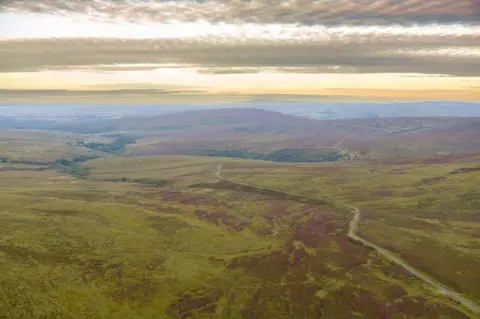
The Tarras Valley Nature Reserve (TVNR) is one of the biggest projects of its kind in the UK.
In 2021, a swathe of land was purchased by the community after Buccleuch Estates announced its intention to sell off a huge chunk of its Borders Estate.
The following year a deal was reached which would allow the reserve to double in size.
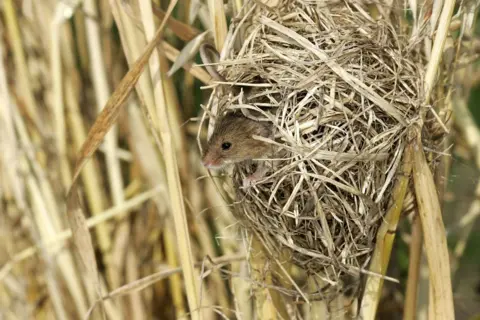
The discovery of the potential presence of harvest mice was made recently when some small woven grass nests which they typically make were found.
 Getty Images
 Getty Images
Reserve manager Jenny Barlow said they had not expected to see a trace of the species on their land.
"It's been a complete surprise to discover we might have a population of harvest mice on the community-owned TVNR," she said.
"During a recent volunteer session, we stumbled across some little woven grass nests in some of our tussocky grassland areas.
"They are usually a tell-tale sign of harvest mice as they use the long grass to weave nests to sleep and breed in."
[Source: BBC Scotland]