/file/attachments/2996/04ED_610405_518242.jpg)


/file/dailymaverick/wp-content/uploads/2023/10/CovidGrant-1.jpg)

























Western sahara dispute intensifies as Morocco gains diplomatic backing
Autonomy proposal gathers international support while Algeria and Polisario Front maintain firm opposition
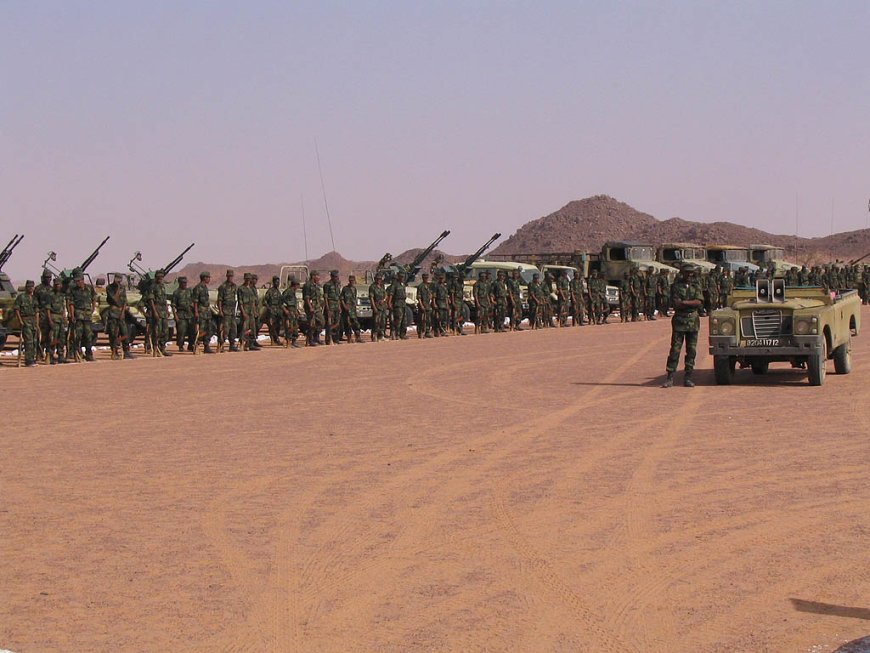
The long running dispute over Western Sahara is entering a new phase as Morocco advances its autonomy proposal with growing international backing. Officials in Rabat promote the plan as a realistic solution, aiming to secure sovereignty while offering limited self governance to the territory. At the same time, the initiative highlights shifting diplomatic dynamics, as global and regional actors reassess their positions on one of North Africa’s most enduring conflicts.
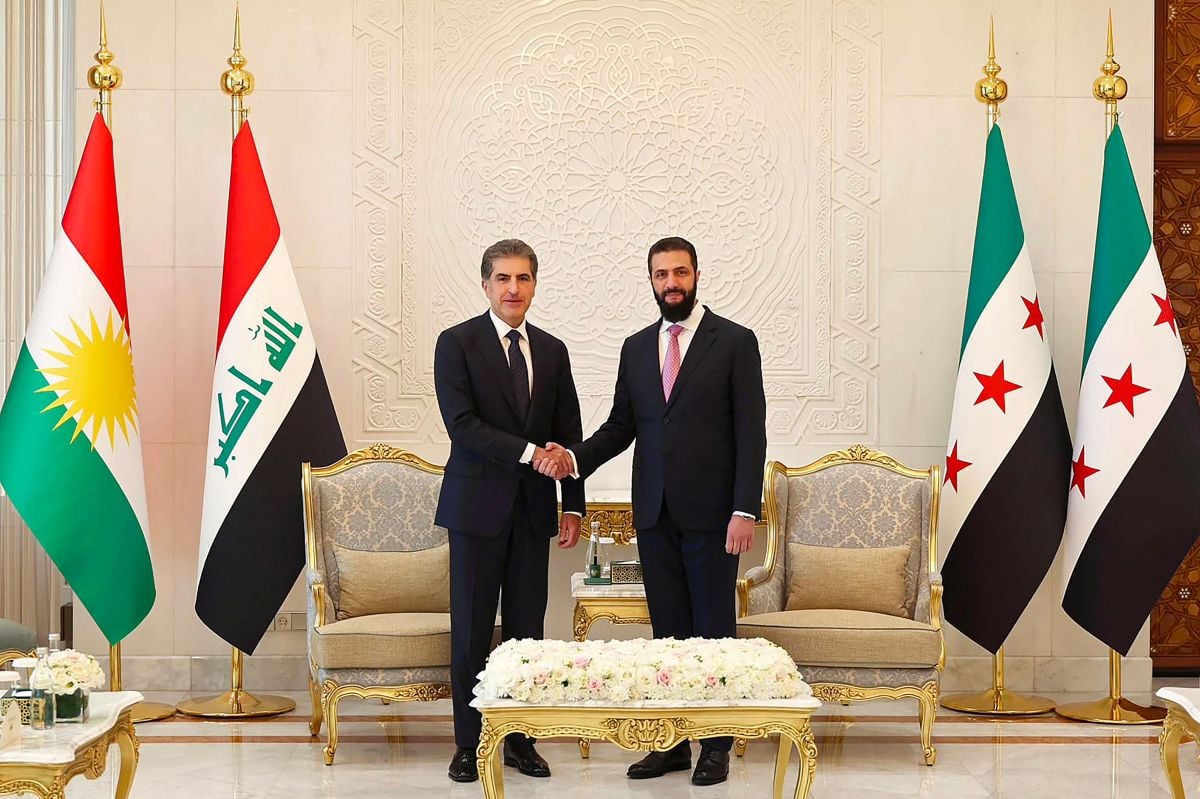
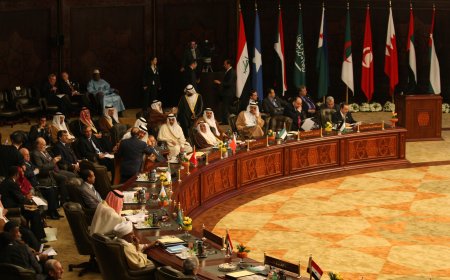
Support for Morocco’s position continues expanding, with Syria recently endorsing Rabat’s territorial claims in a move reflecting broader geopolitical realignments. In addition, several countries have signaled alignment with the autonomy proposal, strengthening Morocco’s diplomatic momentum and reinforcing its narrative on the international stage. Consequently, these endorsements increase pressure on opposing parties while reshaping the balance of support surrounding the dispute.
However, resistance remains strong from Algeria and the Polisario Front, both of which reject Morocco’s proposal and continue advocating for self determination through a referendum. Algerian officials argue that any resolution must respect international law and the rights of the Sahrawi people to decide their future independently. Meanwhile, the Polisario Front maintains its long standing demand for full independence, keeping tensions alive despite diplomatic developments.
As diplomatic efforts intensify, the dispute continues shaping regional relations, influencing alliances, and affecting cooperation across North Africa and beyond. Analysts note that evolving support for Morocco reflects broader strategic considerations, including security partnerships, economic interests, and shifting global alignments. Nevertheless, the lack of consensus ensures that the conflict remains unresolved, with periodic tensions threatening stability in the wider region.
Ultimately, the Western Sahara issue stands as a central geopolitical fault line, where diplomacy, national interests, and historical grievances intersect in complex and enduring ways. Observers emphasize that while Morocco’s growing support strengthens its position, a lasting resolution will require compromise and sustained international engagement. Until then, the dispute will likely continue influencing regional politics and shaping the strategic landscape of North Africa.
[Source: The Times]