





/file/attachments/2996/04ED_610405_518242.jpg)


/file/dailymaverick/wp-content/uploads/2023/10/CovidGrant-1.jpg)

































Supreme court ends school segregation in historic 1954 decision
Landmark ruling reshapes civil rights law and accelerates the fight against racial discrimination in the United States
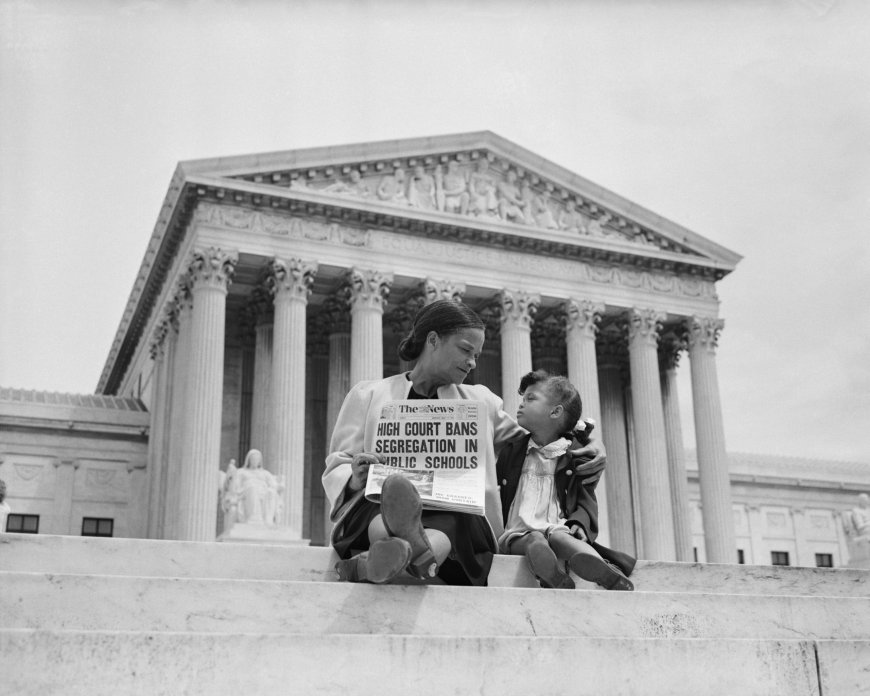
On May 17, 1954, the United States Supreme Court delivered a ruling that ended legal segregation in public education nationwide. The decision in Brown v. Board of Education marked a turning point in American law and civil rights modern history. Chief Justice Earl Warren led a unanimous court that rejected the doctrine of separate but equal in public schooling systems.
The ruling declared that segregated schools violated the Equal Protection Clause of the Fourteenth Amendment under the United States Constitution. By overturning decades of precedent, the court dismantled the legal basis established by the earlier case Plessy v Ferguson notorious. The judgment energized civil rights activists who had long challenged segregation through legal strategies and grassroots mobilization across the nation.
Furthermore, the decision sent a powerful message to state governments that discriminatory laws would no longer withstand constitutional scrutiny strict. In addition, it accelerated efforts to desegregate schools, although implementation faced resistance and required further court orders and federal intervention. Across the American South, many officials resisted compliance, prompting a prolonged struggle that tested the authority of federal institutions central.
Nevertheless, the ruling laid the groundwork for future legislation, including the Civil Rights Act and the Voting Rights Act landmark. Moreover, it elevated the United States' global image as a nation confronting inequality during an period of Cold War competition. International observers closely watched how American democracy addressed racial injustice, especially as the country promoted freedom and equality abroad widely.
At the same time, African American communities drew hope from a decision that affirmed their rights and dignity under law. Subsequently, federal courts issued rulings to guide desegregation, emphasizing deliberate speed while attempting to balance legal principles with political realities. Despite efforts, many school districts delayed integration, leading to confrontations that required the presence of federal troops to enforce compliance.
Over time, the principles established by the case reshaped policies and expanded opportunities for millions of students across the country. The case inspired movements that challenged discrimination in housing, employment, and public accommodations, further transforming American society in the decades. Legal scholars the decision as a cornerstone of constitutional interpretation, highlighting its role in redefining equality and justice in America.
Today, the legacy of Brown v Board of Education endures as courts and policymakers confront challenges to equity and inclusion. Ultimately, the ruling a defining moment that demonstrates how judicial action can drive profound social change and uphold constitutional values.
[Source: Nationalarchives.org]