




































Powerful earthquake devastates Sichuan province in China
Massive disaster leaves tens of thousands dead and reshapes emergency response efforts
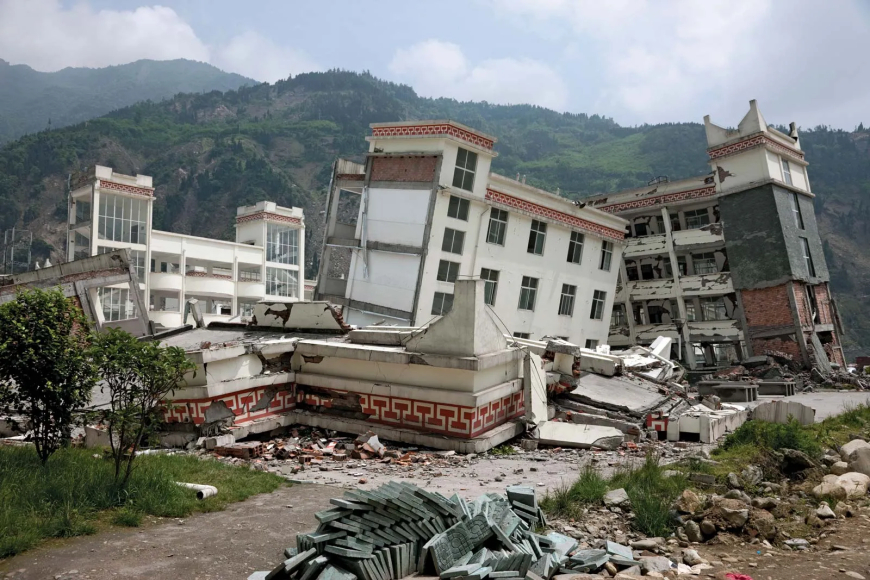
A powerful earthquake struck China’s Sichuan province in 2008 causing widespread destruction and marking one of the deadliest disasters in modern history. The tremor measured 7.9 magnitude and flattened towns villages and infrastructure across mountainous regions leaving millions affected by the catastrophe. Within minutes buildings collapsed roads fractured and communication systems failed complicating rescue efforts and isolating communities trapped beneath debris.
Authorities in China mobilized emergency teams while survivors searched for loved ones amid ruins and ongoing aftershocks that heightened fear across the region. Rescue workers faced immense challenges navigating landslides damaged roads and unstable structures while attempting to reach remote areas cut off from assistance. Meanwhile hospitals became overwhelmed as injured residents flooded facilities requiring urgent care supplies and medical personnel in unprecedented numbers.
As the scale of destruction became clear officials reported tens of thousands dead or missing with entire communities wiped out by the disaster. The earthquake struck near Wenchuan County causing severe damage in surrounding towns where schools homes and public buildings collapsed rapidly. Families mourned loved ones while authorities worked to account for survivors and provide temporary shelter food and essential resources for displaced populations.
The government launched a massive relief operation deploying military units engineers and volunteers to assist in rescue and recovery operations. International aid organizations also contributed support sending supplies personnel and financial assistance to help stabilize affected communities and rebuild critical infrastructure. However difficult terrain and continuing aftershocks slowed progress forcing rescuers to proceed cautiously while prioritizing safety during search missions.
In the aftermath officials initiated investigations into building standards particularly after reports that schools and public structures failed during the earthquake. Public anger grew as families demanded accountability for construction practices that may have contributed to the high number of casualties across the region. At the same time authorities emphasized rebuilding efforts focusing on stronger infrastructure and improved disaster preparedness strategies for future emergencies.
Over time reconstruction transformed devastated areas as new housing transportation networks and public services emerged from the ruins of the disaster. Survivors faced long term challenges including trauma economic hardship and the loss of entire communities that once defined their daily lives. Nevertheless the tragedy prompted significant reforms in emergency response systems and strengthened national awareness of disaster risk management.
[Source: Britannica]