



/file/dailymaverick/wp-content/uploads/2023/10/CovidGrant-1.jpg)
































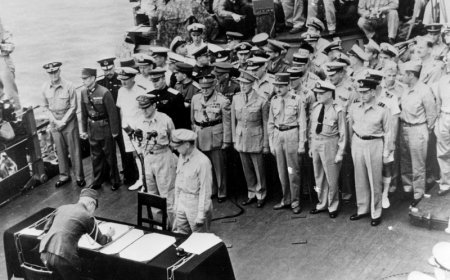


The outbreak of the Mexican American war in 1846
Border tensions, expansionist ambitions, and political decisions ignite a conflict that reshapes North America’s future
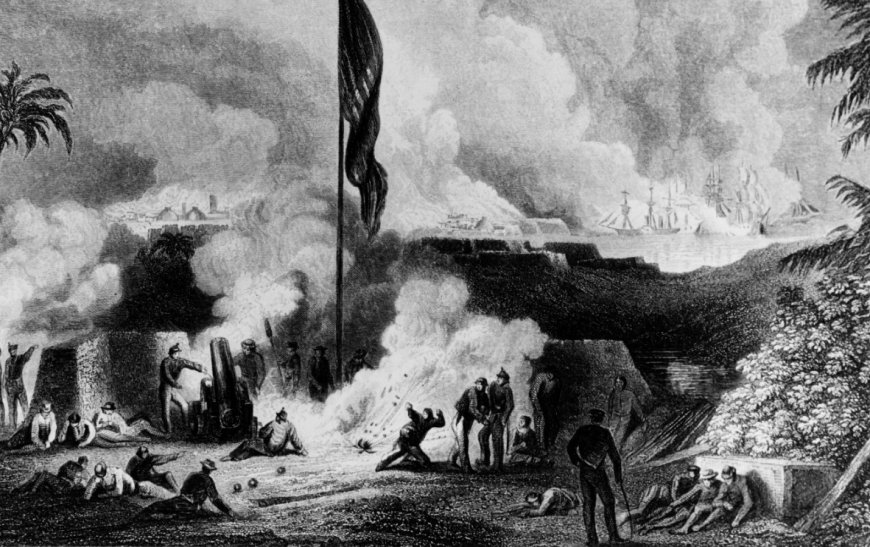
The outbreak of war between the United States and Mexico in 1846 marked a turning point in North American history. President James K. Polk framed the conflict as a defensive response after reporting Mexican forces attacked American troops near Texas border region. However, tensions had steadily escalated for years as both nations disputed the southern boundary of Texas following its annexation earlier.
Meanwhile, American expansionist ambitions, described as Manifest Destiny, drove political leaders to seek territory stretching westward to the Pacific Ocean. As a result, diplomatic relations deteriorated when negotiations failed to resolve claims over between the Nueces River and Rio Grande. Consequently, President Polk ordered General Zachary Taylor to move troops into the disputed zone, a decision that heightened tensions significantly.
Soon after, Mexican cavalry engaged American soldiers clashes, which Polk cited as evidence of aggression against the United States directly. Therefore, addressed Congress and asserted Mexico had shed American blood on soil, urging lawmakers to recognize a state of war. Congress responded swiftly, and lawmakers approved a declaration acknowledging a war existed, thereby committing the nation to a major conflict.
Critics in the United States argued that Polk manipulated events to justify expansion, warning that the war lacked moral legitimacy. Nevertheless, public support grew in regions, as newspapers and political leaders emphasized national honor and the defense of American territory. Meanwhile, Mexico viewed situation differently, insisting contested land belonged to them and condemning American military presence as an invasion foreign.
As fighting expanded, armies prepared for prolonged campaigns across territories, shaping the future borders of North America through decisive battles. Furthermore, conflict influenced politics, intensifying debates over slavery as new territories raised questions about whether they would permit enslaved labor. In addition, the war would lead to territorial gains for the United States, including day California, Arizona, and New Mexico.
However, human cost remained high, as soldiers on sides faced harsh conditions, disease, and death during campaigns far from home. Ultimately, historians debate causes and consequences of war, examining how ambition, miscalculation, and nationalism combined to produce lasting change significant. Thus, beginning of Mexican American War in 1846 remains a defining moment that reshaped borders, politics, and identities of continent.
[Source: Omniatlas]