/file/dailymaverick/wp-content/uploads/2023/10/CovidGrant-1.jpg)






























The strait of Hormuz crisis
Iran’s actions disrupt global shipping and threaten energy supplies worldwide
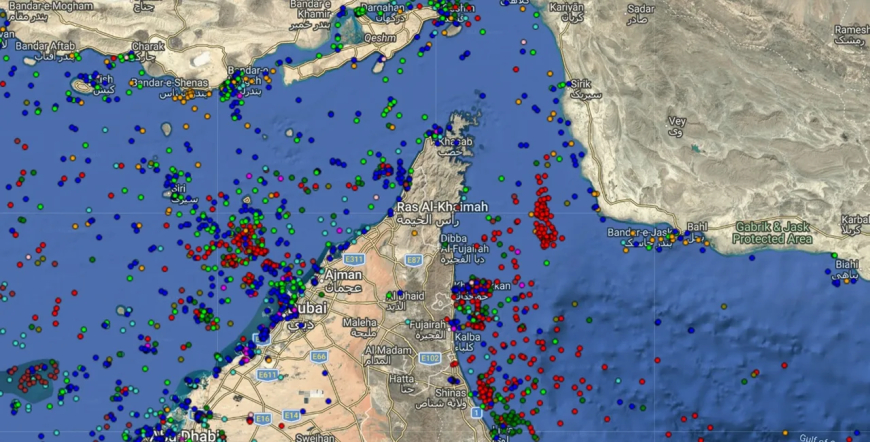
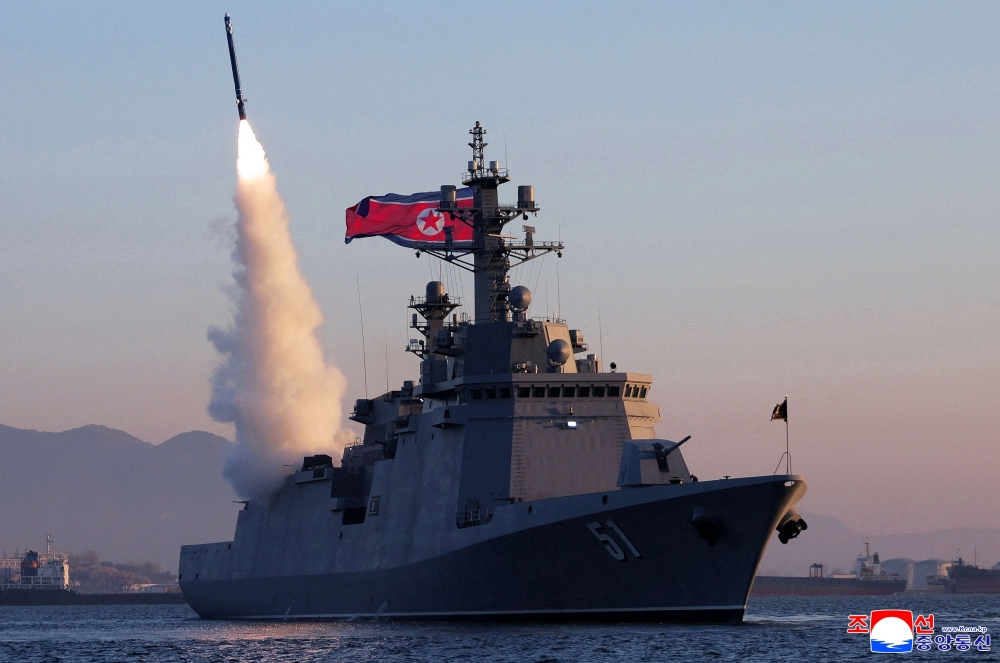
The escalating crisis in the Strait of Hormuz has become one of the most serious global disruptions in recent years. Iran’s military actions and warnings have effectively halted maritime traffic, trapping vessels and creating a severe bottleneck in international trade routes. As a result, the waterway, which normally carries a significant share of the world’s oil and gas, has turned into a high-risk conflict zone.
Meanwhile, Iranian forces have targeted and intercepted commercial ships, while naval mines and drone threats have forced shipping companies to suspend operations entirely. According to maritime data, traffic through the strait has dropped dramatically, with hundreds of vessels stranded or rerouted to avoid danger. Consequently, global shipping networks have experienced widespread delays, affecting industries far beyond the energy sector.
Furthermore, the crisis has sharply reduced the flow of oil and liquefied natural gas, tightening global energy supplies and driving price volatility across markets. Economists warn that removing even a portion of this supply creates immediate ripple effects, increasing fuel costs and raising prices for goods worldwide. Therefore, the disruption has quickly evolved from a regional conflict into a global economic challenge.
At the same time, recent reports indicate that thousands of ships and tens of thousands of seafarers remain stuck near the strait due to ongoing instability. Shipping companies have reported financial losses and operational setbacks as voyages become riskier and more expensive under current conditions. In addition, insurers have raised premiums significantly, making passage through the area economically unviable for many operators.
However, geopolitical tensions continue to escalate as multiple countries become involved, raising fears of a broader regional conflict in the Middle East. Military actions linked to the ongoing confrontation have intensified uncertainty, while diplomatic efforts have struggled to restore stability or reopen safe passage. Nevertheless, global powers remain deeply concerned about maintaining access to this strategic maritime route.
Ultimately, the Strait of Hormuz crisis highlights the vulnerability of global supply chains to geopolitical shocks and strategic chokepoints. As the situation continues to unfold, governments and industries face growing pressure to find alternative routes and stabilize energy markets. Thus, the ongoing disruption stands as a critical moment with far-reaching consequences for global trade, energy security, and international relations.
[Source: Reuters]