



































Allied victory ends Axis resistance in North Africa
Tunisian campaign conclusion opens path for invasion of italy and shifts momentum in world war II
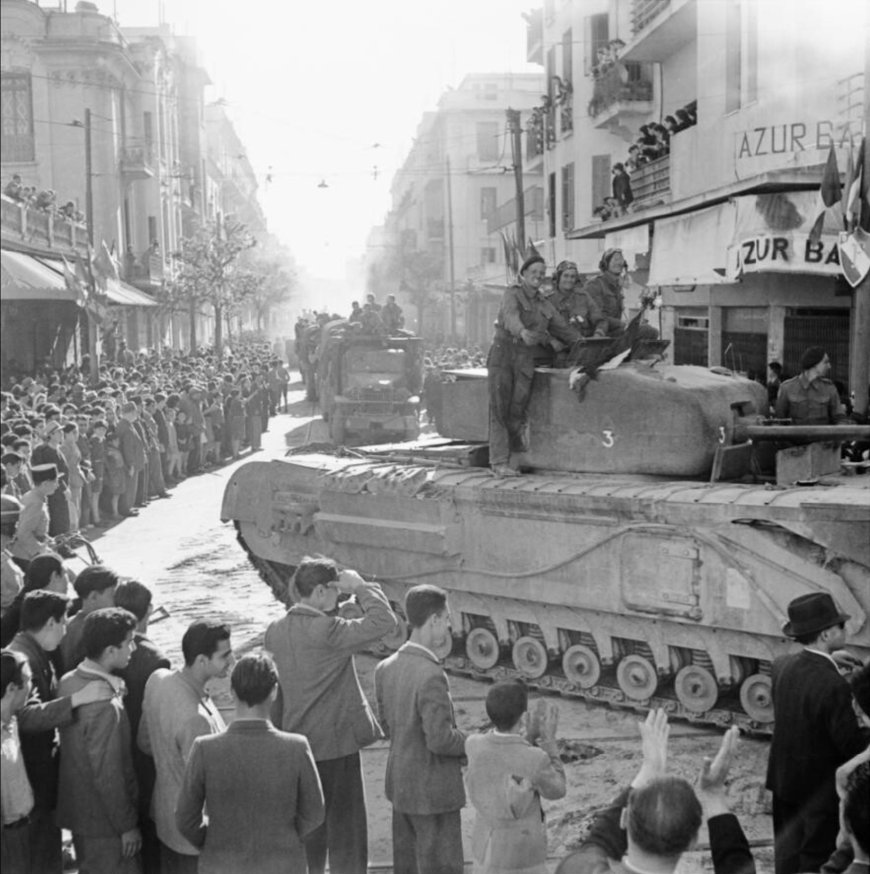
Allied forces secured a victory in Tunisia in 1943, ending Axis resistance and reshaping the course of World War II. The surrender of Axis troops marked the collapse of their North African campaign and opened strategic pathways toward southern Europe. After months of fighting, Allied armies coordinated land, air, and sea operations to isolate and overwhelm German and Italian units.
Commanders capitalized on earlier successes in Libya and Algeria, tightening supply lines and cutting reinforcements arriving across the Mediterranean Sea. Dwight D. Eisenhower oversaw multinational cooperation, while British and American divisions advanced forcing Axis commanders into a desperate defensive posture. Erwin Rommel had departed, leaving weakened formations unable to resist Allied pressure and coordinated assaults from multiple directions.
As encirclement around Tunis and Bizerte, Axis troops faced dwindling ammunition, limited food supplies, and aerial bombardment from Allied aircraft. Ultimately, more 250,000 Axis soldiers surrendered, representing one of the largest capitulations of German and Italian forces during the war. This outcome eliminated Axis presence in North Africa and secured shipping lanes across the Mediterranean, improving logistics for Allied offensives.
Leaders in Washington and London recognized the implications, accelerating plans for an invasion of Italy to weaken Axis in Europe. The victory boosted morale among Allied nations, demonstrating that coalition warfare could defeat Axis armies entrenched across difficult and terrain. Meanwhile, defeat exposed weaknesses in Axis supply systems, struggled to maintain distant forces under attack from naval and air superiority.
Historians described the Tunisian campaign as a turning point, linking earlier desert victories with the Allied push into continental Europe. Surviving Axis prisoners were transported to camps, while Allied commanders consolidated positions and prepared forces for operations beyond North Africa. The campaign highlighted importance of intelligence, coordination, and logistics, as Allied planners refined strategies prove crucial during the Italian campaign.
For civilians North Africa, end of fighting brought relief, although destruction and hardship to shape communities recovering from prolonged conflict. Military analysts emphasize victory demonstrated effectiveness of Allied cooperation, setting precedent for joint operations defined stages of the war later. As North front closed, Allied leaders shifted attention Europe, where new campaigns would dismantle Axis power and hasten final victory.
[Source: WorldHistory.org]