

/file/attachments/orphans/20260727_161456_495910.jpg)





















Nelson Mandela becomes South Africa’s first black president
Historic Inauguration Signals the End of Apartheid and a New Democratic Era
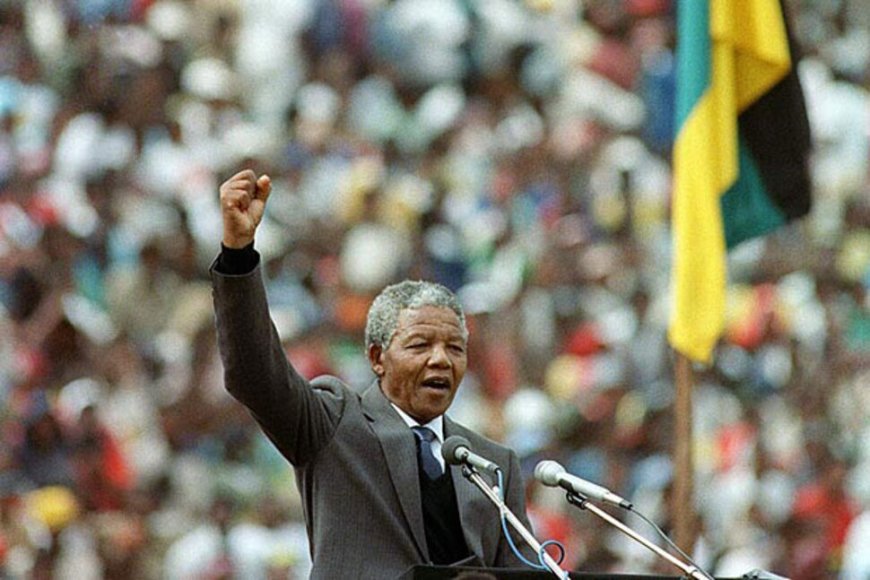
On May 10 1994 Nelson Mandela took office as South Africa’s first Black president, marking a profound political transformation. The inauguration followed the nation’s first multiracial elections, and it signaled the official end of apartheid while inspiring global audiences. Leaders and citizens gathered in Pretoria, and they celebrated the peaceful transition from decades of institutionalized racial segregation and oppression.
Mandela’s rise to power came after years of struggle, and he emerged as a symbol of reconciliation, resilience, and principled leadership. The dismantling of apartheid reflected sustained internal resistance and international pressure, and it opened pathways toward equality under the law. Crowds filled the streets with optimism, and they embraced the promise of a unified society built on justice and shared national identity.
During the ceremony Mandela delivered a message of unity, and he emphasized forgiveness while calling for cooperation across racial and political divisions. He urged citizens to reject bitterness, and he encouraged collective efforts to rebuild institutions damaged by decades of discriminatory policies. The new administration committed to democratic governance, and it prioritized human rights, economic reform, and social development for marginalized communities.
Meanwhile global leaders praised the transition, and they recognized South Africa’s peaceful shift as a milestone in modern political history. The inauguration demonstrated the power of dialogue, and it highlighted the importance of inclusive political systems in resolving deeply rooted conflicts. International observers viewed the moment as transformative, and they saw it as a model for other nations confronting division and inequality.
Although challenges remained significant, Mandela’s presidency set a new tone, and it encouraged cooperation across sectors of society and government. Efforts to address poverty and inequality began, and policymakers worked to create opportunities for those previously excluded from economic participation. The administration also focused on national healing, and it supported initiatives aimed at confronting past injustices and promoting reconciliation.
Ultimately the inauguration marked a decisive turning point, and it redefined South Africa’s role on the global stage as a democratic nation. Mandela’s leadership left a lasting legacy, and it continues to influence discussions on justice, equality, and human dignity worldwide. Today historians reflect on the moment with admiration, and they recognize its enduring significance in the broader struggle for human rights.
[Source: U.S News and World Report]