





















Vladimir Putin’s 2000 inauguration marked a turning Point in Russian power
A new presidency emerged promising stability, centralization, and a redefined global role for Russia
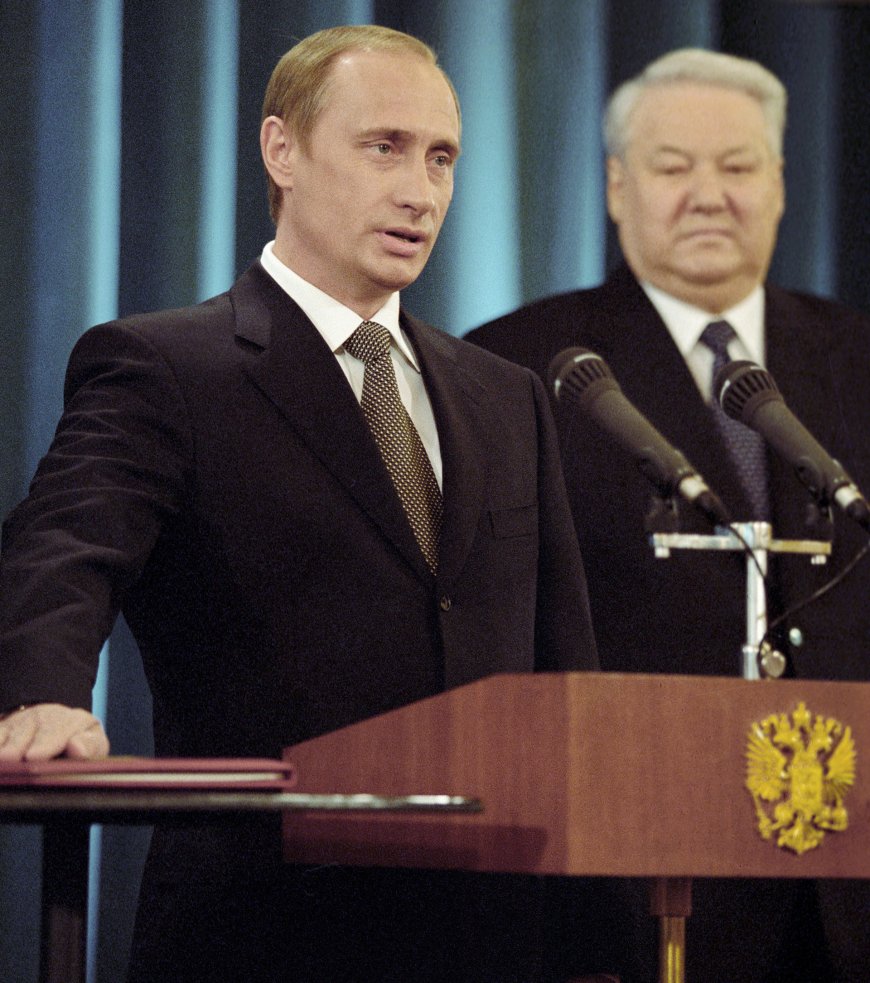
Vladimir Putin took office as Russia's president on May 7, 2000 marking a major shift in national political power structures. The inauguration followed his rapid rise through government ranks and signaled the beginning of a more centralized leadership approach nationwide. At the time, Russia faced economic uncertainty and political fragmentation, prompting many citizens to seek stability under stronger executive authority.
Putin quickly positioned himself as a decisive leader committed to restoring order and reinforcing state institutions weakened during previous administrations. As he assumed office, he emphasized national unity while promising to rebuild Russia's global standing and strengthen its governance systems. Meanwhile observers noted that his leadership style contrasted sharply with the more fragmented political environment that defined the preceding decade.
He moved swiftly to consolidate authority by reshaping federal relationships and limiting the influence of regional power centers across Russia. Furthermore his administration introduced policies aimed at stabilizing the economy while reasserting state control over key strategic industries and resources. These early decisions set the tone for a governance model that prioritized centralized decision making and a strong presidential role.
Consequently Putin's presidency reshaped Russia's domestic politics and gradually redefined its interactions with major global powers and neighboring states alike. International leaders watched as Moscow adopted a more assertive posture in foreign policy matters during his early years in office. Domestically he worked to curb the influence of oligarchs while reinforcing the authority of federal institutions and national security structures.
Moreover his leadership coincided with rising energy revenues, which provided the government with resources to pursue economic and political agendas. Over time, these developments contributed to increased state influence across media, business, and regional administrations throughout the vast country landscape. Critics argued that such consolidation limited political pluralism while supporters contended it restored stability after years of post Soviet turbulence.
Nevertheless Putin maintained high approval ratings during his initial term, reflecting widespread public desire for order and economic recovery nationwide. His inauguration represented more than a routine political transition, as it marked the beginning of a new era in Russia. Additionally his governance approach influenced political systems in neighboring regions and shaped global debates about leadership and state authority models.
Over the following decades, Putin remained a dominant figure in Russian politics, guiding policy decisions and maintaining control over institutions. Ultimately his first inauguration on May 7, 2000 to be viewed as a defining moment in modern Russian political history.
[Source: C-Span]