














Kurdistan is the rock on which stability in the Middle East can be built
The Peshmerga were the backbone of the ground campaign against Isis. Britain should renew its support for the Kurdish region, according to Hamish de Bretton-Gordon.

The autonomous Kurdistan region of Iraq is not some abstract geopolitical concept to me. It is a place that I saw forged amid conflict, resilience and remarkable courage.
I had the privilege of standing alongside the Peshmerga – the Kurdish armed forces – between 2015-2017 in the fight against Isis. I can say without hesitation that these men and women are among the most determined and capable fighters I have encountered in any theatre of war. They were, quite simply, the backbone of the campaign on the ground. While air power and international coordination played their roles, it was the Peshmerga, alongside elements of the Iraqi army, who bore the brunt of the fighting and ultimately broke the back of the so-called caliphate.
It is worth remembering that this victory was not achieved in isolation. Iran and its associated militias, operating predominantly to the south, also contributed to the broader effort against coalition forces. That reality adds a layer of complexity to today’s regional dynamics, as those same militias continue to exert a malign influence against Western and Kurdish interests. War rarely produces neat outcomes, and Iraq is a textbook example of that.
What may surprise some is the depth of the relationship between the Kurdish region and the United Kingdom. This is not a recent development, nor is it superficial. It is rooted in decisive action taken at a critical moment. In 1991, following the Gulf War, John Major’s government implemented the safe havens policy and enforced a no-fly zone over northern Iraq.
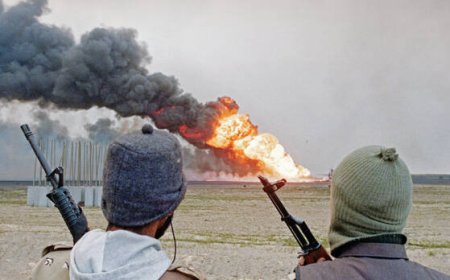
This was not merely a humanitarian gesture; it was a strategic intervention that prevented Saddam Hussein from carrying out what could have been the annihilation of the Kurdish people. I remember that period well, albeit from further south, having just come out of the Gulf War in Kuwait as a young tank commander. The contrast between the north and the rest of Iraq today can, in many ways, be traced back to those decisions.
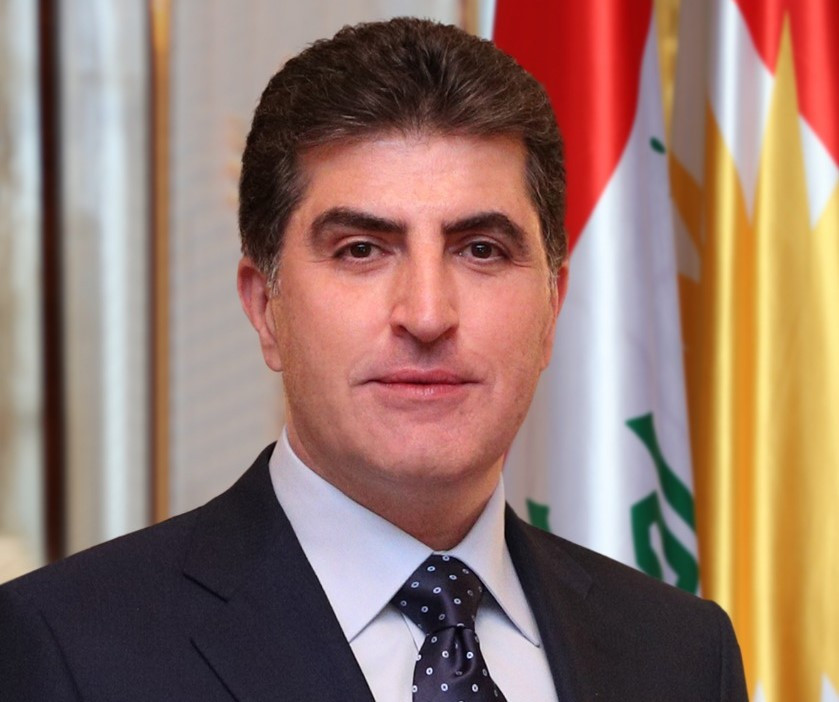
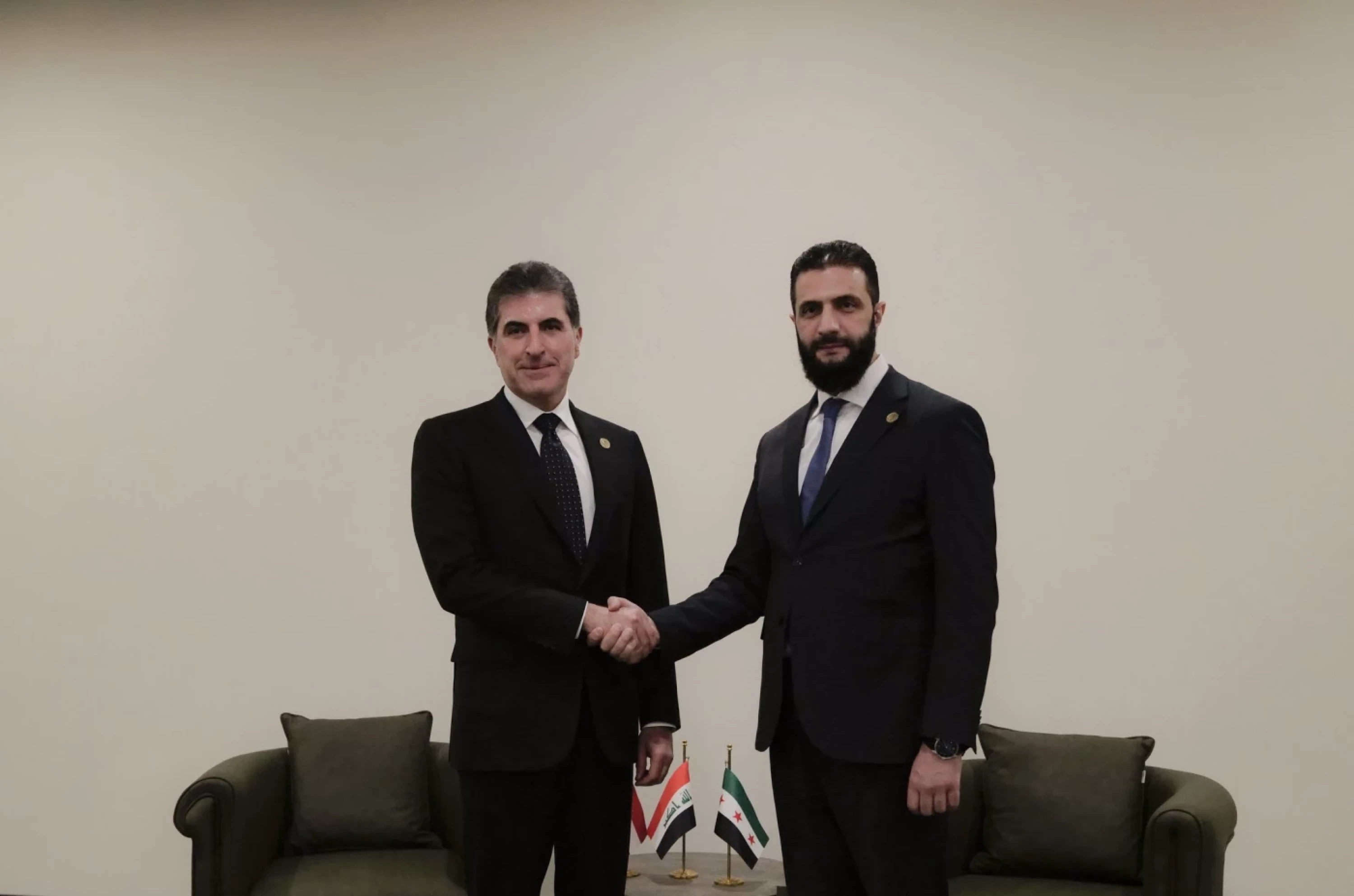
That historical connection was reinforced recently at the launch of the Kurdistan Society in the UK, by His Excellency Safeen Dizayee, the Kurdistan foreign minister, appropriately at a dinner in the Traveller’s Club in London. There, the Kurdish minister openly acknowledged the role Britain had played. Praise was not limited to John Major; Tony Blair was also recognised. That may raise eyebrows in some quarters, but from a Kurdish perspective, the 2003 invasion of Iraq removed Saddam Hussein and created the conditions for Kurdistan to flourish, economically, politically, and socially, until Isis attempted to dismantle it.
One statistic stands out starkly: since 1991, not a single British service member has been killed or injured in Kurdistan, and we have often been present there. That stands in sharp contrast to the sacrifices made elsewhere in Iraq and speaks volumes about the region’s friendliness.
Today, Iraqi Kurdistan represents something rare in the Middle East: an island of stability. That stability is not accidental. It is the product of effective governance, strong security forces, and a population that understands the cost of chaos. The Kurdistan Regional Government is uniquely positioned, both geographically and diplomatically, to play a constructive role in shaping the future of the region. Many of its senior figures have been educated in the UK, fostering a natural alignment in outlook and values. Moreover, its proximity to Iran, coupled with deep cultural ties to Iranian Kurds, offers a potential for influence in Iran that few others possess.
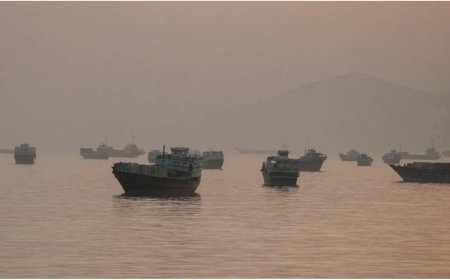
Energy security is another critical factor. Kurdistan’s oil pipeline to Turkeyis a strategic asset, particularly in a scenario where the Strait of Hormuz becomes compromised. At a time when global energy routes are increasingly vulnerable, this northern corridor offers an alternative that is both practical and politically significant. It is a clear example of Kurdish ingenuity and foresight under pressure.
Given all of this, there is a compelling case for renewed British engagement with the region. As the Royal Navy considers its role in safeguarding maritime routes such as the Strait of Hormuz, it would be prudent to think more broadly. Supporting the Peshmerga once again, not just as a fighting force but as a stabilising partner, could prove instrumental in countering malign influences, particularly those emanating from Iran and its network of militias.
It may sound ambitious, but leadership in foreign policy often requires precisely that. Britain has done this with Kurdistan before. The question now is whether it has the will to do so again. If there is a lesson from the past three decades, it is that decisive, well-judged intervention, backed by strong alliances, can shape outcomes for the better. The Kurdistan region stands as evidence of that.
Colonel Hamish de Bretton-Gordon was one of the Peshmerga’s chemical weapons advisers in the fight with Isis 2015-2017. His next book, Tank Command, is published on June 4, 2026.
[Source: Daily Telegraph]