

















Syria holds parliamentary elections amid ongoing conflict
controversial vote during civil war draws criticism from opposition and western governments
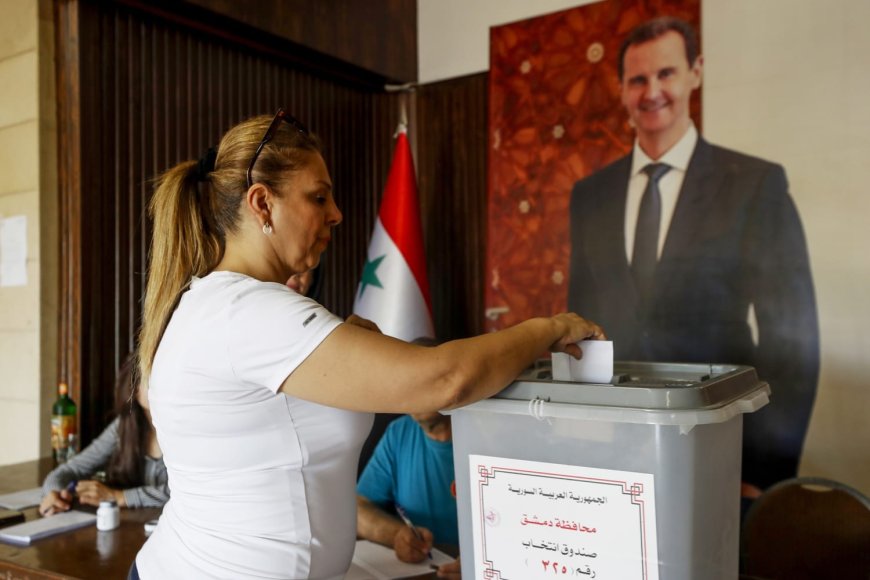
Amid intensifying violence, Syria conducted parliamentary elections in May two thousand twelve, despite the ongoing civil war. The vote marked the first such election since the outbreak of unrest against President Bashar al-Assad, which began the previous year. Authorities presented the elections as a step toward political reform, while critics dismissed them as lacking legitimacy under wartime conditions.
Government officials encouraged participation, arguing that the process demonstrated stability and continuity within state institutions despite widespread unrest across major regions. However, opposition groups strongly rejected the elections, claiming that ongoing military operations and displacement prevented fair representation of the Syrian population. In addition, many areas under rebel control did not participate, further undermining the inclusiveness of the electoral process.
Western governments, including the United States and several European nations, openly criticized the elections, describing them as neither free nor credible. International observers highlighted restrictions on political freedoms, limited media access, and the broader climate of violence as significant barriers to a transparent vote. Consequently, global reactions reinforced doubts about the election’s legitimacy and its ability to reflect genuine public opinion.
Meanwhile, the Syrian government emphasized recent constitutional changes, which it claimed allowed for a multiparty system and greater political participation than before. Officials pointed to new political parties and candidates as evidence of reform, although opposition figures argued that these changes remained tightly controlled. As a result, many analysts viewed the elections as largely symbolic rather than a meaningful shift toward democratic governance.
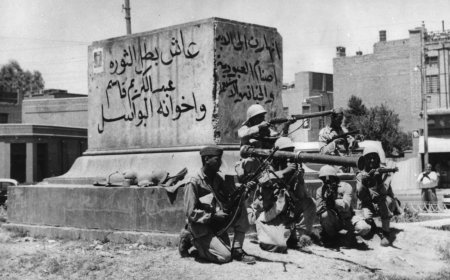
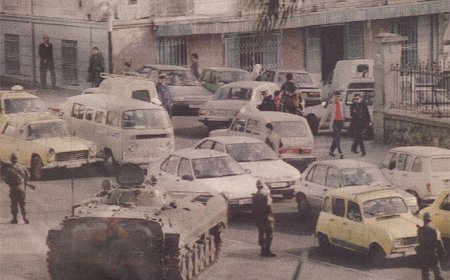
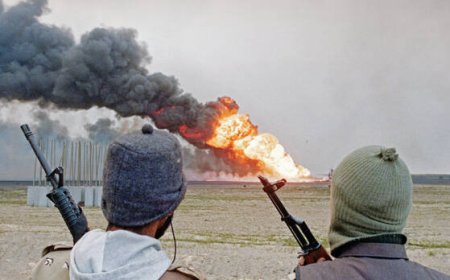
The civil war, which had already caused significant casualties and displacement by that time, continued to escalate during the electoral period without pause. Armed clashes between government forces and various opposition groups intensified in several cities, highlighting the deep divisions within the country. Therefore, the elections unfolded against a backdrop of instability, limiting their practical impact on the broader conflict.
In the aftermath, the newly elected parliament convened under conditions that remained shaped by ongoing violence and political polarization across the country. Although the government framed the outcome as a mandate for continuity, critics maintained that the process failed to address core grievances driving the uprising. Ultimately, the two thousand twelve parliamentary elections illustrated the challenges of conducting political processes during active conflict and widespread unrest.
[Source: Chatham House]