

















Tensions rise over Hormuz as project freedom escalates crisis
military confrontation and political rhetoric heighten fears of wider conflict in the Gulf region
Tensions sharply escalated in the Strait of Hormuz after the United States launched a new military initiative aimed at securing maritime routes. The operation, referred to as Project Freedom, unfolded under the direction of Donald Trump, who framed it as essential to protecting global shipping. As a result, the move immediately drew strong reactions from Iran and raised fears of a broader regional confrontation.
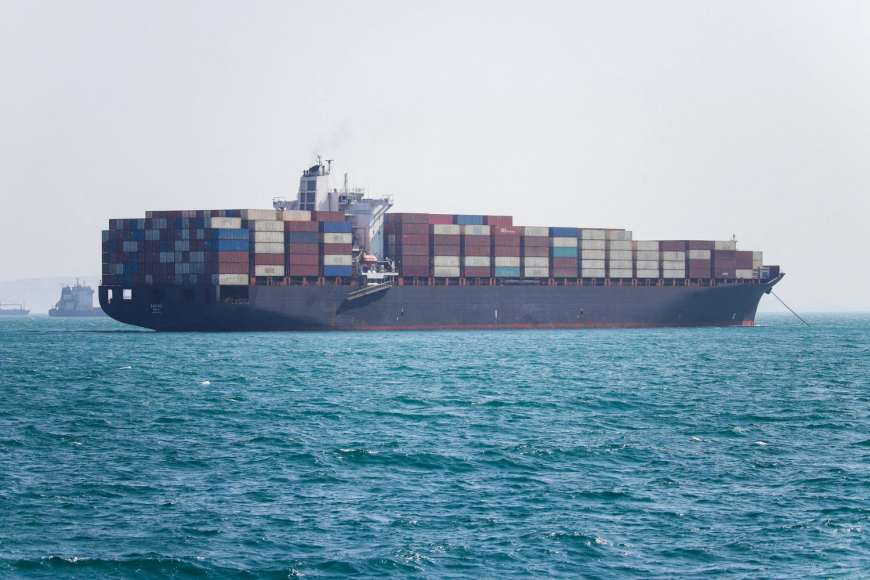
The strategic waterway, which carries a significant portion of the world’s oil shipments, quickly became the center of renewed geopolitical tension and military activity. According to U.S. officials, more than eight hundred vessels and approximately twenty thousand crew members remained stranded due to escalating risks. Consequently, global markets and shipping industries closely monitored developments, concerned about disruptions to energy supplies and trade routes.
Shortly after the launch of the operation, the United States Central Command reported that its forces engaged Iranian threats in the area. Officials stated that six small Iranian boats were destroyed, while cruise missiles and drones were intercepted during the confrontation. However, Iranian authorities rejected these claims, denying that such losses or interceptions occurred during the reported incidents.
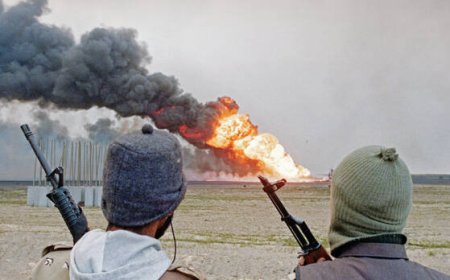
Meanwhile, the situation intensified further when Iran reportedly launched drone and missile strikes targeting the United Arab Emirates. The attack allegedly struck the oil port of Fujairah, triggering fires and raising concerns about infrastructure vulnerability. Therefore, the escalation marked a significant expansion of hostilities beyond maritime encounters, increasing fears of a wider regional conflict.
In response, Trump issued a stark warning, stating that Iran would face devastating consequences if it targeted any United States vessels operating in the strait. His remarks, which included threats of overwhelming retaliation, further heightened tensions and drew criticism from international observers. As a result, diplomatic efforts to de-escalate the situation appeared increasingly strained amid rising military posturing on both sides.
Conflicting accounts also emerged regarding the movement of commercial vessels through the contested waterway during the unfolding crisis. The United States claimed that two American flagged ships successfully navigated the strait under military protection during the operation. However, Iranian officials disputed this assertion, maintaining that such transits had not occurred as described by U.S. authorities.
Additionally, the global shipping giant Maersk reported that one of its vessels departed the Gulf, signaling limited movement despite the risks. Nevertheless, maritime experts expressed skepticism about the long term viability of safe passage under the current security conditions. Ultimately, the unfolding developments underscored the fragility of stability in the Gulf and the potential for rapid escalation into broader conflict.
[Source: The Guardian]