/file/attachments/orphans/20260727_161456_495910.jpg)


















Rubio urges Iran to deliver serious ceasefire proposal amid rising tensions
Trump Awaits Response as Clashes Escalate Around Strategic Strait of Hormuz
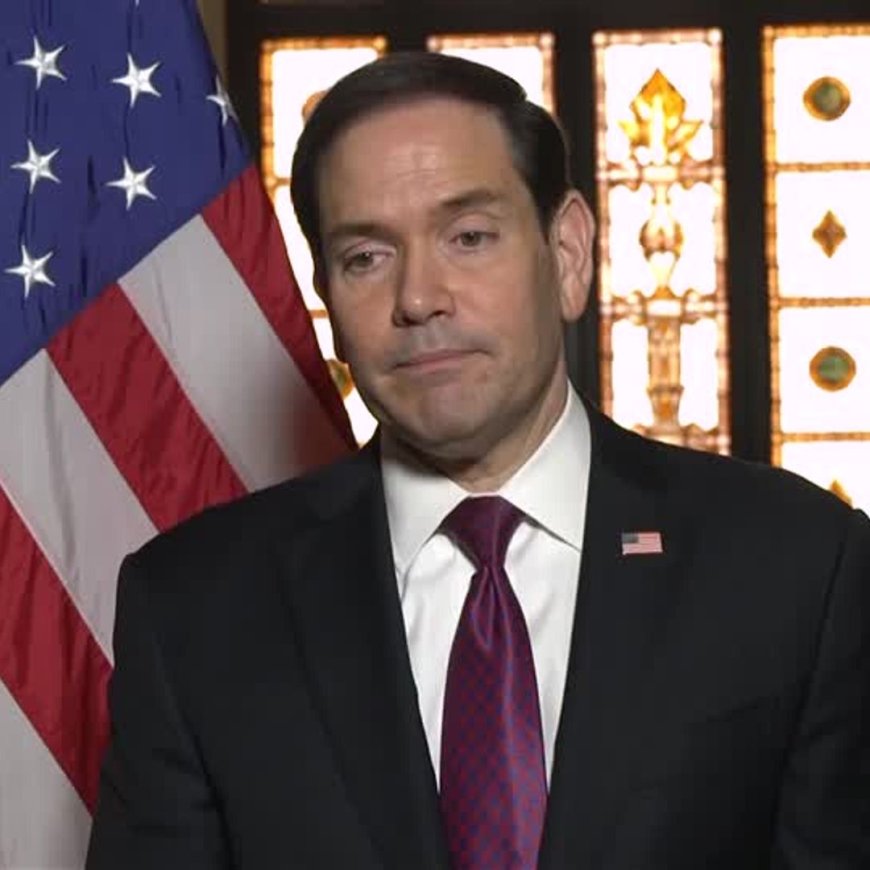
U.S. officials signaled cautious anticipation on May 9 2026 as Marco Rubio expressed hope that Iran would present a meaningful ceasefire proposal. The statement came as tensions continued to rise despite an already fragile truce between Washington and Tehran.
In recent days, violence intensified near the Strait of Hormuz, a critical corridor for global energy supplies. These clashes marked the most serious escalation since both sides informally agreed to pause hostilities last month.
The renewed instability followed an announcement by Donald Trump regarding a naval initiative aimed at securing the waterway. However, the administration quickly suspended the mission, adding uncertainty to an already volatile regional situation.
Meanwhile, diplomatic channels remained active as mediators worked to prevent further escalation and revive structured negotiations. Pakistan played a key intermediary role, delivering a brief memorandum to Iranian officials on behalf of Washington.
U.S. representatives indicated that the document could serve as a foundation for a more durable ceasefire agreement. Officials also suggested that it might open the door for broader talks addressing long-standing regional disputes.
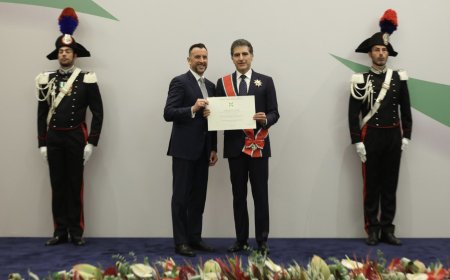
Speaking during a visit to Rome, Rubio emphasized the urgency of Iran’s response and expressed cautious optimism about potential progress. He stated that a credible proposal could initiate a serious negotiation process and stabilize the situation.
At the same time, Trump confirmed that the United States expected direct communication from Iran in the immediate future. Addressing reporters at the White House, he noted that a message from Tehran could arrive within hours.
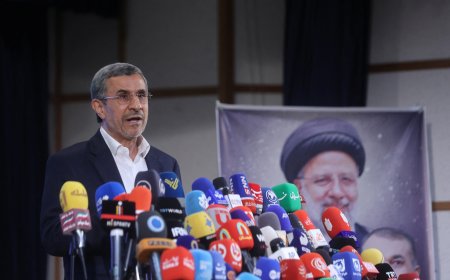
Iranian authorities, however, accused Washington of engaging in what they described as a reckless military approach. These accusations underscored the deep mistrust that continues to complicate efforts toward de-escalation.
Despite the rhetoric, both sides appeared to leave space for diplomacy, signaling a shared interest in avoiding further confrontation. The coming response from Iran could determine whether tensions ease or escalate further in the region.
[Source: The Guardian]