


/file/attachments/orphans/20260727_161456_495910.jpg)

























Germany launches invasion across western Europe
Rapid Offensive Overwhelms Belgium and the Netherlands, Reshaping the Course of World War II
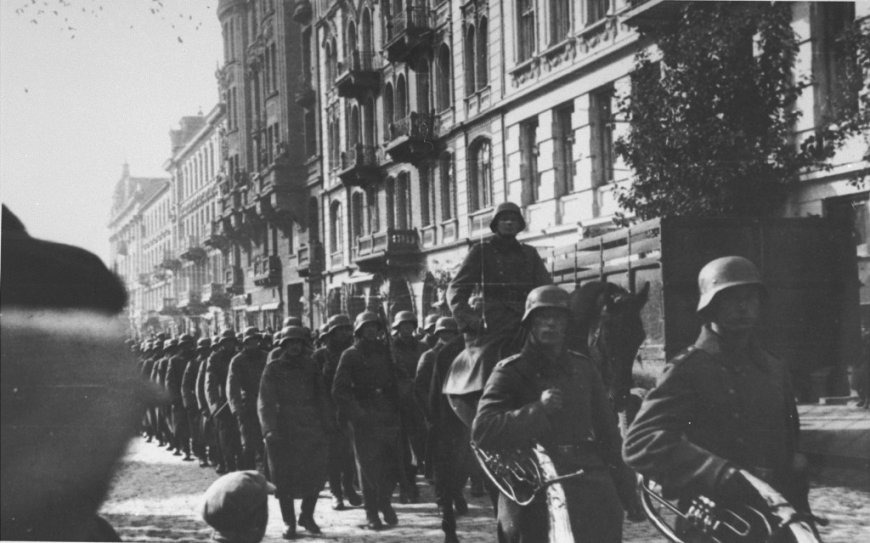
On May 10 1940 Germany launched a invasion across Western Europe, transforming the war and reshaping the continent’s political future. The offensive targeted Belgium, the Netherlands, and Luxembourg, and it quickly overwhelmed defenses while shocking Allied commanders with its speed. At dawn German forces advanced using air and ground tactics, and they exploited weak points along the Allied defensive lines.
Meanwhile paratroopers seized critical bridges and airfields, ensuring rapid movement of armored units and preventing effective resistance from defending troops. Consequently the German strategy bypassed fortified positions, and it rendered static defenses obsolete while creating confusion among Allied leadership circles. Belgium and Netherlands attempted to resist the advance, yet their forces struggled against superior coordination, mobility, and relentless aerial bombardment.
Furthermore German forces utilized the Ardennes forest, a region difficult terrain, and they surprised Allied planners by advancing through it. As a result French and British units found themselves outmaneuvered, and they faced rapidly deteriorating conditions along multiple fronts simultaneously. Then panic spread across populations, and thousands fled their homes as the army created uncertainty and fear throughout the region.
Moreover Allied command struggled to coordinate responses effectively, and communication breakdowns further weakened their ability to mount a cohesive defense. German armored divisions pushed forward with speed, and they cut through supply lines while isolating units that attempted organized resistance. Meanwhile Luftwaffe maintained air superiority, and it disrupted transportation networks while targeting infrastructure essential for Allied logistics and reinforcement efforts.
Subsequently the Netherlands capitulated after intense fighting, and Belgium followed as German forces tightened control over strategic positions across territories. At same time Allied troops retreated toward France, and they attempted to regroup while confronting the growing threat of encirclement. Therefore invasion marked turning point, and it demonstrated effectiveness of rapid warfare tactics would define campaigns during the conflict later.
In addition collapse of defenses shocked observers worldwide, and it raised urgent questions military preparedness and strategic planning among nations. Meanwhile civilians endured hardship and displacement, and they navigated conditions as frontlines shifted and uncertainty dominated daily life across regions. Consequently offensive accelerated the collapse of Western European resistance, and it paved the way for German advances deeper into France.
Ultimately events of May 1940 reshaped course of World War II, and they highlighted the devastating impact of mechanized warfare. Today historians to study invasion closely, and they examine its lessons to understand strategy, leadership, and the consequences of conflict.
[Source: Holocaust]