


























Escalation around Iran and the Gulf
fragile ceasefire at risk as hormuz crisis threatens global supply chains and food security
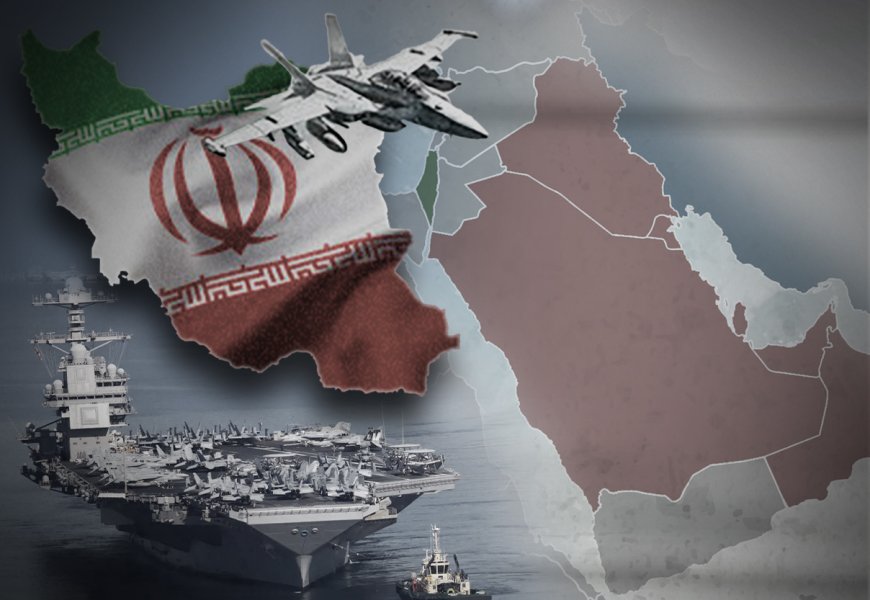
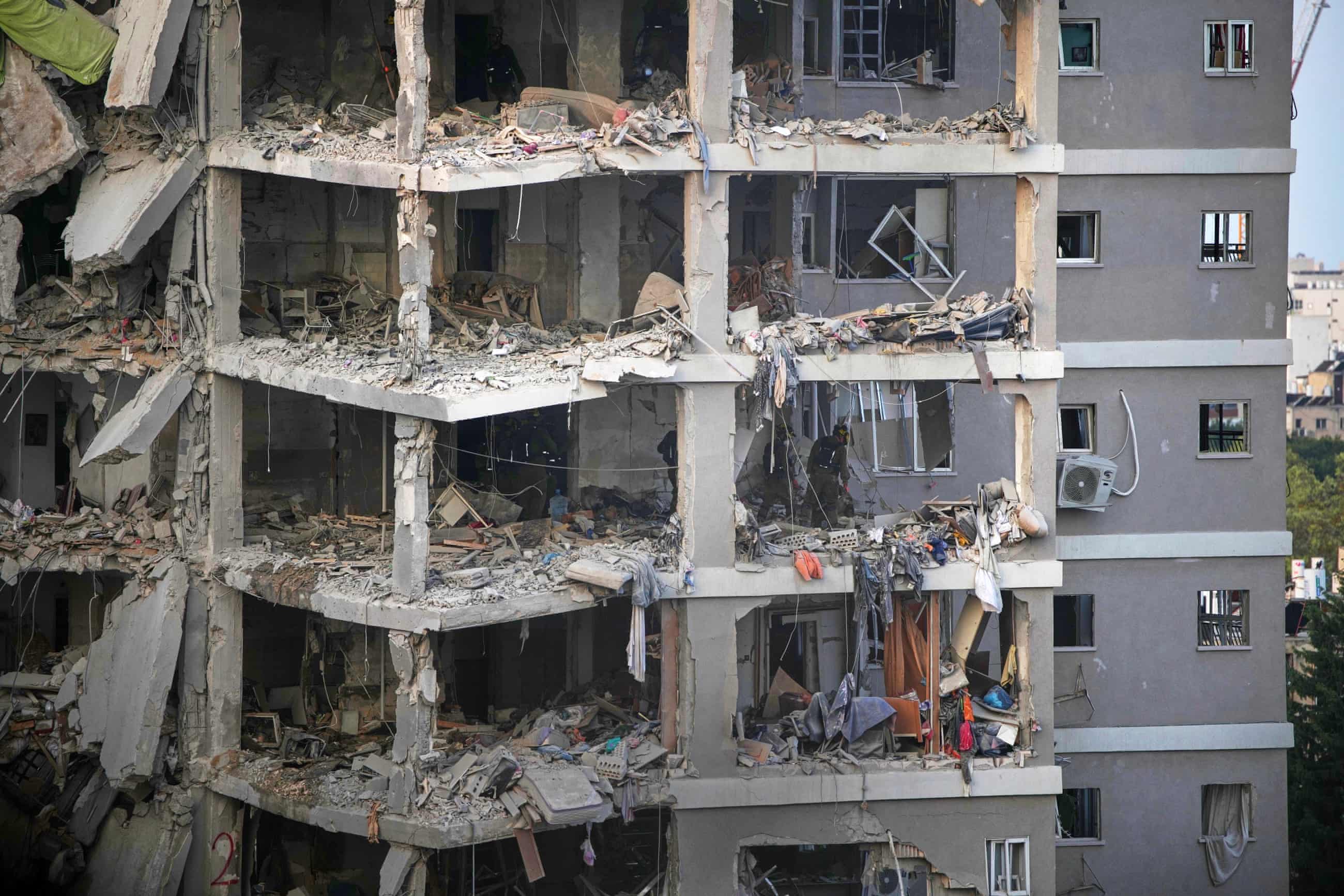
Tensions around Iran and the Gulf remain dangerously high as diplomatic efforts struggle to preserve a fragile ceasefire agreement. Former U.S. President Donald Trump rejected a recent Iranian proposal raising concerns that negotiations could collapse entirely. As a result uncertainty continues to grow while regional actors prepare for potential escalation across an already volatile geopolitical landscape.
At the same time the situation in the Strait of Hormuz has intensified creating ripple effects across global energy and trade systems. The narrow passage handles a significant share of the world’s oil and fertilizer shipments making any disruption immediately felt in international markets. Consequently even partial blockages have driven up shipping risks increased costs and heightened fears of broader economic instability.
According to warnings from the United Nations prolonged disruption in the waterway could trigger severe humanitarian consequences affecting millions of people worldwide. Officials estimate that as many as forty five million individuals may face food insecurity if supply chains remain interrupted over time. Therefore governments and aid organizations are closely monitoring developments while preparing contingency plans to mitigate potential crises.
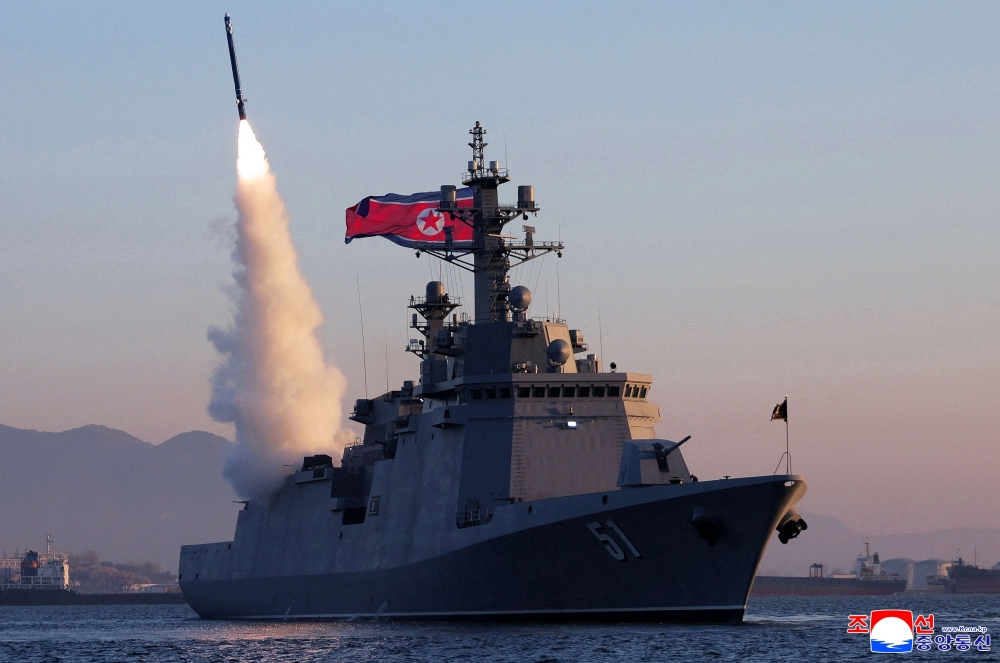
Meanwhile regional military activity has increased as naval forces and allied partners expand patrols to secure shipping lanes and deter further escalation. Analysts note that miscalculation or unintended confrontation could rapidly spiral into a wider conflict involving multiple countries across the region. For this reason diplomatic channels remain critical although progress appears limited amid growing mistrust between key stakeholders.
In addition global markets continue to react nervously with energy prices fluctuating as investors assess the risk of prolonged instability in the Gulf. Import dependent nations face particular vulnerability as disruptions threaten access to essential commodities including fuel and agricultural inputs. As pressure mounts international leaders are urging restraint while calling for renewed negotiations to prevent a deepening crisis.
Ultimately the evolving situation highlights the interconnected nature of regional conflicts and global economic stability as developments in one area quickly affect worldwide systems. The coming days may prove decisive as leaders weigh options between confrontation and diplomacy in a tense and uncertain environment.
[Source: Al Jazeera]