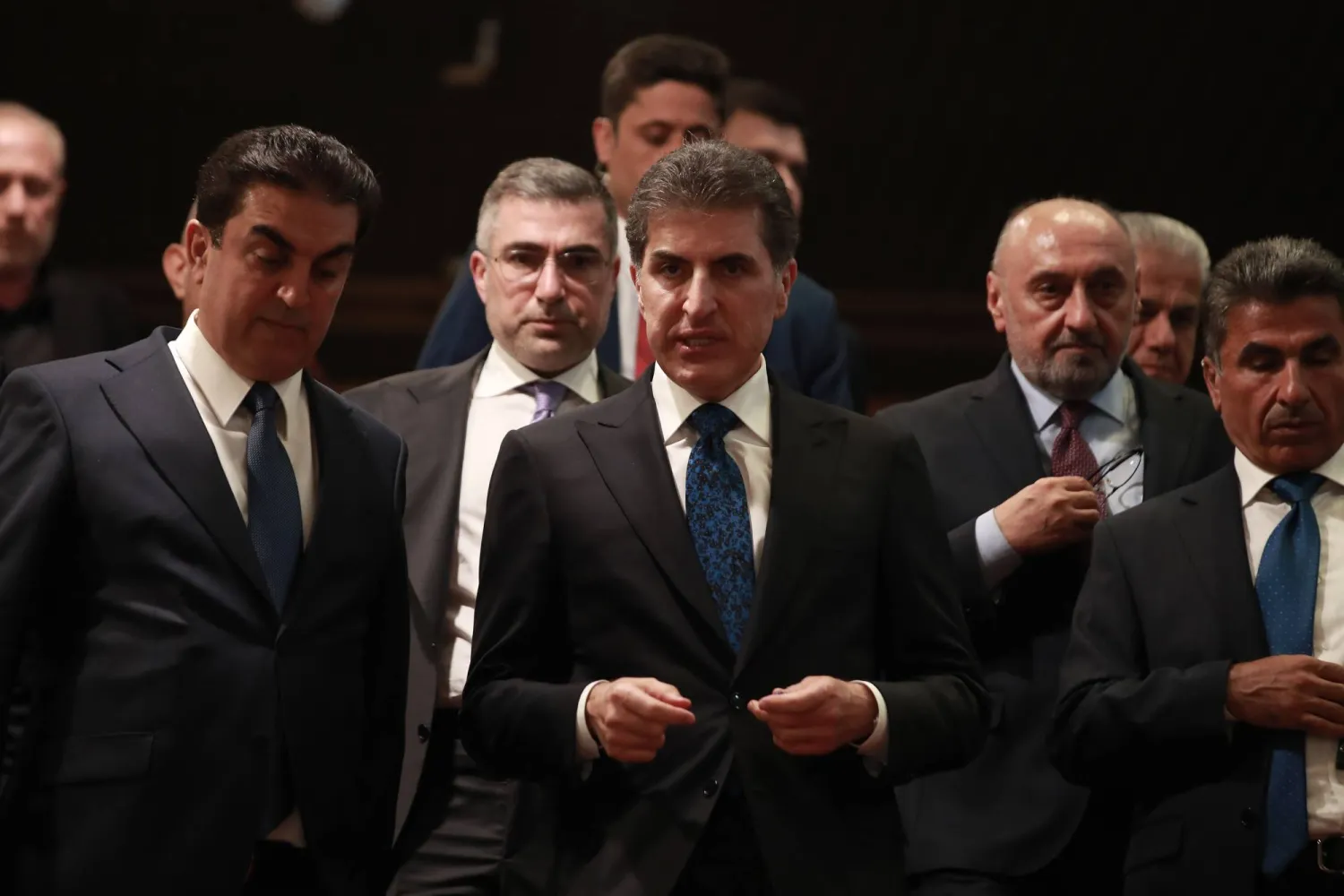



















Nechirvan Barzani walks through Baghdad’s political minefield
Crises in politics are not always resolved through force or shifting balances of power, but often begin when rivals cease viewing one another as enemies to be excluded and instead recognize the possibility of understanding, opening a path that the language of conflict itself could never reach.
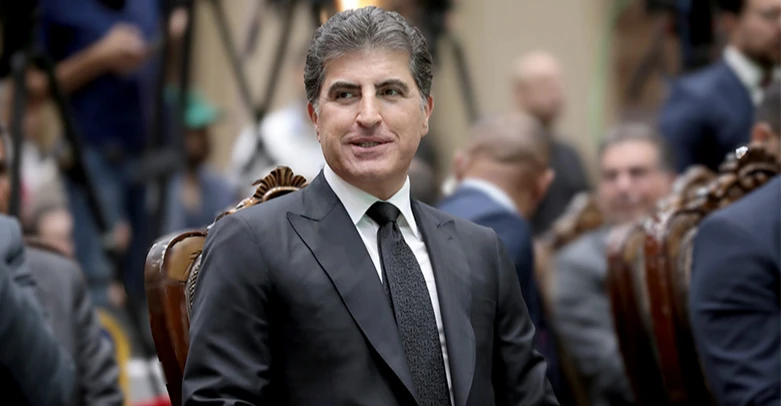
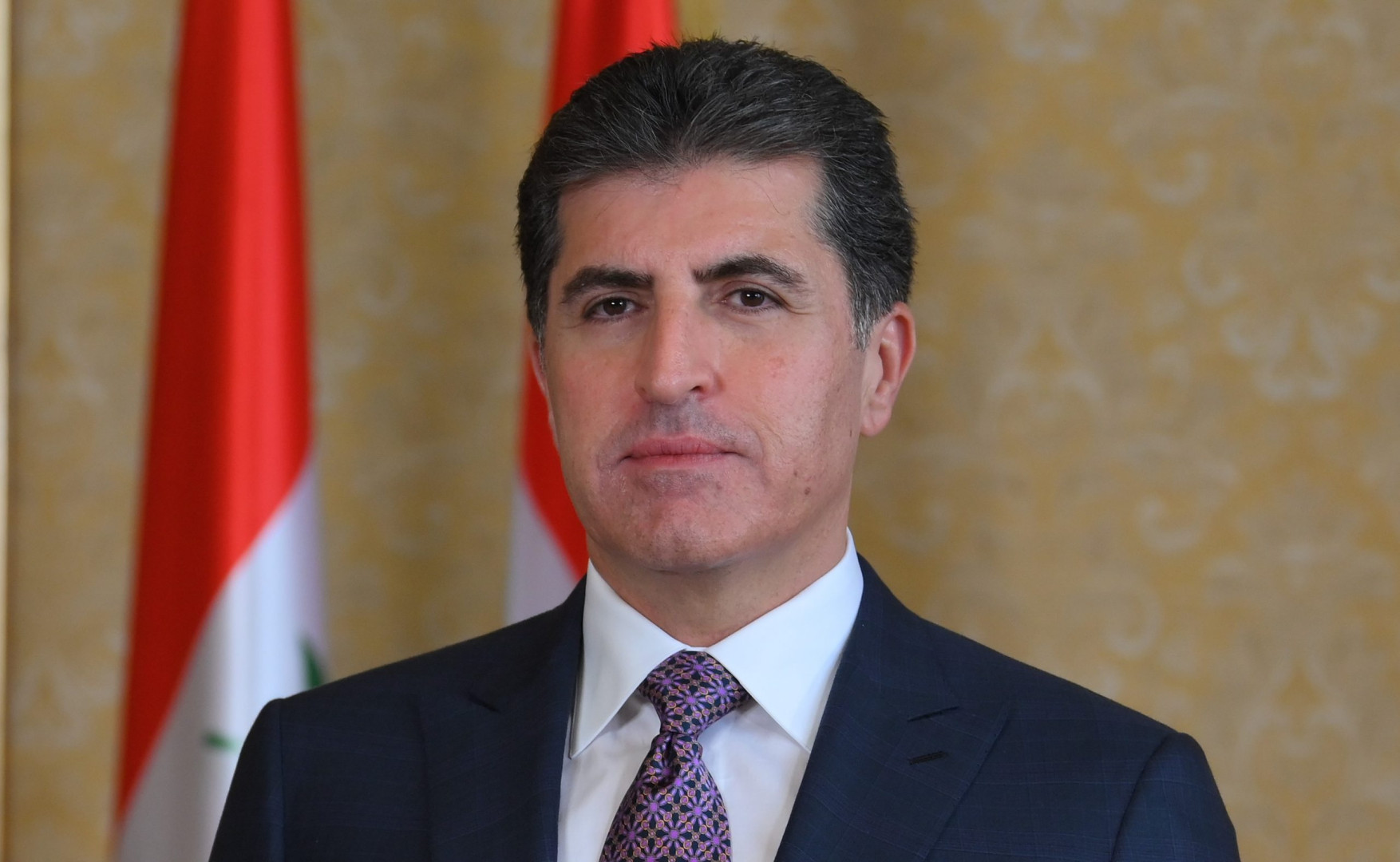
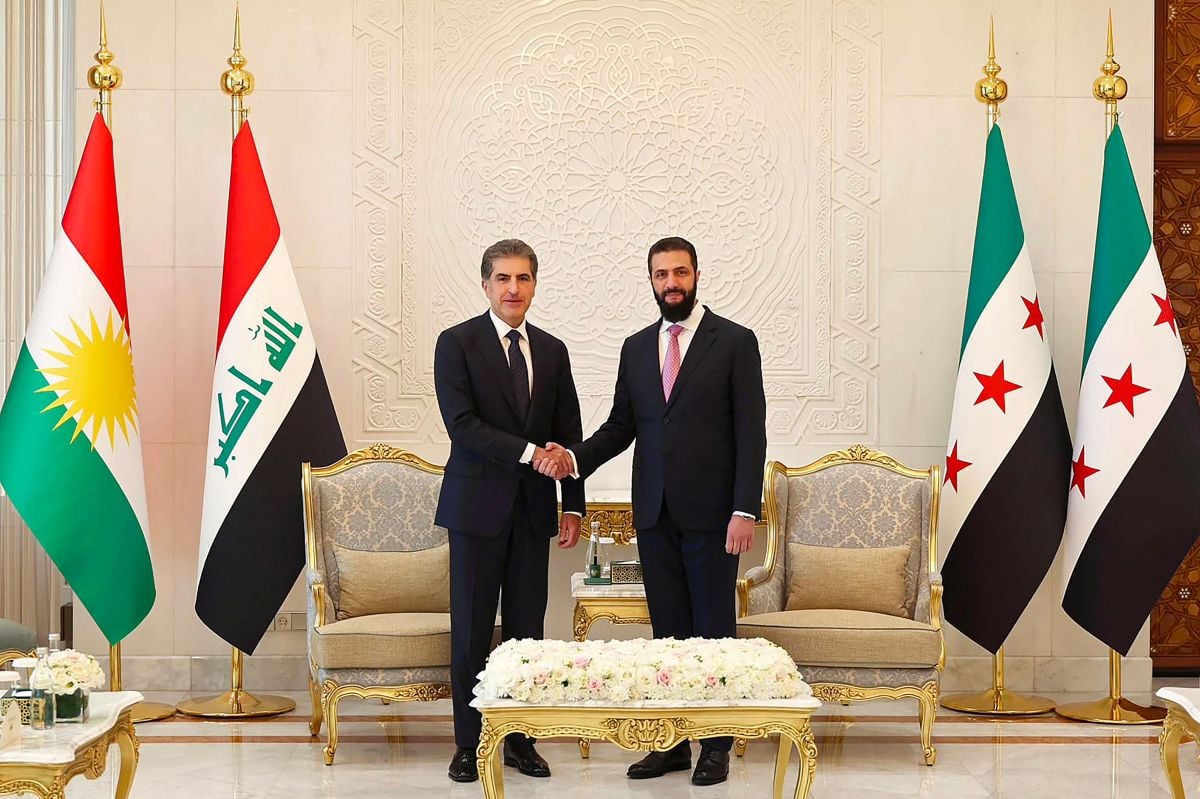
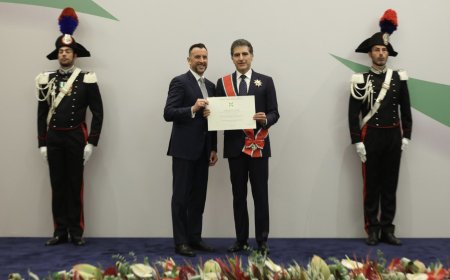
In this context, the recent meetings held on May 4 and 5 by Kurdistan Region President Nechirvan Barzani can be seen as an effort to reshape relations between Baghdad and Erbil, reflecting not merely diplomatic engagement but a broader attempt to move from zero-sum confrontation toward practical consensus at a time of mounting financial pressures, rising populism, and shrinking public space in both the Region and the Iraqi capital, with the initiative signaling a search for realistic solutions to long-standing disputes away from the easy rhetoric of escalation.
For years, a conviction prevailed among some political actors that Baghdad responds only to the pressure of power balances. Such a reading is rooted in historical experiences where the logic of force often prevailed over the rule of law, yet major transformations, particularly during critical periods, are frequently shaped in the space between public emotion and political rationality. While the former mobilizes the street, the latter remains more capable of protecting the state and ensuring its continuity.
From this perspective, the Kurdistan Region Presidency’s adoption of a calm institutional discourse appears to represent an attempt to shift from emotional demands toward a realistic management of constitutional rights. This transformation is not without challenges, particularly in a political environment accustomed to sharp rhetoric, where de-escalation may be perceived as retreat or weakness, even though it may in fact reflect a more pragmatic reading of the balance of power. Such pragmatism is especially urgent for a people like the Kurds, who have spent more than a century caught in cycles of war, identity struggles, and the search for guarantees.
Historical experiences offer important examples in this regard. The path of Nelson Mandela in South Africa demonstrated that preserving stability may require moving beyond the language of revenge in favor of coexistence. In modern Kurdish history, the general amnesty declared after the 1991 uprising against Saddam Hussein’s Baath regime stands out as one of the clearest examples of overcoming political hatred. The decision taken by the leadership of the Kurdistan Front –a coalition of Kurdish parties established in 1987-1988 in Iraq– led by the late Jalal Talabani and Masoud Barzani, was not merely an administrative measure, but a historic turning point that helped prevent a wide cycle of retaliation and made tolerance the foundation for building a new political entity rather than turning memory into fuel for endless conflict.
Today, Nechirvan Barzani represents, within this equation, a model of measured diplomacy. Rather than appearing through the language of threats and elevated nationalist slogans, he opts for the language of shared interests, constitutional frameworks, and gradual understandings. Although this model faces considerable obstacles within Kurdistan due to the weight of a bloody history and the growing influence of populism, it is natural that part of Kurdish society may view such diplomatic language as a form of retreat or inadequacy.
Yet amid the rubble of missed opportunities, Nechirvan Barzani remains, in his characteristic manner, focused on conveying an important message to the younger generation: the most difficult test is not always fighting wars, but building peace and preventing collapse.
History rarely lingers on those who hurled the greatest number of insults at their opponents, but rather on those who succeeded in extracting peace from the heart of hostility. What Nechirvan Barzani is doing in Baghdad and regional capitals resembles the work of an architect building in a minefield, preoccupied with preserving a political entity called the Kurdistan Region. Such an undertaking requires a kind of courage unafraid of being accused of weakness.
Despite the rise of extremism and emotional politics, the course of history appears to be moving toward the model championed by Nechirvan Barzani and those who share this approach: a transition from the equation of imposing one’s will toward strategic integration, in a way that could make the Kurdistan Region a more stable entity within Iraq amid an ongoing struggle shaped by questions of existence and identity.
[Source: Shafaq News English]