

























Egypt and Algeria deepen energy cooperation with new oil trade agreement
deal highlights growing regional coordination despite ongoing political complexities
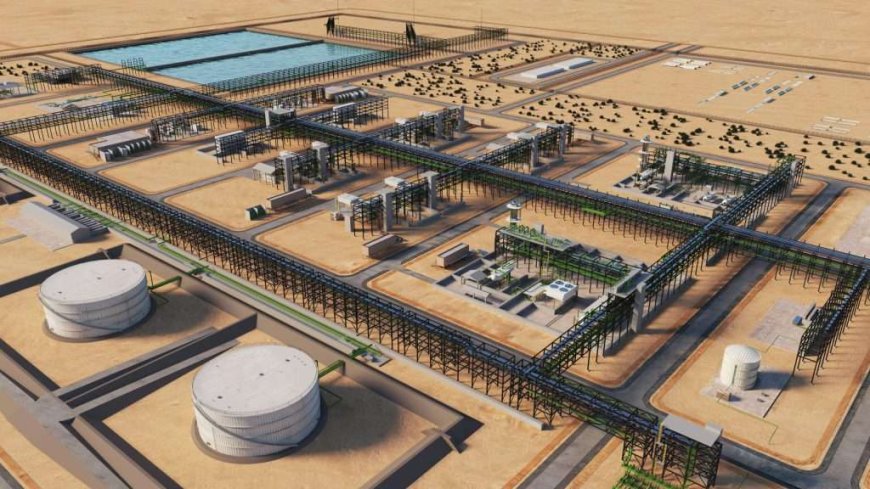
Egypt and Algeria have taken a significant step toward closer economic ties by signing a new agreement to expand oil trade and energy cooperation. The move reflects a broader effort to enhance coordination between key energy producers in North Africa.
The agreement brings together Egypt and Algeria in a partnership designed to strengthen supply chains and improve energy security. Officials from both countries emphasized the importance of collaboration in a rapidly evolving global energy landscape.
Under the deal both sides plan to increase oil trade volumes while exploring opportunities for joint projects and technical cooperation. This approach aims to maximize efficiency and ensure more stable access to energy resources across the region.
Energy security remains a central concern for governments, particularly as global markets face volatility driven by geopolitical tensions and supply disruptions. By working together Egypt and Algeria seek to reduce vulnerabilities and build more resilient systems.
The agreement also signals a growing trend of intra-regional cooperation among North African and Middle Eastern countries. Nations are increasingly looking to neighboring partners to secure resources and strengthen economic ties.
Despite this progress, political dynamics across the region remain complex and sometimes unpredictable. However energy cooperation often provides a practical pathway for collaboration even when broader political challenges persist.
Analysts note that such agreements can contribute to long-term stability by fostering interdependence and shared economic interests. Increased coordination may also enhance the region’s influence in global energy markets.
Ultimately the partnership between Egypt and Algeria demonstrates how strategic cooperation can advance mutual goals. The deal highlights a shift toward regional solutions as countries navigate uncertainty in the international energy environment.
[Source: Maghrebi.org]