




/file/dailymaverick/wp-content/uploads/2023/10/CovidGrant-1.jpg)





































Siam officially reverts to Thailand, reinforcing national identity
Government Restores Historic Name to Emphasize Unity and Cultural Identity
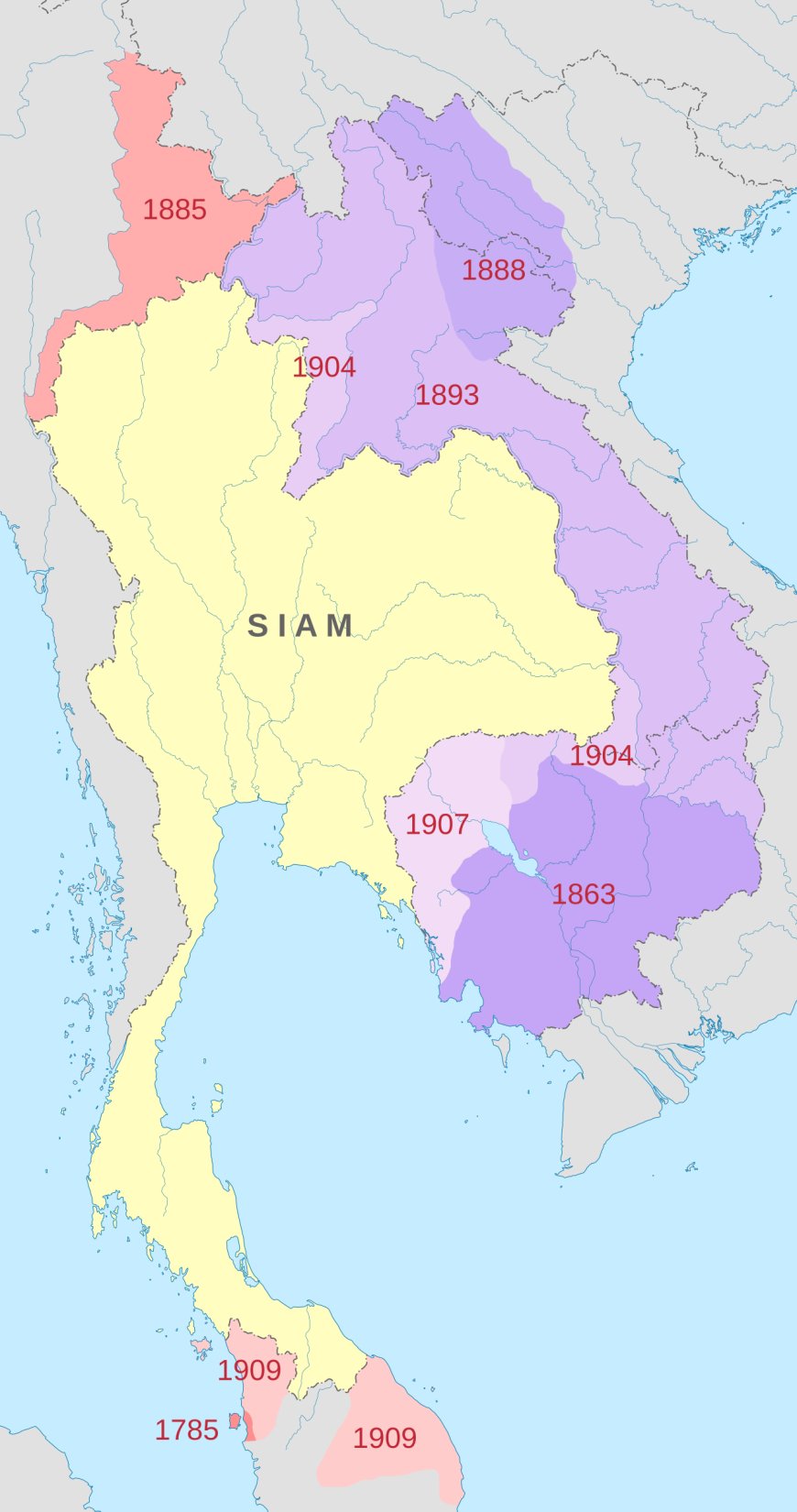
On May 11 1949 Thailand officially resumed the name Thailand, marking a significant shift in national identity and political direction. The change followed a brief period during which the country had reverted to the name Siam amid internal transitions.
Government leaders approved the renaming to reflect a stronger sense of unity, and they emphasized the cultural meaning tied to the word Thailand. The term translates roughly to “land of the free,” and it symbolizes independence and pride within the nation.
Previously the country had adopted the name Siam during a transitional political phase, and it reflected differing views about national identity. However officials ultimately decided that returning to Thailand would better represent the country’s modern direction and aspirations.
The renaming also aligned with broader efforts to consolidate national identity following political changes and wartime disruptions. Leaders sought to promote cohesion among diverse populations, and they viewed the restored name as a unifying symbol.
Moreover the decision carried international implications, as governments and institutions updated diplomatic recognition and official references to the country. The move reinforced Thailand’s position on the global stage and clarified its identity in foreign relations.
At the same time the restoration highlighted the importance of language and symbolism in shaping national narratives and political legitimacy. Citizens gradually embraced the name Thailand, and it became firmly established in both domestic and international usage.
Ultimately the 1949 decision marked a defining moment in the country’s modern history, and it underscored the role of identity in state development. Today Thailand continues to build on that legacy, and it remains one of Southeast Asia’s most prominent and culturally rich nations.
[ Source: Thailand magazine]