

































British capture Charleston deals major blow to American forces
Strategic defeat reshapes southern campaign during revolutionary war
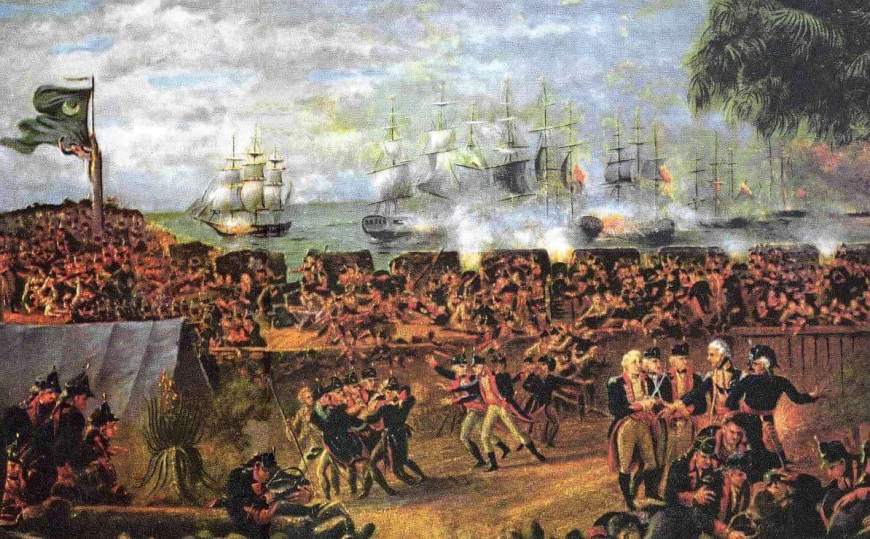
British forces captured Charleston South Carolina in 1780 delivering a defeat to American revolutionaries and altering the southern campaign significantly. The surrender marked one of the worst losses for the Continental Army and gave Britain strategic momentum across southern colonies. After a prolonged siege British commanders tightened their grip around the city forcing American defenders into an increasingly desperate situation.
General Benjamin Lincoln led American forces but struggled to maintain supplies and coordination as British troops advanced steadily forward dangerously. Meanwhile British commander Henry Clinton directed operations with discipline ensuring naval support and reinforcements strengthened siege positions around Charleston. As weeks passed American defenses weakened under constant bombardment food shortages and disease reducing morale among soldiers and civilians alike.
Eventually British forces breached fortifications and forced negotiations leaving Continental leaders with few options except surrendering the important port city. The fall resulted in thousands of American troops captured marking a blow to patriot military strength in the southern theater. British leaders viewed victory as an opportunity to rally Loyalist support and reassert control over rebellious colonies throughout the region.
However resistance did not end as guerrilla fighters and militia units continued harassing British supply lines and challenging their authority. Leaders like Nathanael Greene later reorganized American forces adopting flexible strategies that gradually eroded British advantages across the southern countryside. The defeat at Charleston exposed weaknesses in American command structure and highlighted the need for improved coordination among revolutionary leaders.
News of the loss spread causing concern among patriot supporters while British officials celebrated they believed would secure southern dominance. Despite optimism British forces soon faced persistent resistance and logistical challenges that undermined their ability to maintain long term control. The campaign evolved into a protracted struggle where mobility local support and strategic adaptation determined outcomes more than battlefield engagements.
Ultimately American forces recovered from setbacks and regained momentum leading to victories that would eventually secure independence from British rule. Historians regard Charleston as a cautionary example of overextended defenses and the consequences of failing to anticipate coordinated enemy operations. Today the event remains a moment in the Revolutionary War illustrating both the challenges and resilience that defined the struggle.
[Source: Americanrevolution.org]