























Macron seeks new partnerships at Africa summit in Nairobi
France aims to reset relations beyond colonial legacy and rebuild influence across the continent
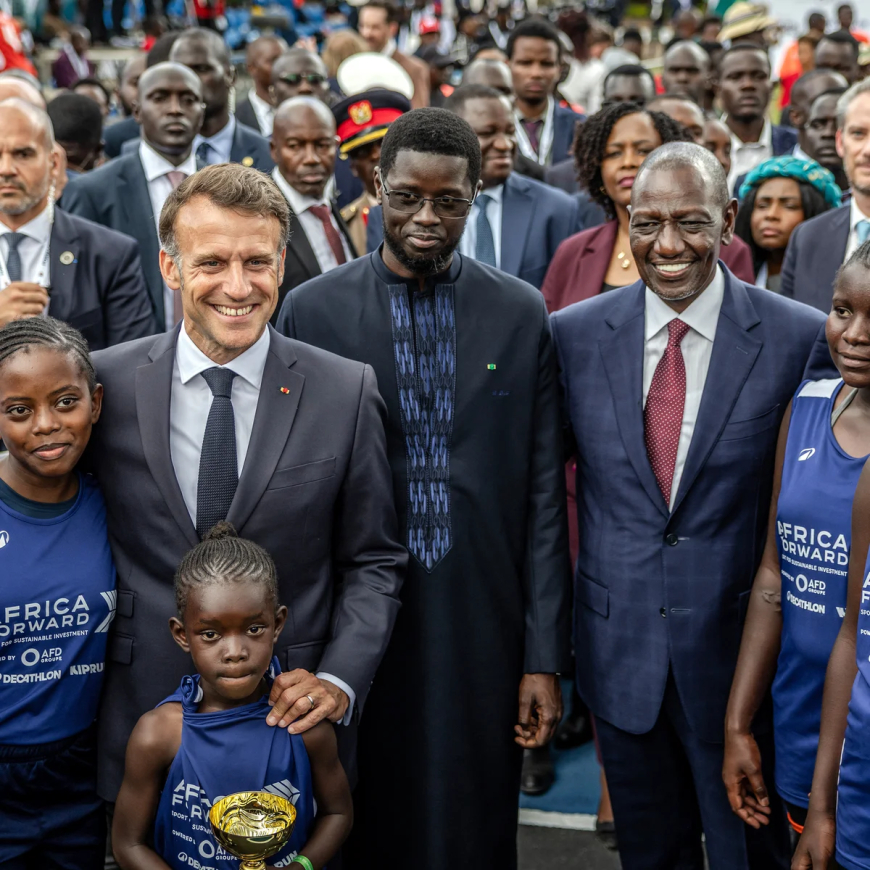
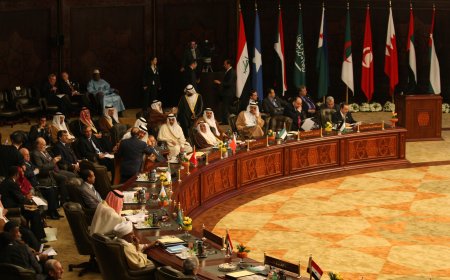
Nairobi hosted a major Africa summit where Emmanuel Macron sought to rebuild France’s influence across the continent. More than thirty African leaders gathered alongside international partners signaling a shift in diplomatic engagement and a push toward broader cooperation. The event marked the first time the long running France Africa summit convened in a non francophone country reflecting changing geopolitical dynamics.
William Ruto welcomed delegates emphasizing mutual respect shared responsibility and the importance of delivering concrete outcomes through renewed partnerships. Macron echoed this message stressing that future cooperation must rely on equality shared interests and practical results rather than historical ties. Together both leaders presented the gathering as a turning point in redefining relations between France and African nations.
The summit titled Africa Forward brought together representatives from the African Union financial institutions and development sectors to address pressing global and regional challenges. Discussions focused on energy transition peace and security and reforms to the international financial system affecting developing economies. In addition organizers hosted workshops on youth innovation creative industries and sports to foster deeper collaboration beyond traditional diplomacy.
Analysts interpret the summit as a strategic effort by France to expand its influence beyond its former colonies in west and central Africa. For decades France maintained close political and military ties through policies often described as Françafrique which shaped regional power structures. However recent political upheavals and growing anti French sentiment have weakened those relationships and forced Paris to reconsider its approach.
Since 2022 France has withdrawn military forces from countries including Mali Niger and Chad following diplomatic tensions and demands from new governments. These developments reflected broader resistance to perceived external influence and accusations of neocolonialism directed at France. Consequently policymakers in Paris have sought alternative partnerships emphasizing economic cooperation and shared development goals.
Experts argue that hosting the summit in Kenya highlights a deliberate shift toward anglophone Africa and signals a desire to diversify diplomatic engagement. They note that France aims to reframe its presence as collaborative rather than hierarchical focusing on trade innovation and multilateral cooperation. This repositioning comes as global competition for influence in Africa intensifies among major powers seeking strategic alliances.
For Kenya the summit reinforces its ambition to act as a regional diplomatic hub and reliable international partner under Ruto’s leadership. The country has recently led initiatives such as a multinational security mission in Haiti and hosted a major climate summit attracting global attention. These efforts strengthen Kenya’s role as a convening platform for international dialogue and cooperation across diverse sectors.
France and Kenya have also deepened bilateral ties through a defense agreement that has drawn criticism from opposition groups concerned about sovereignty issues. Earlier this year French military personnel arrived in Kenya to participate in joint training exercises and security cooperation programs. Despite controversy both governments maintain that such collaboration enhances regional stability and strengthens mutual security capabilities.
Macron acknowledged tensions in west Africa while downplaying the absence of certain governments and emphasizing engagement with people rather than political leaders. He highlighted participation from academics artists and entrepreneurs as evidence of enduring cultural and societal connections between France and Africa. Ultimately the summit reflects an evolving strategy as France attempts to rebuild trust and redefine its role within a rapidly changing geopolitical landscape.
[Source: The Guardian]