


/file/dailymaverick/wp-content/uploads/2023/10/CovidGrant-1.jpg)



































The Kenya refinery plan by Aliko Dangote
Africa’s richest businessman signals a major shift in regional energy power dynamics
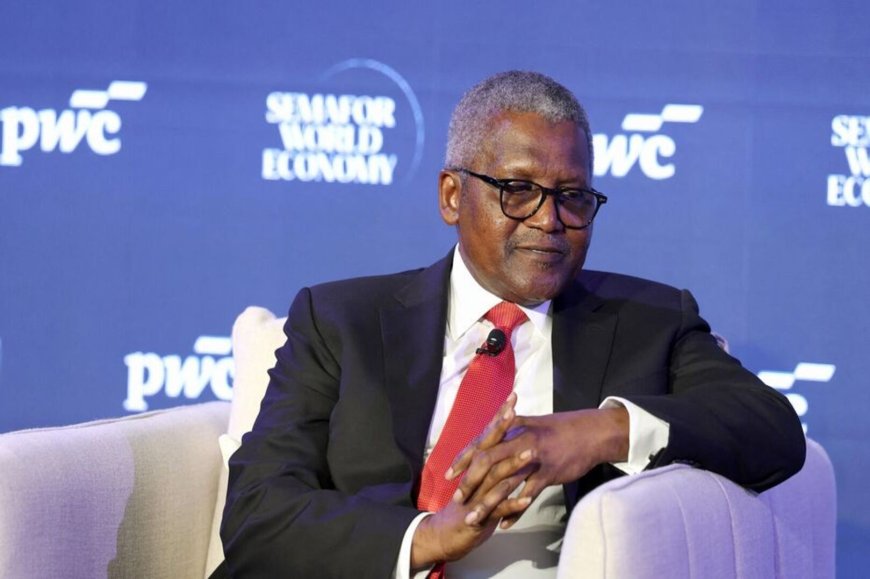
Africa’s richest businessman, Aliko Dangote, is planning a major new oil refinery in Kenya, signaling a significant shift in regional energy influence. The proposed project reflects growing ambitions to expand refining capacity within Africa and reduce reliance on imported petroleum products across the continent. As a result, industry analysts expect the move to reshape supply chains and strengthen local energy independence in East Africa.
Meanwhile, the planned refinery would build on Dangote’s experience with large-scale energy infrastructure, particularly following the launch of his massive refinery project in Nigeria. That facility, considered one of the largest in the world, has already begun altering fuel markets by increasing domestic production and lowering import dependency. Consequently, the Kenya project could replicate similar outcomes, positioning the country as a key refining hub in the region.
Furthermore, Kenya’s strategic location along the Indian Ocean provides direct access to major shipping routes, making it an attractive site for refining and distribution operations. In addition, the project could support regional economies by creating jobs, improving fuel availability, and stabilizing prices across neighboring countries. Therefore, governments in East Africa are closely watching developments as they assess potential partnerships and long-term economic benefits.
However, the ambitious plan also faces challenges, including financing requirements, regulatory approvals, and infrastructure development needed to support such a large facility. Environmental concerns and community impact assessments will likely play a critical role in determining the project’s timeline and scope moving forward. Nevertheless, Dangote’s track record suggests a strong capacity to navigate complex industrial projects across multiple sectors.
At the same time, global energy markets are undergoing significant transformation, with increasing pressure to balance fossil fuel investments against renewable energy transitions. This context adds another layer of complexity, as policymakers weigh immediate energy needs against long-term sustainability goals. As a result, the Kenya refinery project may become a focal point in broader debates about Africa’s energy future.
Ultimately, Dangote’s planned investment highlights a broader shift toward regional self-sufficiency and industrial growth within Africa’s energy sector. If completed successfully, the refinery could redefine energy flows, strengthen economic resilience, and elevate Kenya’s role in continental energy markets. Thus, the project stands as a pivotal development with far-reaching implications for trade, investment, and energy security across Africa.
[Source: EXPATS News]