
/file/attachments/orphans/20260727_161456_495910.jpg)
























Benjamin Netanyahu rejects United States peace proposal for Gaza
Israeli leadership demands complete disarmament of Hamas before withdrawing military forces from Gaza
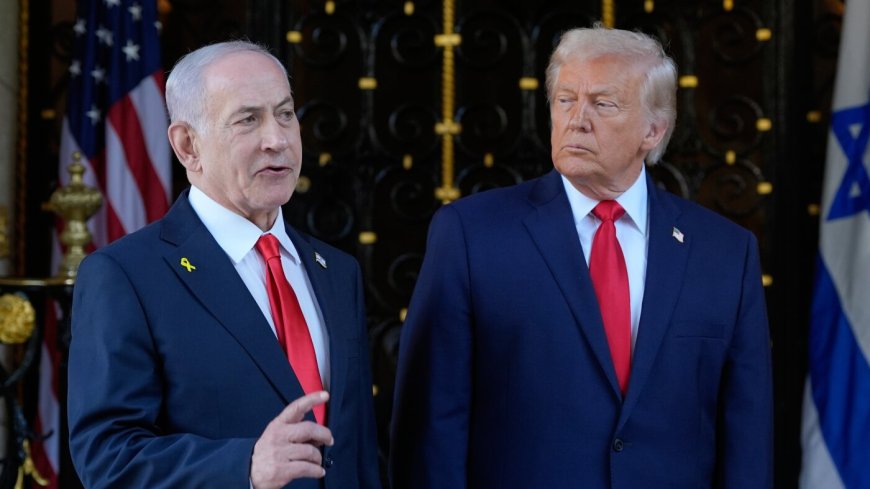
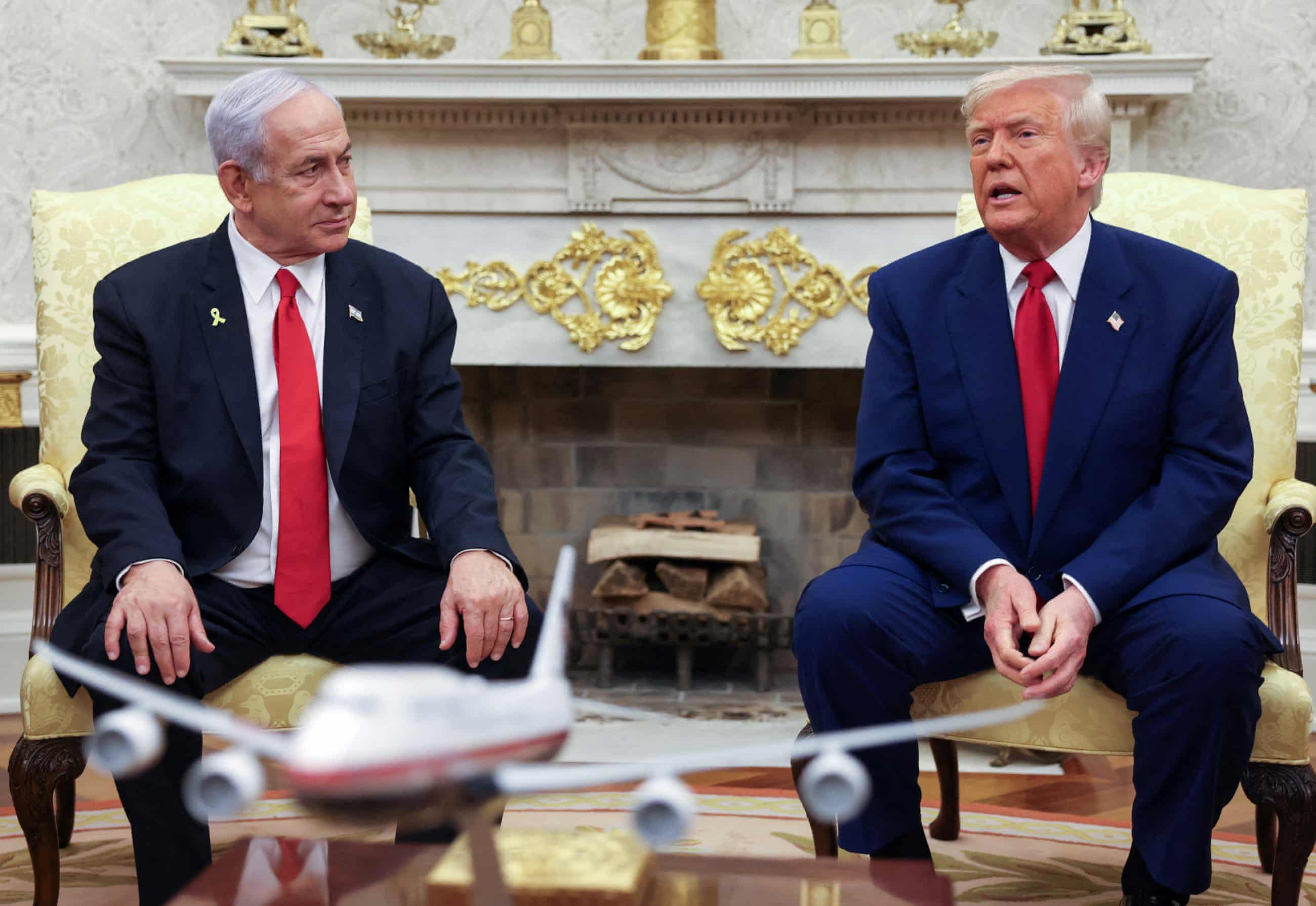
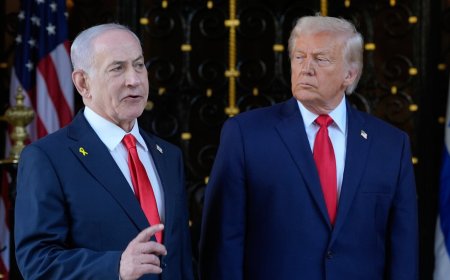
Benjamin Netanyahu officially rejected a fifteen point American peace proposal during a contentious cabinet meeting earlier today in central Jerusalem. Consequently, this dramatic decision creates a sharp public rupture between senior Israeli officials and top American diplomatic negotiators in Washington. Furthermore, the prime minister insisted that Israeli soldiers will remain inside Gaza until Hamas surrenders all its remaining heavy weapons.
Meanwhile, Washington officials previously promoted this comprehensive framework as a major breakthrough toward ending the long regional conflict this year. However, Israeli leadership firmly maintains that any premature military withdrawal would severely undermine national security and public safety interests overall. Therefore, military commanders plan to maintain strategic positions while continuing operational strikes against active insurgent targets throughout the coastal enclave.
Additionally, Netanyahu emphasized that Israeli security forces require full and verified disarmament covering both heavy and light weaponry across Gaza. In contrast, Hamas officials demand an immediate end to foreign military strikes before discussing any disarmament mechanisms or detailed timelines. Consequently, this fundamental disagreement over sequence presents an extraordinary obstacle for international mediators seeking a lasting peace agreement right now.
Furthermore, American diplomats had hoped that international stabilization forces could replace Israeli units after implementing phased security arrangements across Gaza. However, Israeli ministers flatly rejected any reliance on foreign peacekeeping troops to protect civilian communities near the southern border fence. Instead, top government leaders insist that Israeli forces must retain total operational freedom to neutralize emerging security threats independently always.
Additionally, Netanyahu reiterated his firm opposition to establishing an independent sovereign Palestinian state in Gaza or the West Bank today. Moreover, political analysts suggest this sharp rhetoric aims to reassure conservative coalition partners during delicate internal political debates in Jerusalem. Meanwhile, regional allies urge all participating parties to maintain active communication channels to prevent further dangerous military escalation in Gaza.
Consequently, humanitarian organizations express deep concern about extended military operations impacting vulnerable civilian populations throughout the crowded coastal Gaza enclave. Furthermore, international agencies report that ongoing insecurity severely hinders essential aid delivery across affected southern and northern Gaza territories now. Therefore, global leaders call for immediate humanitarian access alongside sustained diplomatic efforts to resolve the ongoing complex regional security crisis.
Eventually, diplomats in Washington expect further negotiations to resume as both sides evaluate their respective strategic political options moving forward. Meanwhile, military forces remain on high alert along border perimeter zones while government officials prepare additional policy statements concerning security. Finally, international observers monitor the situation closely as national leaders attempt to bridge this major diplomatic divide during coming weeks.