

/file/attachments/2996/04ED_610405_518242.jpg)


/file/dailymaverick/wp-content/uploads/2023/10/CovidGrant-1.jpg)

































North Africa migration and security pressures intensify regional challenges
evolving migration routes and counterterrorism strategies reshape ties with Europe
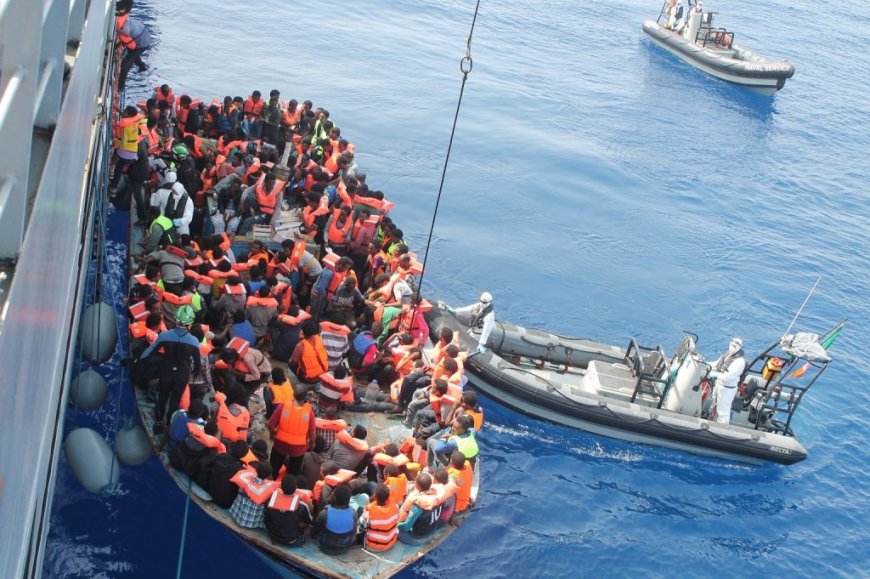
North Africa faces rising migration flows and mounting security challenges, shaping regional dynamics and deepening strategic ties with European partners. These interconnected pressures are transforming policy responses, as governments coordinate border control measures while confronting instability across key transit corridors. As a result, migration management, counterterrorism efforts, and diplomatic engagement increasingly overlap, creating landscape requiring coordinated regional and international action.
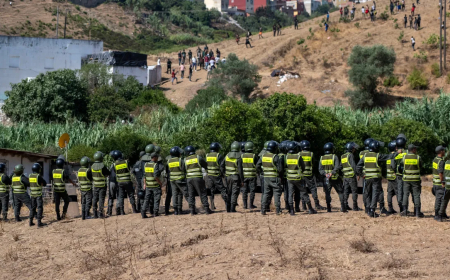
Libya remains the primary departure point for migrants seeking to cross the Mediterranean, despite ongoing political divisions and fragile security conditions. Smuggling networks continue exploiting weak governance structures, enabling thousands of migrants to attempt dangerous sea journeys toward southern European shores annually. Consequently, regional authorities and international partners are prioritizing maritime surveillance and interception operations to limit irregular crossings and reduce humanitarian risks. Meanwhile, Tunisia and Algeria are experiencing increased migration activity, reflecting shifting routes as enforcement measures intensify along traditional pathways in Libya. Authorities in both countries are adapting quickly, strengthening coastal patrols while expanding cooperation with European institutions focused on migration management strategies. At the same time, economic pressures and social instability continue driving migration, highlighting the persistent gap between security enforcement and underlying structural challenges.
In parallel, counterterrorism efforts across North Africa are expanding, particularly in Morocco, where authorities are advancing a comprehensive security model internationally. This approach emphasizes intelligence sharing, community policing, and proactive disruption of extremist networks, aiming to prevent threats before they materialize domestically. Furthermore, Morocco is strengthening partnerships with European and African countries, promoting its strategy as an effective framework for addressing evolving security threats. As migration and security concerns converge, European governments are deepening engagement with North African states through funding, training programs, and joint initiatives. These partnerships aim to enhance border security while addressing terrorism risks, although critics argue they sometimes overlook human rights considerations and migrant protections. Nevertheless, cooperation continues expanding, reflecting shared interests in stability, economic resilience, and reducing irregular migration flows toward European territories.
Ultimately, North Africa’s position as a migration hub and security focal point ensures its continued importance within broader geopolitical and strategic calculations. Policymakers increasingly recognize that sustainable solutions require balancing enforcement measures with development initiatives addressing root causes of displacement and instability. Therefore, the region remains central to ongoing debates about migration governance, counterterrorism coordination, and the future of relations between Europe and North Africa.
[Source: Atlantic Council]