






















Fatal air crash eliminates top leadership in Pakistan
Unexplained C-130 tragedy reshapes South Asian power dynamics

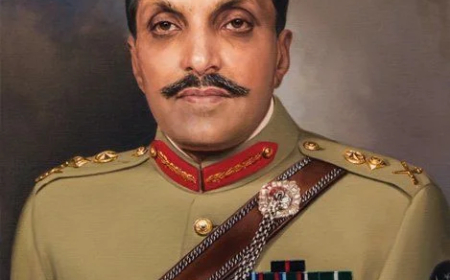
The sudden death of Pakistani President Muhammad Zia-ul-Haq in a mysterious C-130 aircraft crash near Bahawalpur permanently altered the geopolitical landscape of South Asia. This devastating incident also killed top military leaders alongside US Ambassador Arnold Raphel. The shocking event immediately ended eleven years of military dictatorship and ushered in civilian rule under Benazir Bhutto.
The presidential C-130 transport plane departed normally from the airport after military officials observed tank demonstrations. Air traffic controllers suddenly lost contact with the flight crew just minutes after takeoff into clear skies.Ground witnesses observed the huge aircraft pitching wildly in the air before diving sharply into the earth.
Investigators found completely destroyed wreckage scattered over a wide area near the Sutlej River. Authorities confirmed that all thirty passengers and crew members died instantly during the high-speed impact. General Akhtar Abdur Rahman and Brigadier General Herbert M. Wassom also perished inside the ruined VIP cabin.
Official crash reports suggested possible deliberate sabotage rather than simple mechanical failure. Investigators suspected that hidden explosive devices or poisonous nerve gas disabled the flight crew in mid-air. However, government agencies never identified specific perpetrators or released conclusive evidence explaining the catastrophic control loss.
Senate Chairman Ghulam Ishaq Khan quickly assumed executive power as acting president following the constitutional procedure. The military high command decided against declaring fresh martial law across the volatile nation. Instead, military leaders permitted democratic national elections to proceed on schedule later that same year.
Voters subsequently elected Benazir Bhutto as prime minister, marking a dramatic return to democratic governance. Her historic election established the first female government leader within the modern Islamic world. This unexpected leadership change redefined regional diplomacy during the critical closing stages of the Soviet-Afghan War.
[Source: History Pak]