




















Soviet leaders detain Mikhail Gorbachev in historic political takeover
Hardline communist faction attempts full control while accelerating global geopolitical collapse
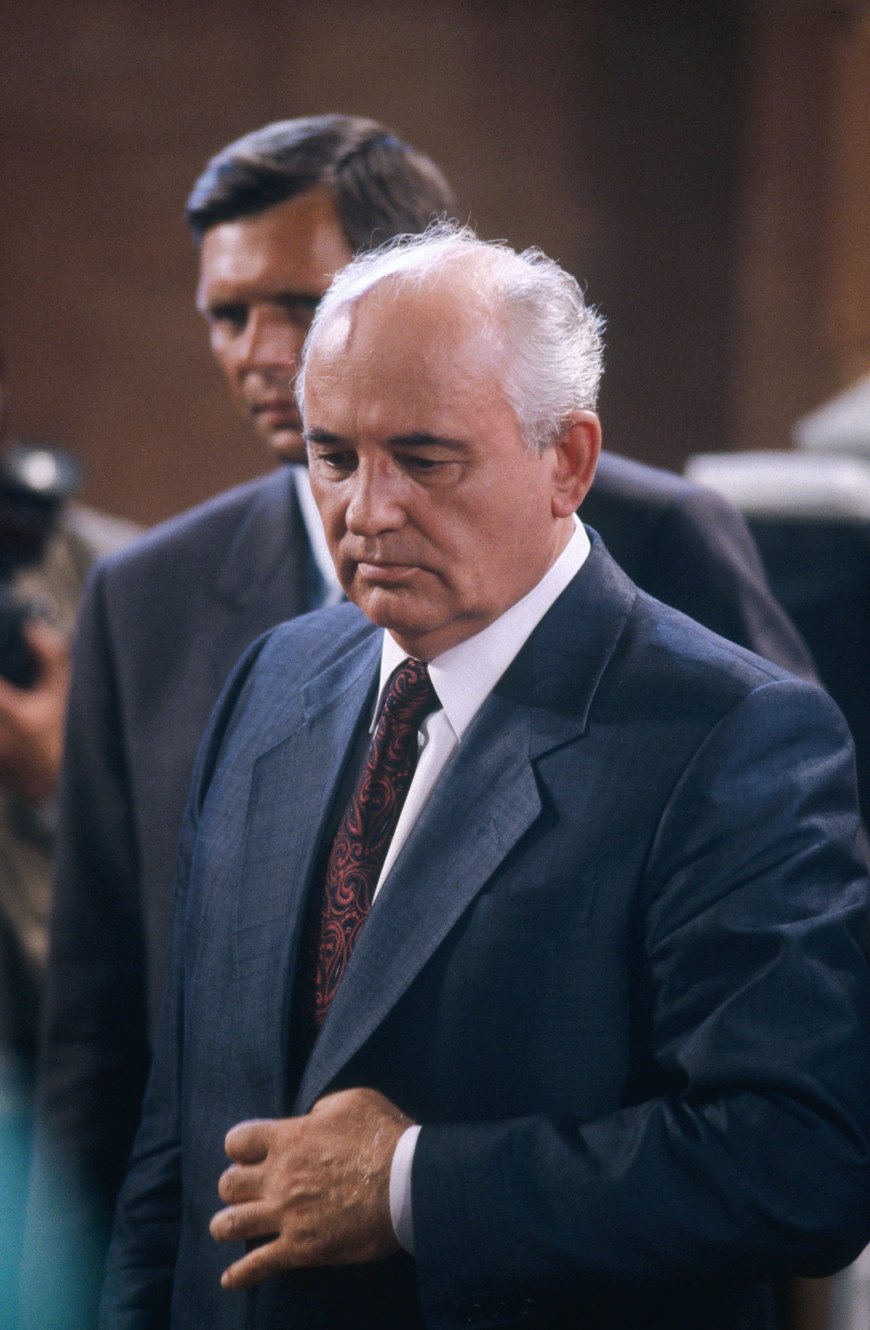
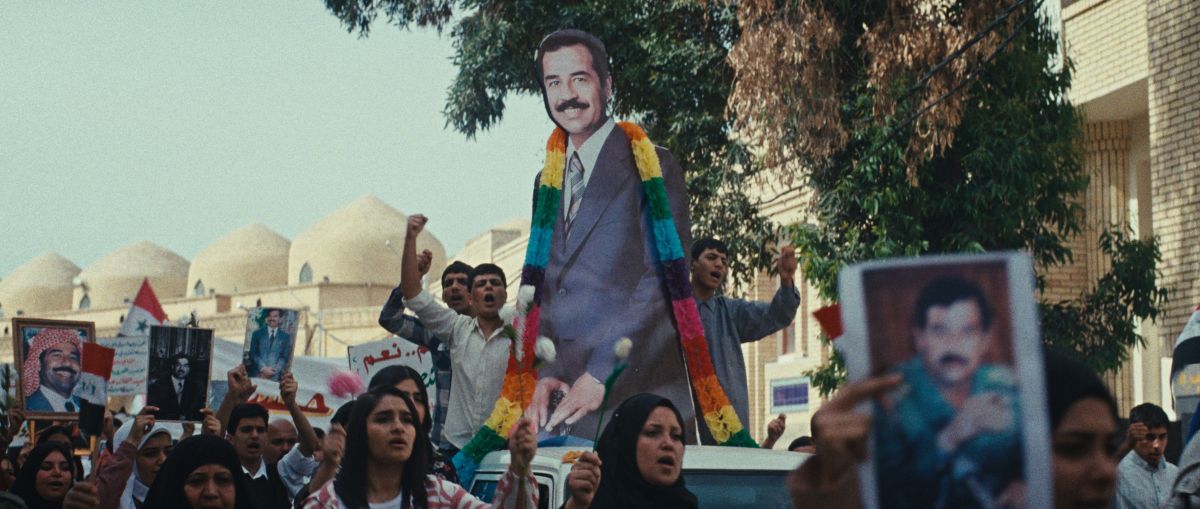
In August nineteen ninety-one hardline communist officials seized power in Moscow and placed Soviet president Mikhail Gorbachev under house arrest. Consequently this dramatic power play shocked citizens across the superpower and fundamentally accelerated the ultimate collapse of the Soviet Union. Therefore thousands of concerned people gathered immediately near key government buildings to voice their fierce opposition to the sudden takeover.
Meanwhile military tanks rolled silently into central city streets as hardline leaders declared a strict national state of emergency. However thousands of brave citizens defied official curfews and actively built massive street barricades to protect local government officials. Consequently Russian leader Boris Yeltsin quickly mobilized widespread public resistance by delivering a powerful speech directly atop an armored tank.
Furthermore troops soon refused direct orders to attack protesting civilians because soldiers sympathized deeply with the growing democracy movement. Meanwhile the poorly planned rebellion collapsed completely within three short days after key conspirators lost their political nerve. Subsequently Mikhail Gorbachev returned safely to the capital city but his central executive authority had already vanished completely forever.
Furthermore regional leaders rapidly declared full independence for their republics because the central government lost its political authority. Meanwhile these historic events effectively ended decades of strict communist control and reshaped the political landscape across eastern Europe. Consequently analysts worldwide recognized that this failed rebellion ultimately accelerated the peaceful dissolution of the vast Soviet superpower.
Therefore history now views this brief August uprising as the final decisive turning point for twentieth century global politics. Meanwhile citizens celebrate the dramatic victory of civilian resistance over autocratic military force during those tense summer days. Consequently the geopolitical maps of Asia and Europe changed permanently as fifteen brand new independent nations suddenly emerged.
Furthermore international governments quickly adjusted their diplomatic strategies as the formidable superpower rapidly disintegrated into history books forever. Meanwhile scholars continually examine how political reform movements ultimately transformed central state authority throughout the former eastern bloc. Consequently this historic August coup remains a crucial landmark lesson regarding total systemic failure and rapid political transformation.
[Source: Britannica]