














Eid Al-Ezdihar (Prosperity Day)
Michael E.J. Phillips
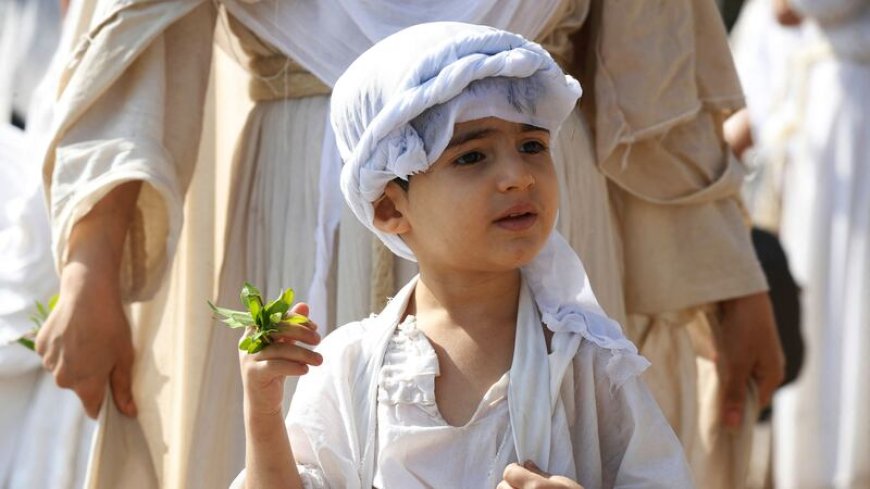
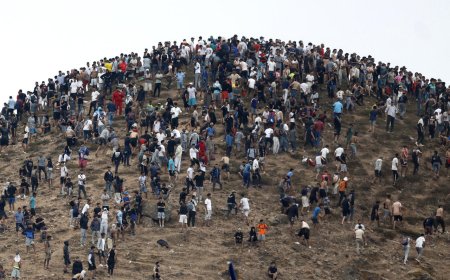
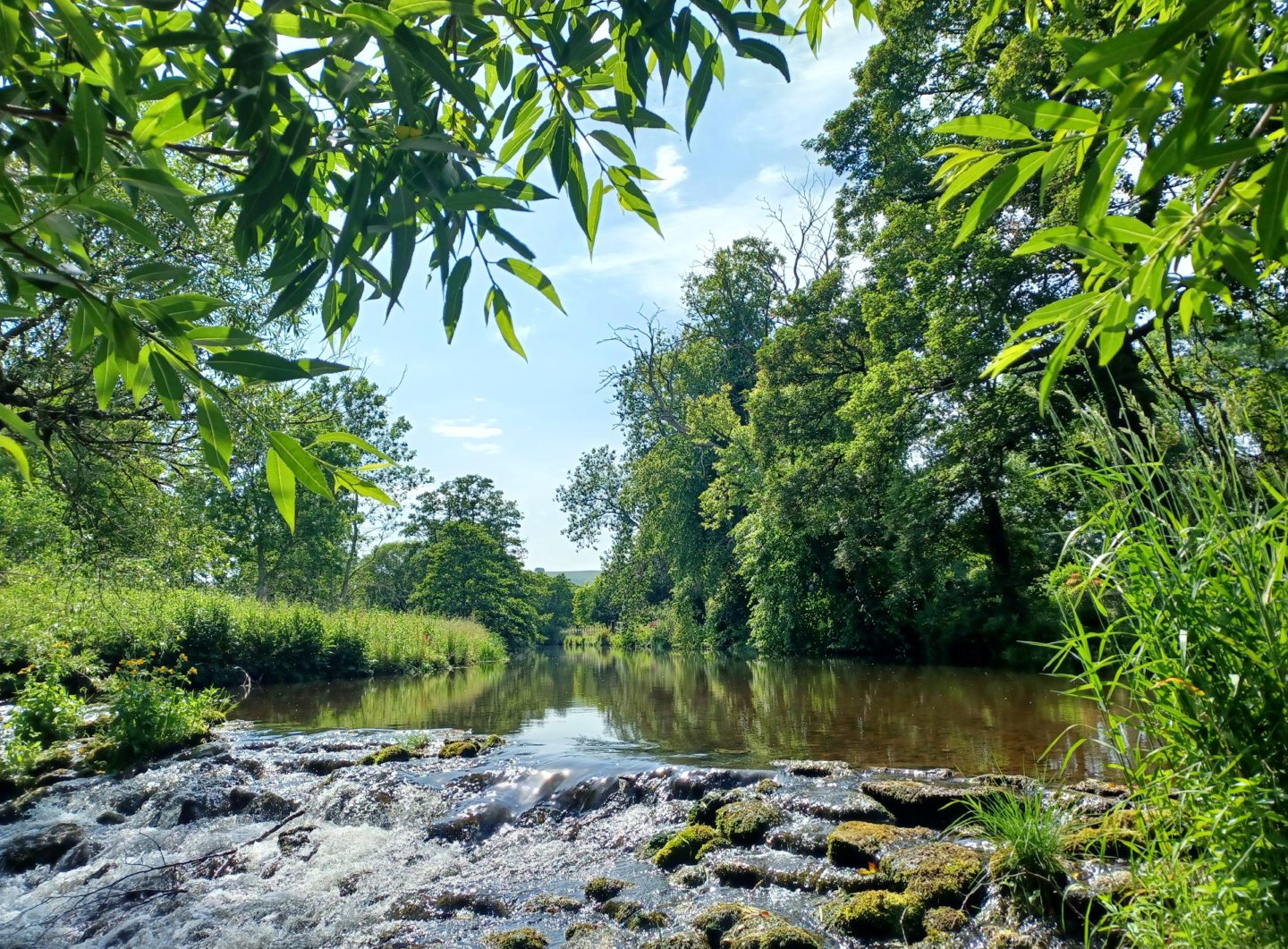
Eid Al-Ezdihar, also known as Prosperity Day, is observed this year on 1 November. Mandeans gather on the banks of the Tigris River to perform baptism rituals. This is a practice that plays an important role in the lives of this ancient sect.
The Mandaeans, who date to pre-Christian times, believe that John the Baptist, and not Jesus Christ, was the true Messiah. Water holds a significant place in Mandaean tradition, where it is used for baptisms, marriages and last rites. During their celebrations, the community believes that every individual should be baptised as many times as possible.
The Mandaean religion has survived as a unique and independent religion from the period of gnosticism that flourished in the Middle East at the time of early Christianity. It is one of the earliest monotheistic religions, with its own holy books and prophets, and spiritual leaders.
These ancient people have a long history in ancient Mesopotamia, where they were concentrated in the marshy areas of the lower plains of what is now modern-day Iraq. They have resided in and around Shatt al-Arab and along the rivers that converge on it, the Tigris and Euphrates, and the Karun, in Iranian Khuzestan.
The Mandaeans had resided in these areas for centuries and generally lived in straw and mud huts. The emigration of Mandaeans from Iraq commenced during the rule of Saddam Hussein, but accelerated significantly following the American-led invasion and subsequent occupation. At present, there is a Mandaean community in Baghdad, as well as several hundred Mandaeans residing in the Iraqi Kurdistan Region.
Mandaeans were renowned for their expertise in metallurgy, including silver and gold smithing, blacksmithing, and boatbuilding, even before the Abbasid Caliphate. They gained further renown as intellectuals in the cultural and scientific spheres. In modern Iraq, Mandaeans have gained prominence in a variety of professional fields, including academia, the arts, literature, medicine, engineering, and jewellery.
The Kurdistan Region is home to a diverse range of ethnic and religious communities that have long coexisted in peace and mutual respect, despite the turmoil and challenges the region has faced.
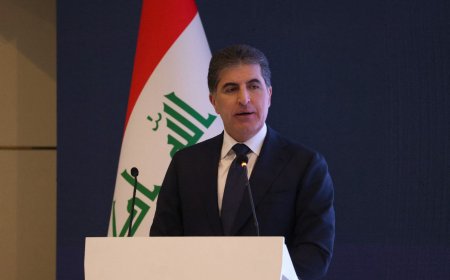
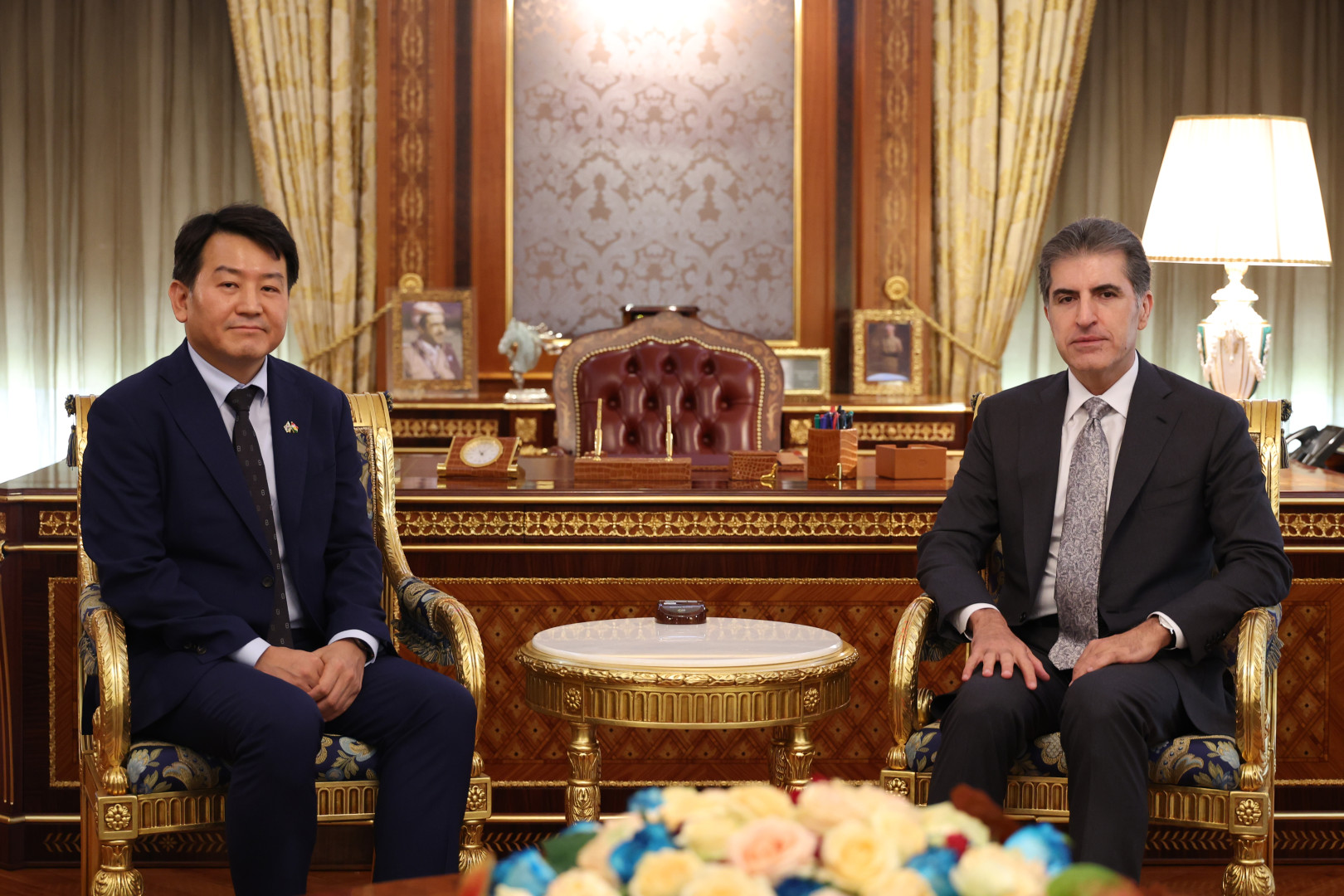
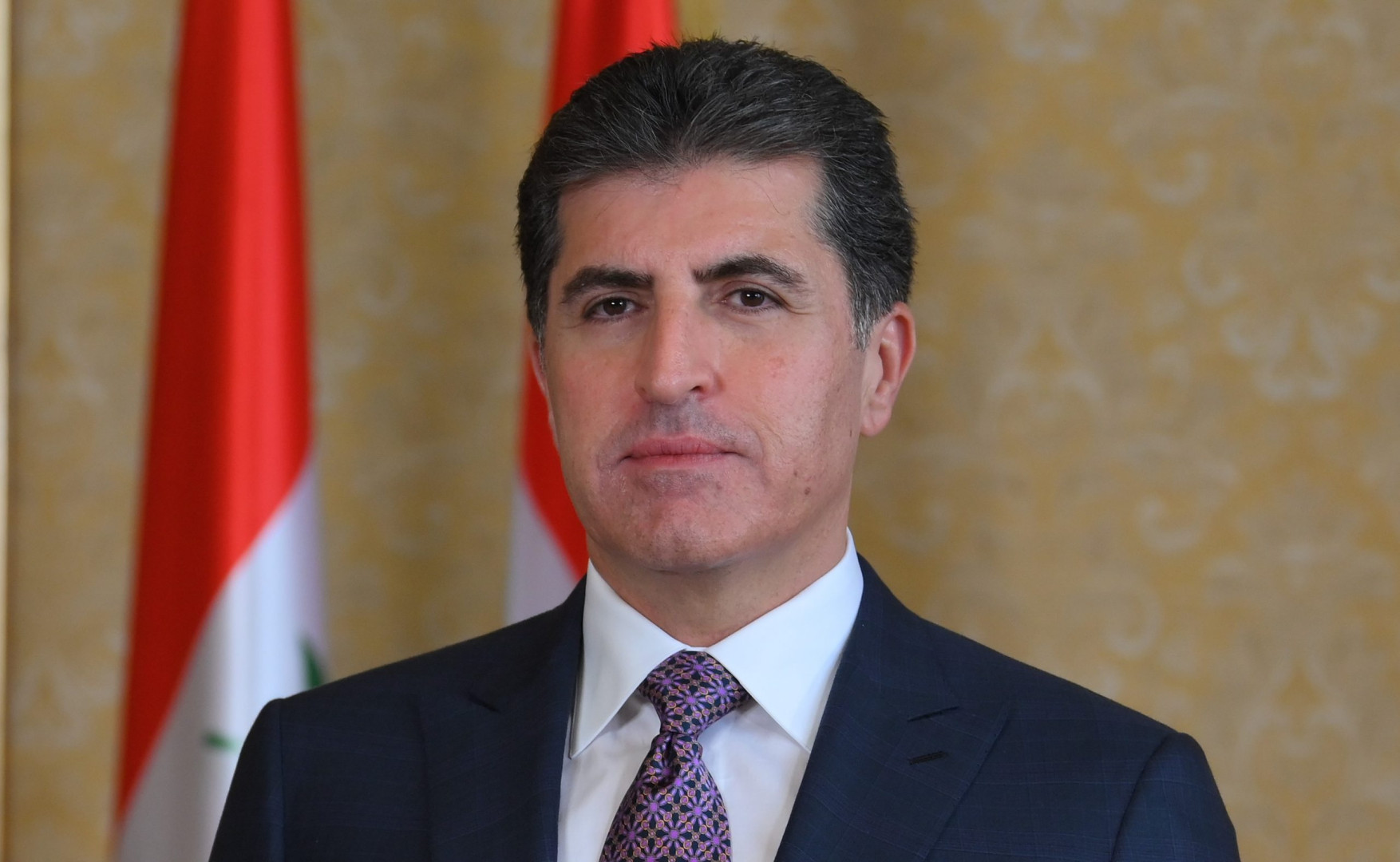
President Nechirvan Barzani believes that the religious and cultural diversity of Kurdistan has always served as a source of strength and stability, and that this is a cause for pride. Over the years, the Kurdistan Region has demonstrated a commitment to pluralism, safeguarding religious freedoms, and fostering a harmonious environment for all communities, irrespective of religion or ethnicity.
The Iraqi Kurdistan Region is predominantly Muslim but takes pride in its commitment to religious freedom. President Nechirvan Barzani has long emphasised that all components “from whatever religion and ethnicity they may be, are not guests in Kurdistan, but rather owners, partners, and an essential and authentic part of this land and this homeland. We assure everyone that Kurdistan, which has embraced everyone throughout history, will forever remain a country of diversity, tolerance, and freedom,” he said at the Church Endowments Administration Conference in Erbil on the 26th May 2025.
On the occasion of the Pope’s historic visit to Iraq in March 2021, he stated that the “Kurdistan Region supports the Pope's message of ‘peace, tolerance, acceptance of others, erasure of hatred and rancour, militancy, terrorism, and retribution’. These principles and values are the main foundations of Kurdistan society and we preserve them as we always do.”
It is clear that the Mandeans - alongside the Christians (Chaldeans, Syriacs, Armenians and others), Yazidis, Yarsanis, Shia and Sunni Muslims, Zoroastrians, Jews and those who work here from further afield such as Hindus, Buddhists and the like - are all valued as part of the rich ethnoreligious tapestry that makes up the Iraqi Kurdistan Region.
Tolerance and coexistence are such important values in these difficult times. We should all be valued for our own particular heritage, values and beliefs - which often may overlap - in the spirit of multiculturalism, diversity and pluralism for which the Iraqi Kurdistan Region has come to be known.