
/file/attachments/orphans/Nonku-Nombasa-Mapisa3_550805.jpg)


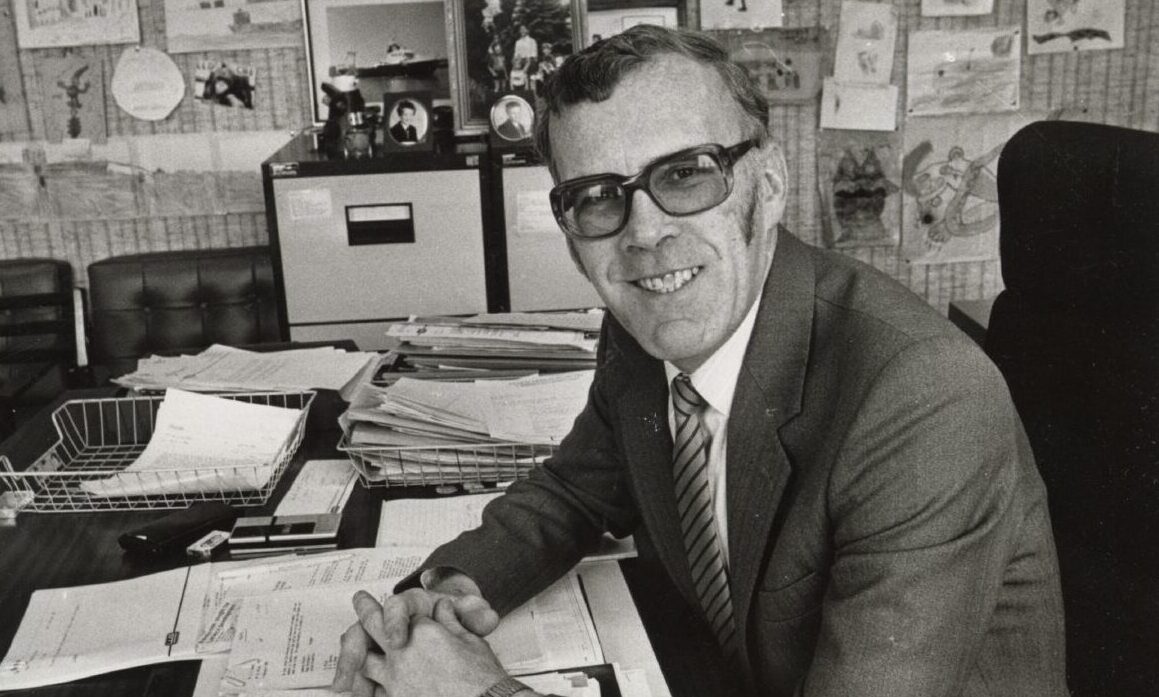





















Devlin urges Scottish clubs to provide more mental health support to players
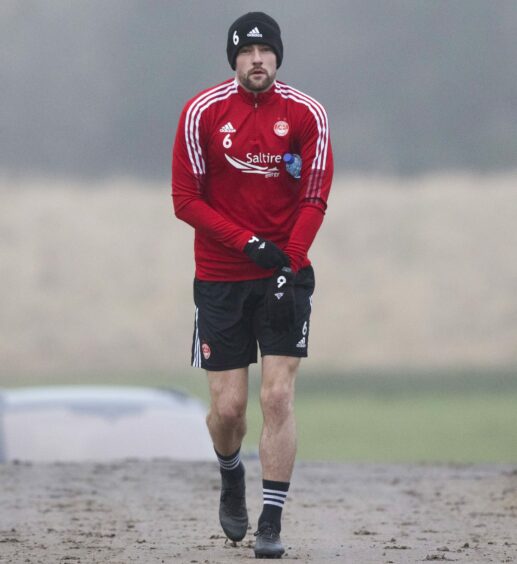
Devlin, who has retired from football to take on a new role at PFA Scotland, has gone public on his mental health struggles during his time with the Dons as he urges clubs to make mental health a priority.
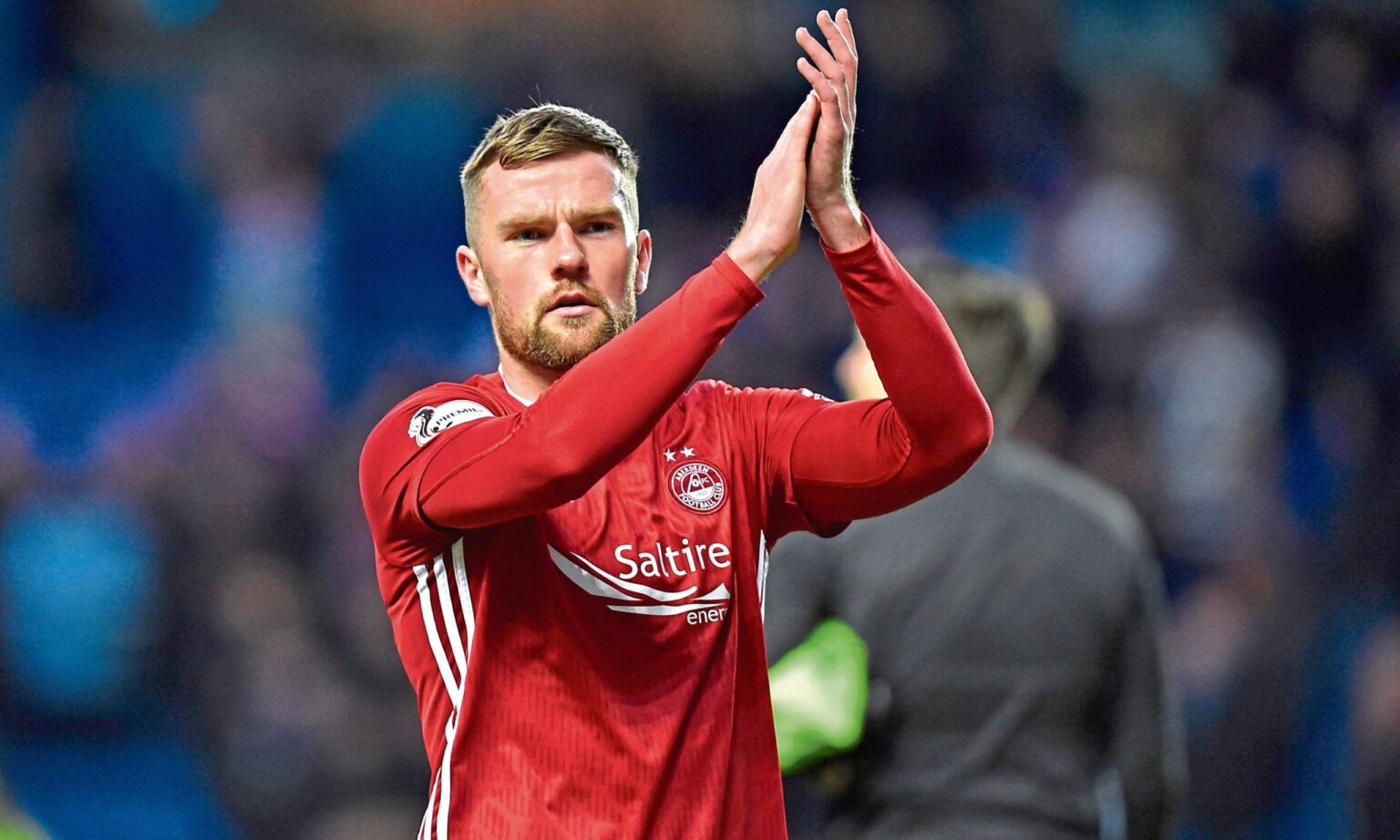
Former Aberdeen defender Michael Devlin has called for clubs in Scotland to tackle the issue of mental health.
The ex-Don, who has called time on his playing career at the age of 32 to take on a full-time role as head of projects at PFA Scotland, has set his sights on helping players get the support they need.
He argues mental wellbeing is as important as medical support and has urged clubs to employ a mental wellbeing professional to assist players.
Devlin said: “Player welfare was always something on my mind just through my nature.
“But my own experiences, struggling with depression off the back of injuries and recognising the lack of support from a club perspective, has made me driven to try and bring change.
“This is a serious problem which needs urgent attention.
“The same way that we have physios and sports scientists that care for players physically, the mental condition of these players should take precedent.
“Without an appropriate level of care and a professional that can help the players then you’re already fighting against it.
“In football we understand ups and downs and personal performance, results, all play a part in your mood.”
How injuries led to Devlin’s mental health struggles
Former Scotland international Devlin has shared his own mental health struggles during his time with the Dons from 2018 to 2022.
Devlin broke into the Scotland squad during his time at Pittodrie but his pride at representing his country soon turned to two years of woe due to a spate of injuries.
The physical challenges were one thing, but Devlin was not prepared for the mental struggles which came with his rehabilitation.
He told the Sunday Mail: “Personally speaking, where the biggest challenges came were sustained periods that I was injured, setbacks, feeling like I was missing out on opportunity when the injuries came, the timing.
“When I entered the kind of darker stages were a time where I felt I was really arriving.
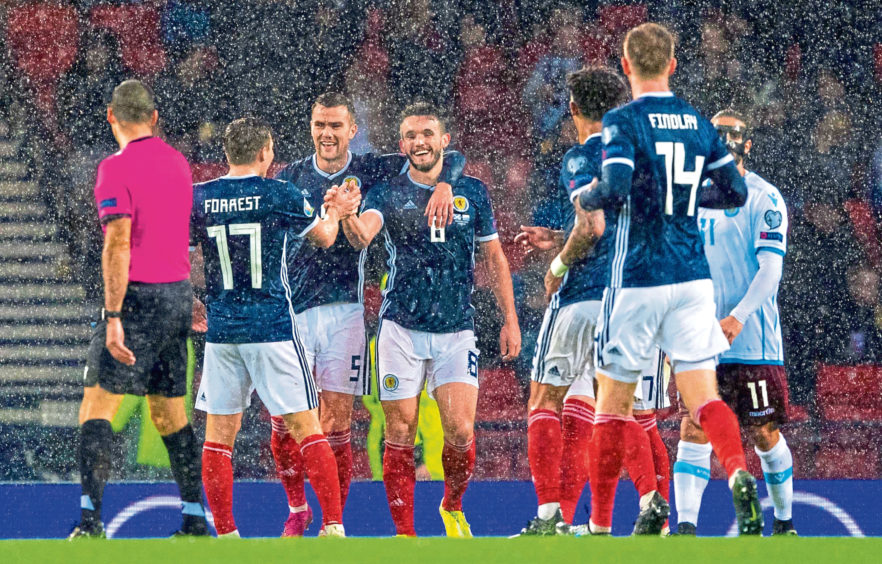
“I was involved with Scotland, won three caps. I knew I wasn’t first pick but I felt I’d established myself in Steve Clarke’s squad at that point and things were going pretty well with Aberdeen as well.
“Then Covid arrived and football shut down. When it restarted a few months later I picked up a hamstring injury that ruled me out for three months.
“I came back hungry to get back involved. I made two sub appearances for Aberdeen and then I tore a ligament in my ankle which led to four operations over the course of the next 12 to 18 months and effectively finished my career at Aberdeen as my contract was up.
“The detrimental impact that period had on my mental health…it cast up a lot of really difficult moments.”
Setbacks led to Devlin’s struggles worsening
Four operations in two years left Devlin struggling mentally and he says depression set in.
Devlin was determined to be a positive figure in the Dons changing room, but privately he struggled.
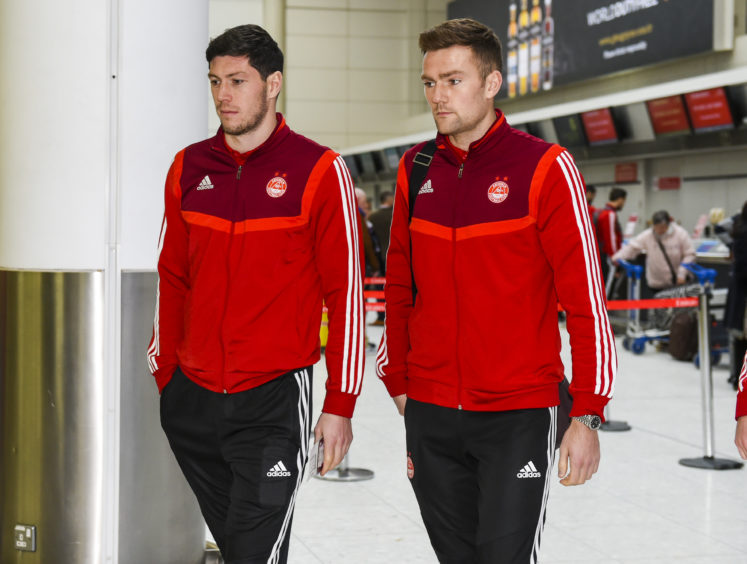
The situation worsened when his flatmate and team-mate Scott McKenna left the clubfor Nottingham Forest.
Devlin became a recluse.
He said: “I felt very alone, isolated and trying to tackle something that I didn’t have the capacity to tackle whilst negotiating rehab and the continued disappointment of setbacks.
“Scott moved to Nottingham Forest and it probably wasn’t long off the back of that, that things began to unravel.
“It was just a real struggle to do anything. It was really hard to get out of my bed in the morning.
“I became a master at wearing a mask, I was hyper aware of the impact that I could have on other people.
“So when I went in every day to do my rehab I wanted to be the person that my teammates and the staff knew I was.
“It would take a monumental effort for me to try and be that person and then as a consequence of that I would suffer a massive crash when I came home.
“I was entirely drained, emotionally depleted and it became a bit of self-preservation where I sought safety within the confines of my apartment, I didn’t leave it.
“I was probably eating and living a lifestyle that wasn’t conducive to both my mental health or my physical health during the rehab.
“My diet started to go out the window. I stopped caring what I was eating, it was about just getting through the next 24 hours, I started to drink more a little bit as well and it became a big covering up act.
“I didn’t want to let anybody into that, I didn’t want anybody to know that I was struggling and I would stop answering the phone or replying to texts, I spent a lot of time in my bed.”
How Aberdeen helped Devlin’s cry for help
Eventually, Devlin turned to Dons boss Derek McInnes and club doctor Gary Ritchie for help.
He is grateful for what the club did for him, but his own experience helped him come to the realisation clubs need to be more proactive.
Devlin said: “Derek and the club can only deal with what they know.
“He was a manager trying to navigate a million other things at the time, in terms of getting a team on the pitch winning.
“If a player doesn’t talk to them about it, then it’s difficult for them to know.
“It’s more about how clubs holistically view this topic and what importance they place on having the right people in place to offer the support players need.
“When it did come the time that I reached out for help, Aberdeen were first class.
“The head physio, Adam Stokes, and the club doctor Gary Ritchie at the time, Gary in particular, was the first person I reached out to.
“And he couldn’t have been more helpful. They were essential in keeping me afloat.”
Devlin hopes to help others
Devlin’s personal struggles have left him convinced proper mental support needs to be in place at clubs.
He said: “PFA Scotland have got a confidential support service that players can reach out to through a provider called Sporting Chance that was founded by Tony Adams way back when he was negotiating some of his issues.
“But the onus can’t fully be on the union, the clubs also need to take responsibility and take accountability for the well-being of their players.”
[Source: Press and Journal]








/file/attachments/orphans/ED_543155_209242.jpg)