Iraq faces return of ex-PM linked to 'Islamic State' rise

Ex-prime minister Nouri al-Maliki is often seen as responsible for sectarian tensions and military mismanagement that made the "Islamic State" possible in Iraq. He's just been nominated as Iraq's next prime minister.

Jan 28, 2026 - 14:40
Iraq faces return of ex-PM linked to 'Islamic State' rise
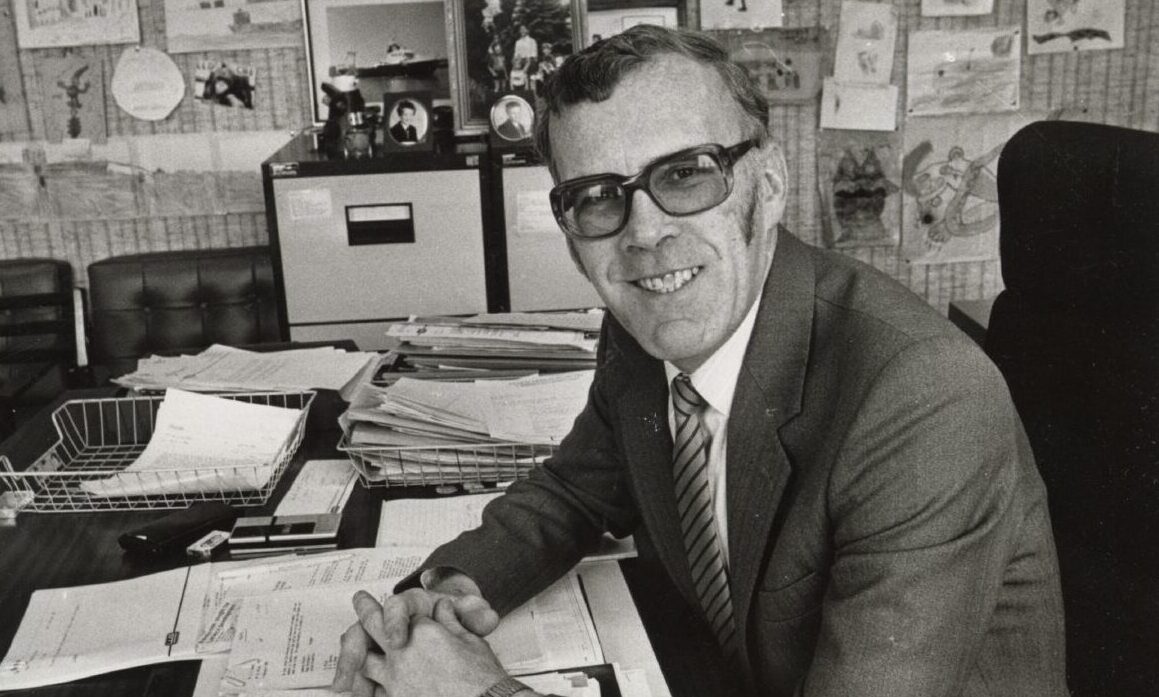
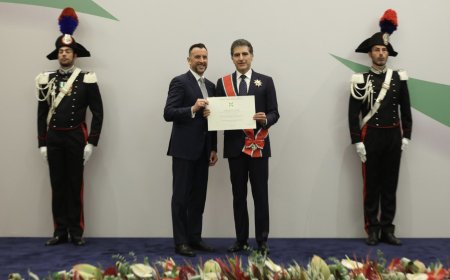
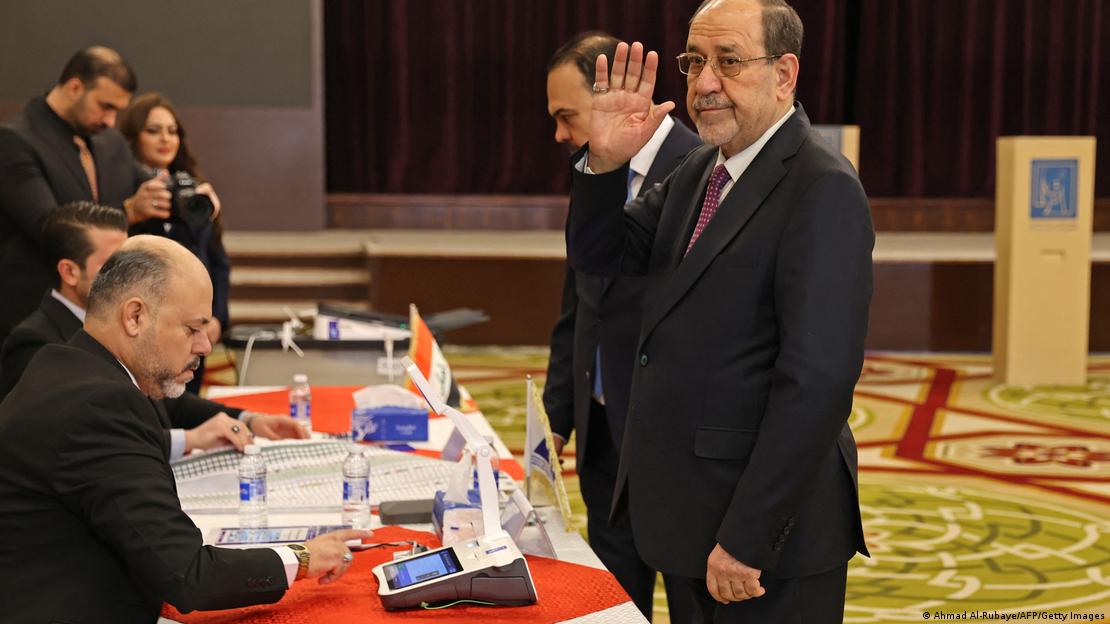
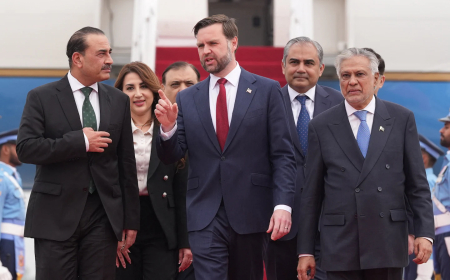
Nouri al-Maliki (center, waving) has been described as 'shrewd' and a 'strongman'

When the extremist group known as the "Islamic State" group (IS) first entered the northern Iraqi city of Mosul, they were actually hailed as liberators.
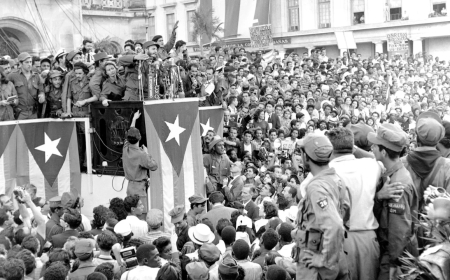
Back in 2014, some Mosul locals celebrated because they believed the group — which bases its ideology on an ultra-conservative form of Sunni Islam — would protect them from the Iraqi government, then headed by Prime Minister Nouri al-Maliki.

Al-Maliki, a Shiite Muslim who had been prime minister since 2006, was largely seen as responsible for sectarian tensions in Iraq of the kind that resulted in Sunni Muslims welcoming IS. 

He's also often blamed for the fact that, as the IS group arrived, the Iraqi military didn't fight back. Years of corruption and mismanagement meant the army was understaffed and underequipped. Soldiers just dropped their guns and fled.

The people of Mosul realized their mistake only months later as IS began behaving in increasingly brutal and cruel ways.

But today, just under a decade after the group was defeated in Iraq, it appears some Iraqi politicians don't see al-Maliki's administration as a mistake.

The politician, who left power in 2014, was picked as the country's next prime minister and may soon return to power. 

Al-Maliki remains an unpopular politician

"It would be a catastrophe if Al-Maliki returned to power," says Rasli al-Maliki, a political commentator who regularly appears on Iraqi television (not related to Nouri al-Maliki).

"Al-Maliki is responsible for the fall of three provinces to [the IS group] ... he is the reason for the deaths of 40,000 martyrs from all over Iraq," the Baghdad-based analyst told DW, referring to deaths attributed to the IS security crisis. "He is the one who allowed Iran dominance over this country."

Why would they select such a controversial figure?, asked Khitab al-Tamimi, a civil society activist from Salahuddin province. "Already we are hearing the return of sectarianism in political dialogue," al-Tamimi told DW. "We sacrificed so much and we're still rebuilding [after IS]. We won't go back. As a member of the Sunni community, I know we will oppose this."

Why was al-Maliki nominated?

Iraq held parliamentary elections in November last year and Shiite political parties got the majority of the votes.

But the process of forming a new Iraqi government doesn't necessarily align with who won the election. It has more to do with power inside various parties and negotiations between voting blocs.

That is because, since the US invasion in 2003 that ended the Saddam Hussein dictatorship, Iraq has used a power-sharing agreement to give out senior positions in government to each major demographic. For example, the Iraqi prime minister is always Shiite, the speaker of parliament Sunni, and the country's president, Kurdish.

The bloc that got the most votes in November's election was the so-called Coordination Framework, or CF, a collection of Shiite-dominated parties. The bloc includes current Iraqi Prime Minister Mohammed Shia al-Sudani, who remains in charge of a caretaker government.

The CF is considered friendly towards neighboring Iran. Some of the CF parties have links to local paramilitaries supported by Iran.

It is this bloc that nominated al-Maliki on Saturday. In a statement, the CF said it chose the 75-year-old because of his "political and administrative experience."

"The arguments some are making for al-Maliki is that this is a very precarious moment for Iraq, in the region," explains Renad Mansour, director of the Iraq Initiative at British think tank, Chatham House. "In particular, those who support him claim conflicts in Syria could create ripple effects in Iraq. For example, with what's happening with 7,000 or so IS prisoners being transferred from Syria into Iraq."

The argument for al-Maliki is that he is "someone familiar with governing, who knows the system," noted Mansour, who was in Baghdad this week.

"Al-Maliki's selection is largely the result of an internally-driven Iraqi process that involved dealmaking between the Iraqi political elite," Victoria Taylor, director of the Iraq Initiative at US-based think tank, the Atlantic Council, continued. "The Iranians will be pleased with this outcome and may have supported it, but ultimately, al-Maliki's nomination highlights his ability to secure support from a variety of Shia, Sunni and Kurdish politicians, many of whom have no particular affinity towards Iran." 

According to the State Department, US Secretary of State Marco Rubio, in a recent call with al-Sudani, "emphasized that a government controlled by Iran cannot successfully put Iraq's own interests first, keep Iraq out of regional conflicts or advance the mutually beneficial partnership between the US and Iraq."

In the recent past, the US has threatened to block money Iraq gets from oil sales — which it needs to keep its economy running — if members of Iran-aligned paramilitaries are in the next government. 

On Tuesday, US President Donald Trump also criticized the decision on social media, which observers say could torpedo al-Maliki's chances. 

Show additional content?
This content is part of the text you are currently reading. The provider X / Twitter provides this content and may collect your usage data directly when you click “Show content”.

What if al-Maliki becomes prime minister?

Inside Iraq, having al-Maliki return as prime minister could exacerbate tensions between the Sunnis, Shiites and Kurds again, Karam Nama, a British-Iraqi writer based in London, argued in an op-ed for online outlet Middle East Monitor.

It could also cause problems inside the Shia community between those who support and those who oppose him. There may even be renewed protests by the so-called Tishreen, or October, movement, youthful protesters who demonstrated about the Iraqi political system between 2019 and 2021, Nama suggested. 

"His third term would also likely obstruct normalization with Damascus," Jasim al-Azzawi, an Iraqi broadcaster wrote for Al Jazeera this weekend.

Al-Maliki previously said Syrian interim president, Ahmad al-Sharaa, was wanted in Iraq on "terrorism charges" and Iran-aligned paramilitaries have threatened his life.

It could also cause problems with the US. "Al-Maliki has long branded himself as a partner to the US," Taylor says. But "a third term may lead to difficult relations with the US, at a moment when the US is placing significant pressure on Iraq to reduce Iranian influence and disarm the militias."

What next for Iraq?

Observers point out that just because al-Maliki has been nominated, it does not mean he will be successful.

"Right now, al-Maliki does have the numbers but he still has some major hurdles and there are some very senior and influential Iraqi leaders who will look to stop this if they can," Mansour told DW, adding that a lot of Iraqi politicians he spoke with in Baghdad had been surprised by the nomination.

[Source: DW English]