










Syria: agreement and de-escalation between Damascus and the Kurds of Rojava
A ceasefire has been established after three weeks of fighting. The Kurds have made major gains in terms of local autonomy and national rights, but the Syrian president can boast of restored national unity.
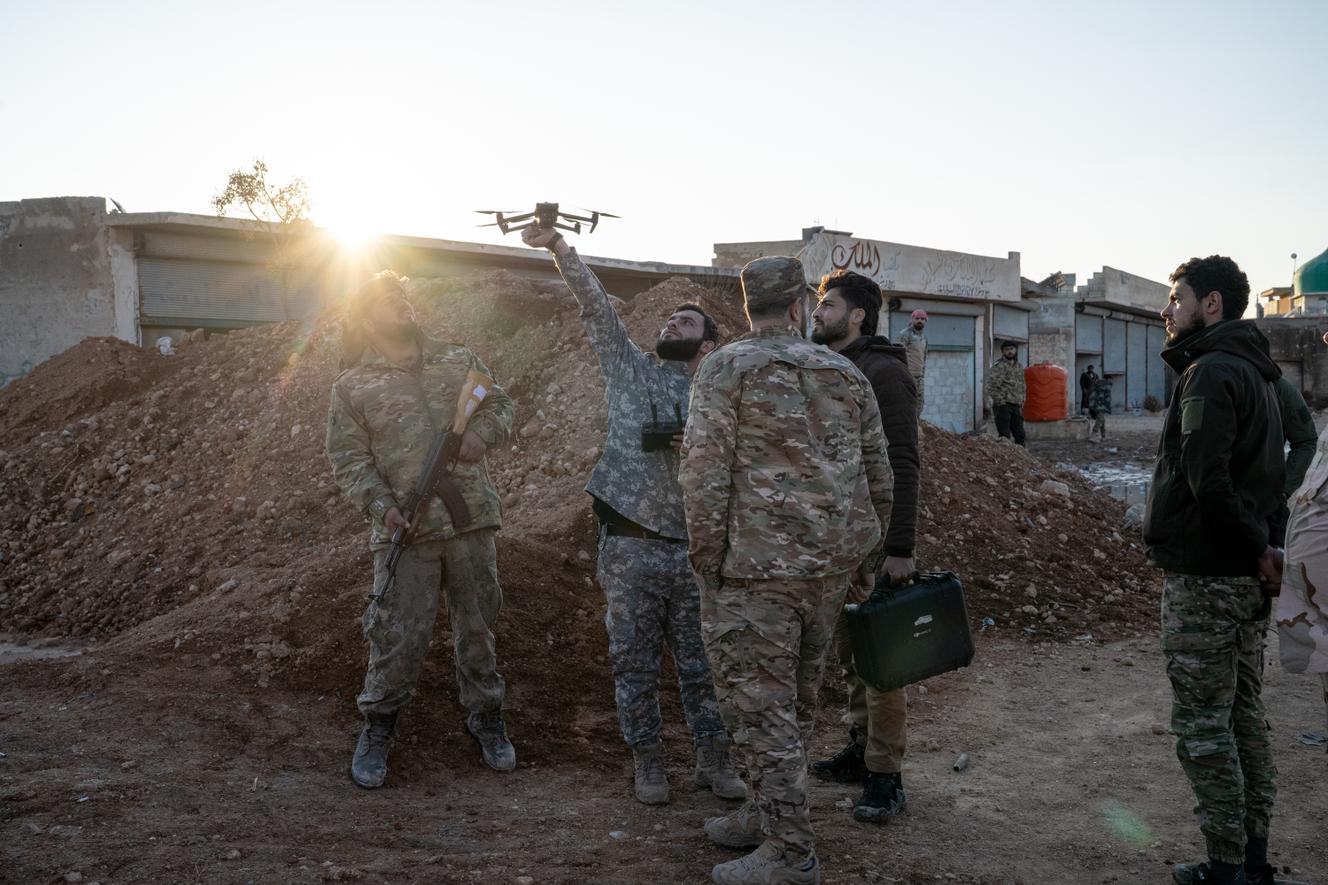
The prospect of war between Damascus and Kurdish forces is receding. On Friday 30 January, the Syrian transitional government and the Syrian Democratic Forces (SDF, dominated by the Kurds) announced a comprehensive agreementfor the gradual integration of the military forces and administration of the Kurdish autonomous zone into the Syrian state. This is a victory for Damascus, which is restoring its authority over the territories administered by the SDF and burying the dream of Kurdish autonomy in Rojava. Nevertheless, the Kurds are making major gains in terms of local autonomy and national rights.
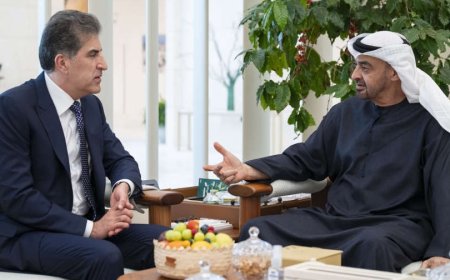
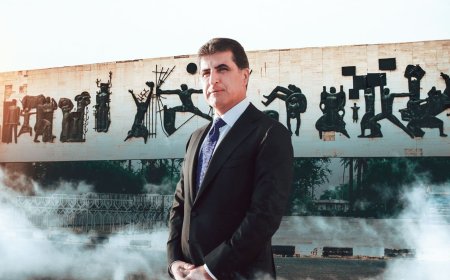
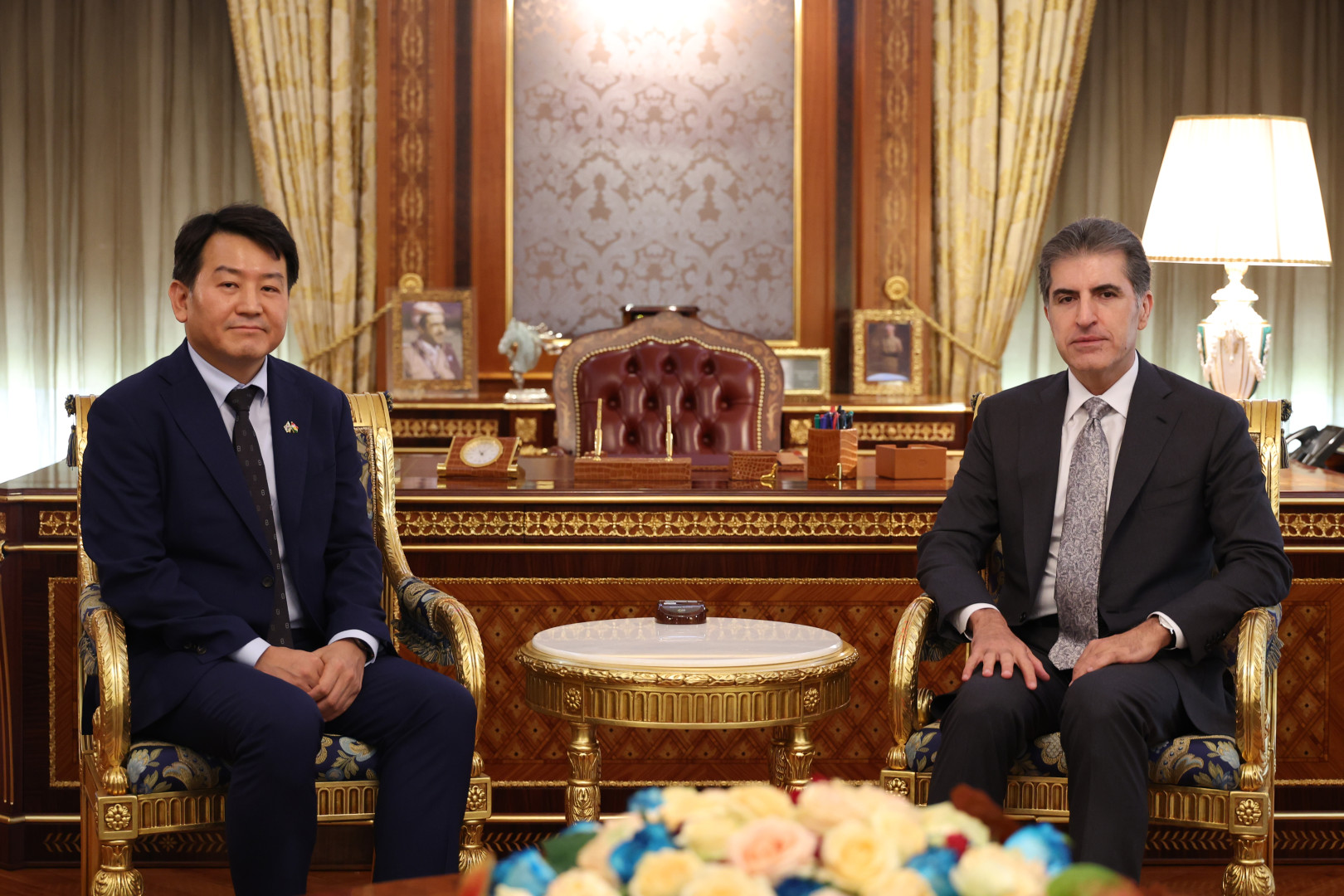
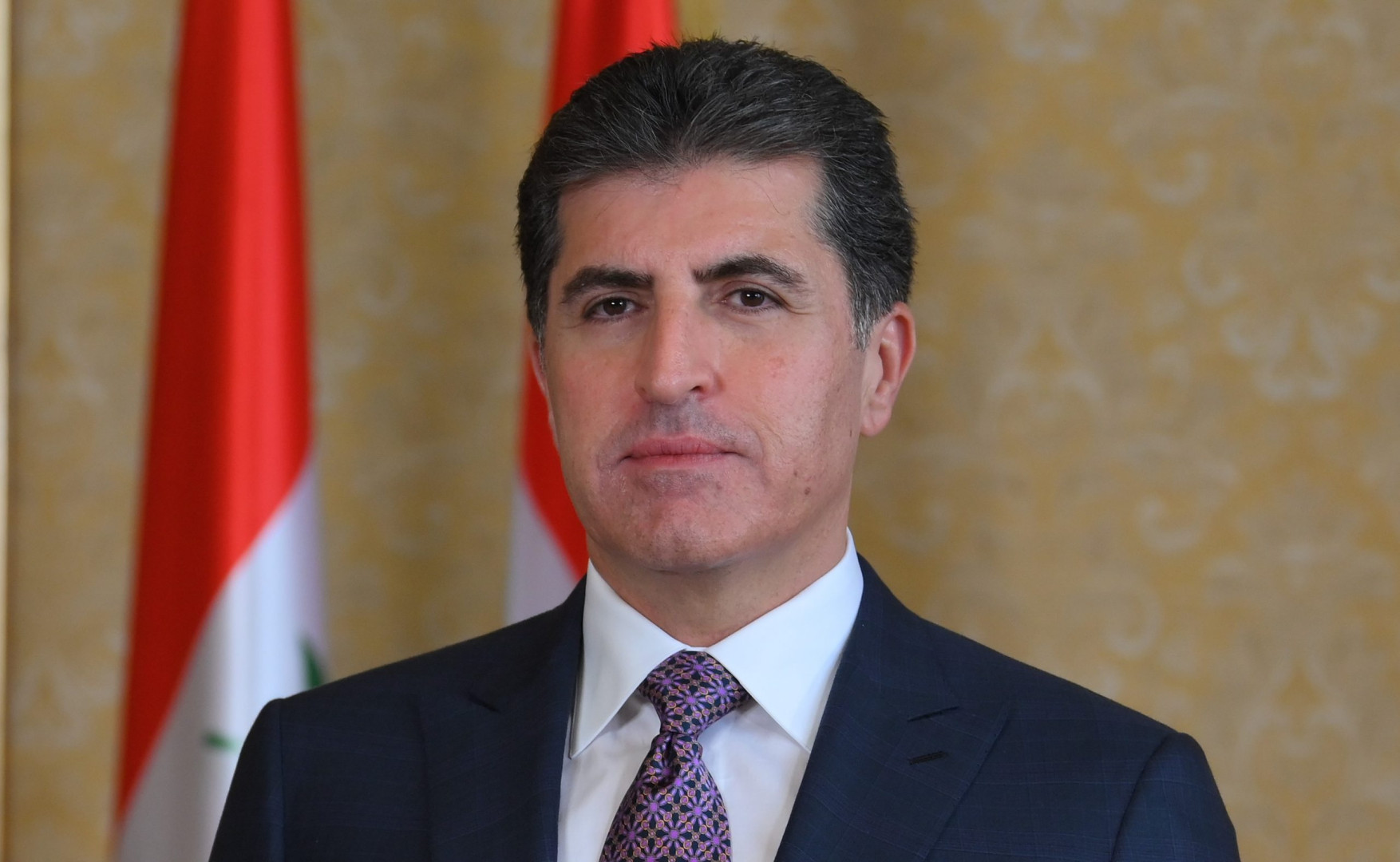
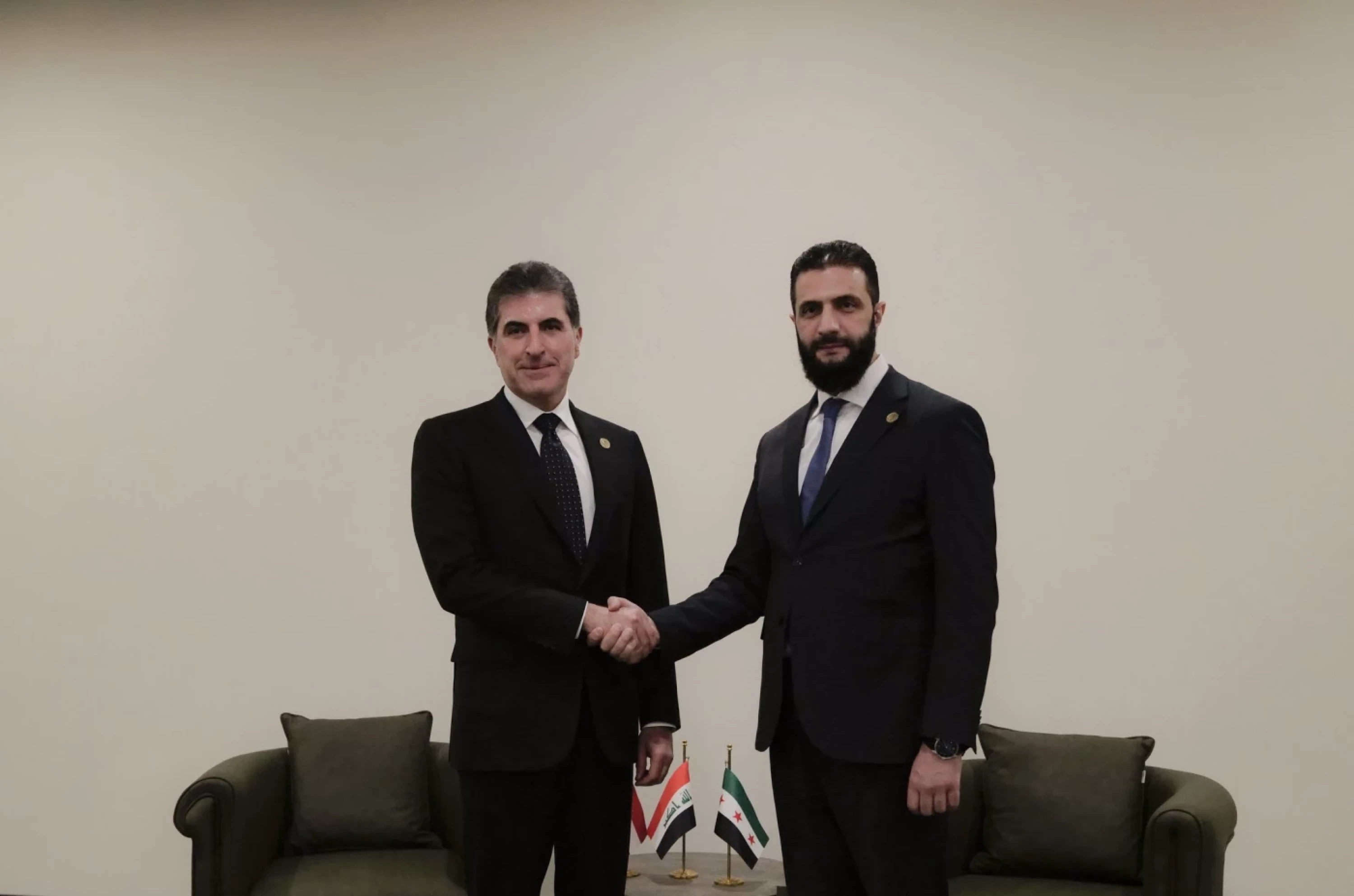
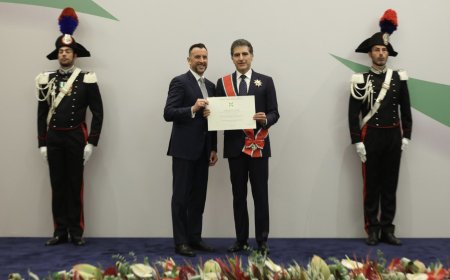
On X, Elham Ahmed, a senior leader of the Kurdish autonomous administration, expressed her ‘deep gratitude to the mediators,’ notably ‘the United States and France, which have made considerable efforts’ to reach this agreement. The United States hailed a ‘historic step’ in the unification of Syria. France, through President Emmanuel Macron, ‘congratulated’ both parties and affirmed that it would ‘fully support’ the implementation of the agreement. ‘We hope [that this agreement] will serve as a framework for the reconstruction of a unified Syria and the safeguarding of the rights of the Kurdish people and all other groups in the future constitution,’ said the President of Iraqi Kurdistan, Nechirvan Barzani, who played a crucial role in the mediation.
After three weeks of fighting, which saw Damascus regain control of nearly 80% of the territories held by the Kurds in north-eastern Syria since the civil war (2011-2024), a permanent ceasefire has been established. The Syrian army and the SDF must withdraw from contact points along the front line. The Syrian authorities have set a deadline of one month to regain control of local institutions, border posts, Kamishli airport, oil and gas fields, and camps and detention centres housing members of the Islamic State (IS) organisation and their families.
‘Security checks’
On Monday, units under the Ministry of the Interior are to be deployed to Hassakeh, a predominantly Arab city, and Qamishli. The head of the SDF, General Mazloum Abdi, told Syrian Kurdish television station Ronahi TV that a force affiliated with the Syrian government will be deployed in both cities to oversee the integration of the Asayish (Kurdish internal security forces) into the Syrian Interior Ministry, which will be responsible for local security. General Marwan Al-Ali, a Kurd from Kamishli who made a name for himself in Idlib in the fight against terrorism, has been appointed by Damascus to head internal security in the province of Hasakah.
The Syrian authorities have agreed to the creation of a military division in the province of Hassakeh, comprising three brigades, made up of fighters and SDF fighters, attached to the Ministry of Defence. Syrian Information Minister Hamza Al-Mustafa specified that SDF fighters will be integrated ‘on an individual basis after undergoing the necessary security checks’. The fate of female SDF fighters, as well as that of foreign fighters from the Kurdistan Workers' Party (PKK, the main Kurdish guerrilla group in Turkey), has not been specified.
Local institutions created by the Autonomous Administration of North and East Syria (AANES) and their employees will be integrated into Syrian state institutions. The Kurds will obtain the post of governor of Hassakeh and command positions within the army. General Abdi has indicated that he has declined any position within the state. The oil fields of Rmeilane and Al-Suweidiya, as well as Qamishli airport, will be transferred to the state within ten days, according to Damascus.
The agreement also guarantees the national, civil and educational rights of the Kurdish people and the return of displaced persons to their respective regions. On 16 January, transitional president Ahmed Al-Sharaa issued a decree making Kurdish a national language that can be taught in public and private schools, recognising Nowruz as a public holiday, and cancelling measures taken after a 1962 census to strip tens of thousands of Kurds of their nationality.
This decree is ‘a positive step that must be built upon to achieve recognition of these rights within the Constitution,’ Abdulkarim Omar, the AANES representative in Damascus, told Le Monde.
‘Monitoring the process’
The implementation of this agreement is a major challenge, as many details still need to be negotiated. "We are aware that some groups are unhappy with this agreement and we share their discontent. We have respected it in order to end the conflict, but we have promised our people to continue the struggle until all our gains are guaranteed,‘ General Abdi said on Ronahi TV, while Elham Ahmed called on the United States and France, the “guarantors” of the agreement, to ’monitor the process."
Since the signing of the framework agreement between Damascus and the SDF on 10 March 2025, a hardline faction within the Kurdish forces, notably composed of PKK leaders, has been singled out as an obstacle to progress in the negotiations. "We feel that Mazloum Abdi is not the decision-maker. The Kurds are serious in the negotiations, but when it comes to implementation, they go to Qandil [where PKK leaders have taken refuge in Iraqi Kurdistan] and everything changes," Ahmad Zeidan, President Al-Sharaa's press advisor, lamented in Le Monde. On the Kurdish side, this division is denied. ‘These are excuses by the Damascus authorities for not committing to what they have signed,’ says Abdulkarim Omar.
Under military pressure from Damascus and diplomatic pressure, particularly from the United States, the Kurdish leaders have chosen to accept an agreement that is still much more favourable to them than a previous version presented by Damascus on 18 January. Observers point out that the PKK may choose to preserve its forces rather than engage in a devastating war in Syria, while negotiations are underway with the Turkish government. For his part, transitional president Ahmed Al-Sharaa has shown flexibility following a call with US President Donald Trump on 28 January. He has everything to lose in terms of image and support as pro-Kurdish mobilisation has intensified in the United States and Europe. On Thursday, Republican Senator Lindsey Graham and Democratic Senator Richard Blumenthal introduced a bill before the US Congress in defence of the Kurds.
‘They can see for themselves how patient our government has been in order to avoid bloodshed. We have signed so many agreements that have not been implemented,’ comments Ahmad Zeidan. The Syrian president has achieved his main objectives – the recapture of the Arab-majority territories of Raqqa and Deir ez-Zor, as well as the country's main oil and gas fields – and does not want a war in the heart of Kurdish cities, which would maintain a permanent PKK guerrilla stronghold. "Mr Al-Sharaa is prepared to give a lot to the Kurds in exchange for their submission. The Turks, for the moment, are letting him do so," concludes a keen observer.
[Source: Le Monde - translated by EDGE news]