


/file/attachments/orphans/ED_543155_209242.jpg)


























End of the Anglo-Iraqi war restores Abd al Ilah in Baghdad
British forces secure strategic control and reestablish regency during World War II
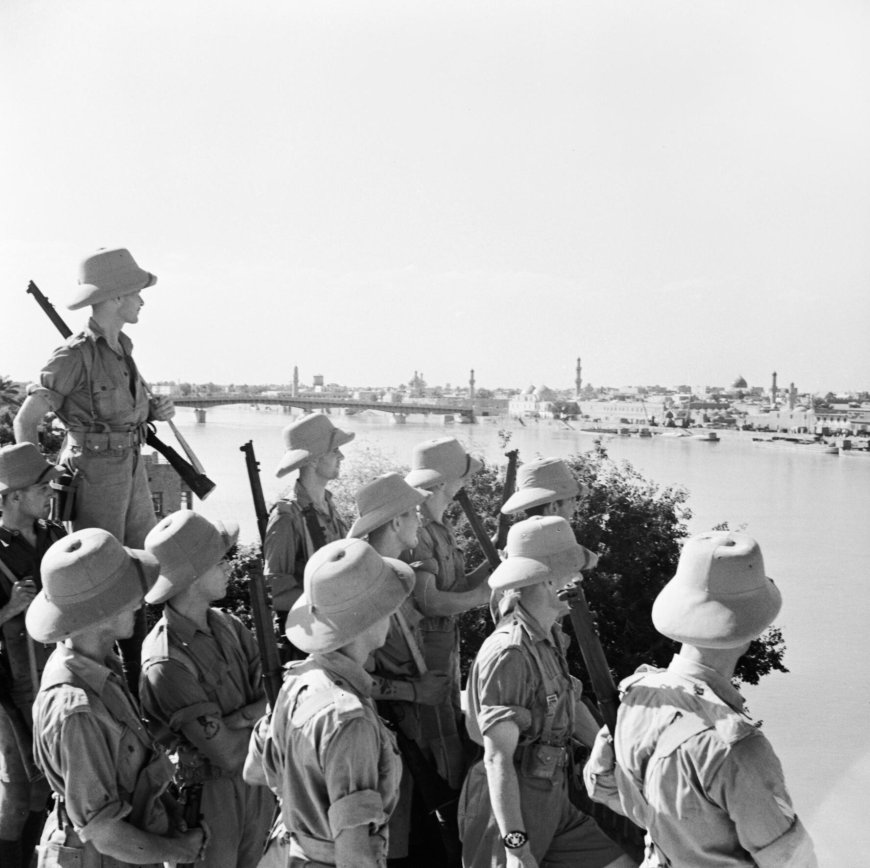
British forces completed reoccupation of Baghdad in 1941, ending the Anglo-Iraqi War after a swift nationalist coup challenged authority. The conflict lasted roughly one month and carried major strategic importance for Allied operations across the wider Middle East theater. British commanders quickly advanced toward Baghdad to secure vital oil routes and communications lines linking imperial positions throughout the region.
Meanwhile nationalist officers who had seized power attempted to resist but faced overwhelming pressure and dwindling support from regional partners. As British columns approached the capital, key infrastructure and centers became contested, intensifying fears of prolonged urban conflict and instability. However British air superiority and ground movements shifted momentum, forcing opposing units to withdraw or disperse before engagements could develop.
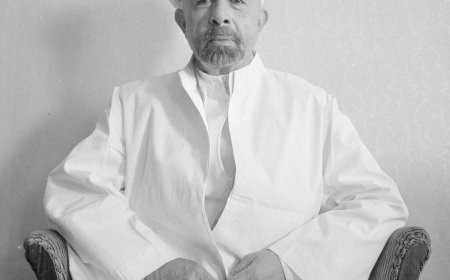
Consequently British troops entered Baghdad and restored order, reestablishing regency under Abd al Ilah while securing institutions and communication networks. The return of Abd al Ilah signaled alignment with British interests and reinforced political structures been disrupted during the coup. At same time British authorities prioritized safeguarding oil pipelines and transport corridors essential for sustaining Allied logistics and military coordination.
Furthermore control over Iraq ensured supply routes the Persian Gulf to fronts remained open and protected against potential Axis interference. In addition swift conclusion of hostilities demonstrated British capacity to project power in strategically sensitive areas despite global wartime pressures. Nevertheless the intervention deepened political divisions within Iraq and fueled nationalist resentment toward foreign influence, shaping future tensions in country.
Meanwhile regional observers monitored developments as the outcome influenced Middle Eastern alignments during World War II and affected neighboring territories. Subsequently British policymakers emphasized stability in Iraq as essential for maintaining supply chains and preserving influence across critical geopolitical corridors. At same time Iraqi society grappled with consequences of intervention, including realignments, strengthened monarchy authority, and persistent anti colonial sentiment.
Ultimately the end of Anglo-Iraqi War marked decisive moment reinforced British strategic priorities while leaving complex lasting legacy Iraq. Moreover historians to examine how the conflict shaped Iraqi state development and influenced later political movements and regional power dynamics. Thus events of 1941 significant for understanding Iraq’s twentieth century trajectory and enduring impact of external intervention on national sovereignty.
[Source: Britannica]