


/file/attachments/orphans/ED_543155_209242.jpg)
























South Africa becomes a republic and exits Commonwealth
Break with British monarchy deepens isolation amid Apartheid criticism
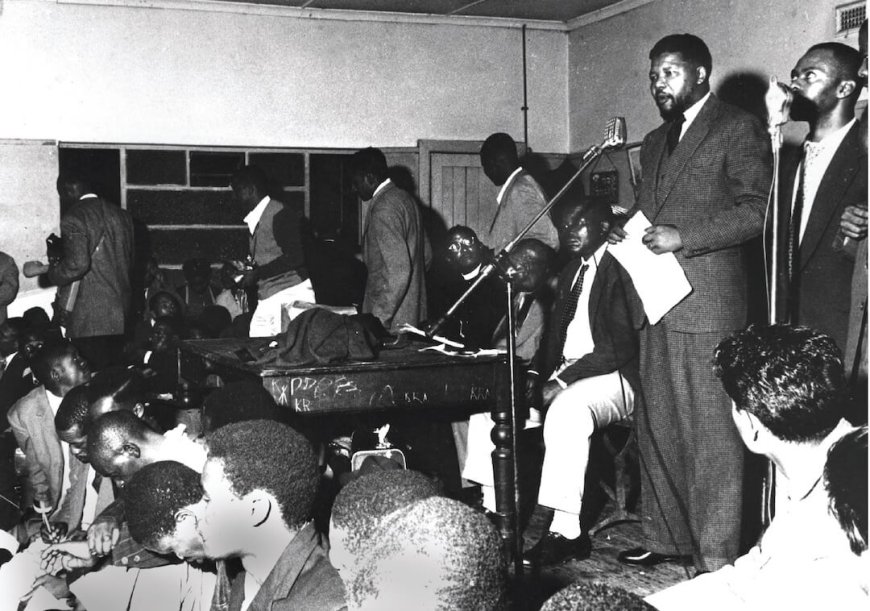
South Africa became a republic in 1961, marking a break from British monarchy amid mounting international criticism over apartheid policies. The government organized a referendum among white voters, who supported change that would transform the country into a sovereign republic. As a result, authorities ended formal allegiance to the crown and redefined national governance structures under a new republican framework.
However global opposition to apartheid placed South Africa under increasing diplomatic pressure, especially from newly independent African and Asian nations. Consequently the decision to become a republic isolated the country, prompting its withdrawal from the Commonwealth of Nations shortly afterward. This move signaled a divide between South Africa and of the international community, which condemned apartheid and racial segregation policies.
Meanwhile leaders defended transition by emphasizing sovereignty, arguing republican status allowed South Africa to determine its policies without external interference. Nevertheless critics argued that the new system entrenched minority rule and institutionalized discrimination, worsening conditions for the majority black population. At the same time resistance movements South Africa intensified, as activists organized campaigns and protests against apartheid and political exclusion.
Internationally governments imposed sanctions and restrictions, seeking to pressure South Africa into reforming its apartheid system and ending racial inequality. In response authorities resisted demands, maintaining internal controls while promoting narratives of independence and national self determination under republican governance. Meanwhile debates legitimacy continued with critics insisting that true independence required equality and representation for all citizens regardless of race.
Over time South Africa’s republican status became associated with its apartheid policies, shaping international image and relationships for decades afterward. Eventually resistance and international pressure lead to negotiations that dismantled apartheid, although this transformation occurred years after the 1961 declaration. Thus the establishment of republic represented a political turning point and a moment that intensified global scrutiny of South Africa.
Moreover decision highlighted tensions between sovereignty claims and human rights concerns, which dominated international discourse during the mid twentieth century. As a result South Africa’s path diverged from nations, even as it asserted independence and control over its political system. Ultimately the 1961 transition remains a defining event that underscores complex intersection of nationalism, governance, and human rights in history.
[Source: The Collector]