




/file/attachments/orphans/ED_543155_209242.jpg)






















‘Biggest vandal in the area’: Inverness neighbours say loose parrot has cost them hundreds of pounds in car repairs
Residents in Lochardil have told the Press and Journal that a ring-necked parakeet is chewing the rubber of the cars around the area.
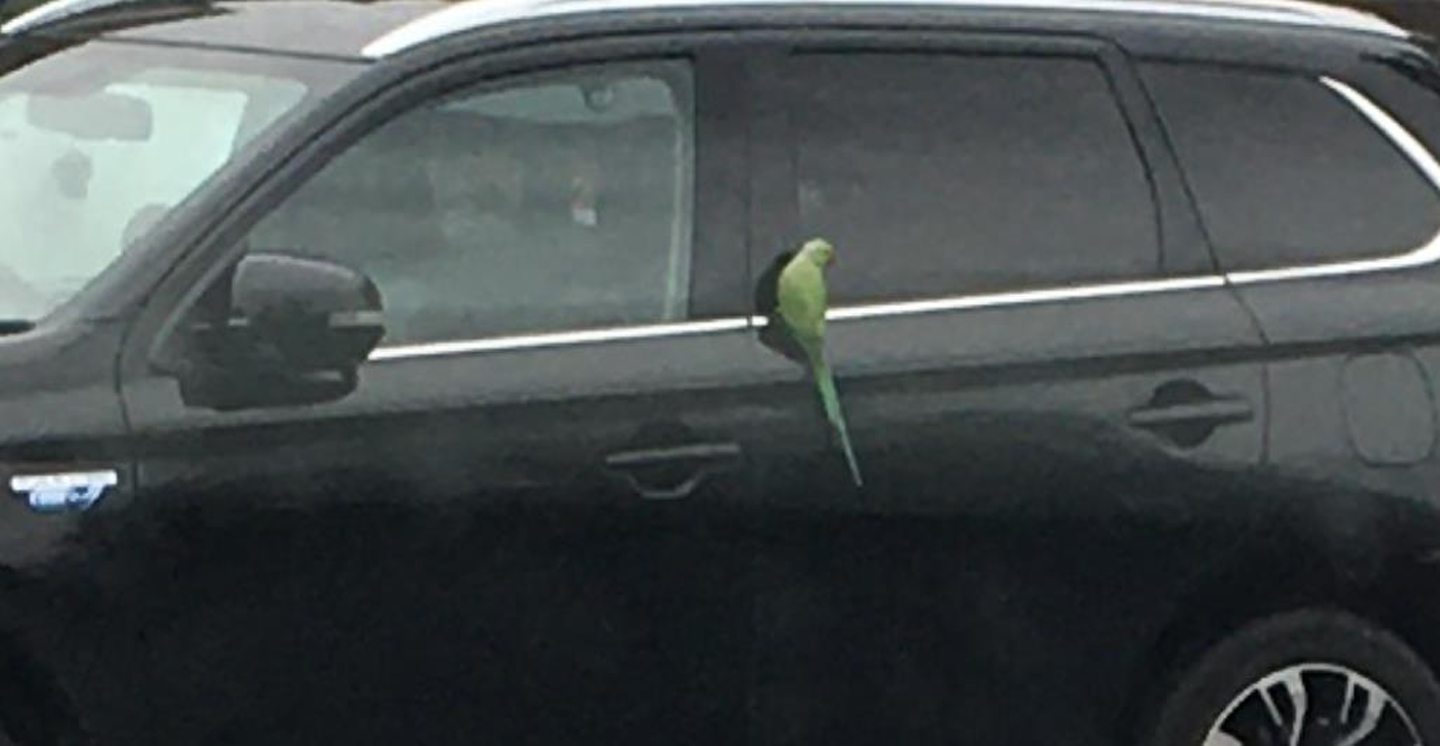
An escaped parrot has been causing “a lot of problems” at an Inverness neighbourhood.
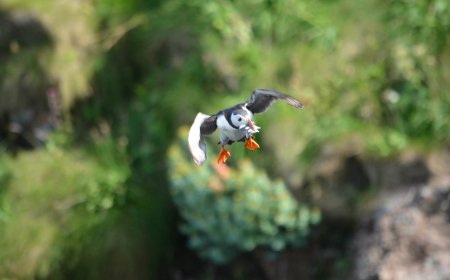
Neighbours in Lochardil explain that a ring-necked parakeet, an invasive non-native species in the UK, is damaging cars in the area.
Residents told the Press and Journal that the green bird, which was first spotted around February, has been “chewing the rubber” of their car windows and wipers, costing them “hundreds of pounds” in repairs.
They have asked the Scottish SPCA, Nature Scot and the council for help, however, they are unable to assist.
A spokesperson for Nature Scot has confirmed that “retrieving escaped pets and zoo animals is the owner’s responsibility.”
‘Inverness loose parrot chewed my car rubber’
Heather Macdonald, who lives on Balnakyle Road, was walking her dog across the street.
She told The P&J that a few weeks ago the bird “chewed all rubber of her car and her husband’s van windows and wipers”.
She said: “We’re not impressed. I think it’s affected quite a few of the neighbours in the street, just chewing the rubber in the car. Luckily my son-in-law’s a mechanic, so he’s going to fix mine.
“But I’ve heard that a gentleman who’s got a building business just at the back of the road there, it’s cost him thousands of pounds worth of damage to his vehicles.
“I think people have been advised by the RSPB they can’t do anything unless somebody catches the parakeet, and then obviously they’ll take it away, but who’s going to catch it?”
When asked what the overall feeling of the neighbourhood is, she said that “people aren’t happy at all”.
The resident thinks the problematic bird is “the biggest vandal in the area”.
“It’s causing a lot of problems,” she concluded.
Inverness loose parrot has become talk of the neighbourhood
According to Nature Scot, ring-necked parakeets were first confirmed as breeding in Glasgow in 2017 and in the UK, their population has grown rapidly in the last 30 years, mostly around London and Kent.
The organisation told The P&J that there are periodic sightings of one or two ring-necked parakeets at a time in other Scottish cities but, so far, there have been no confirmed breeding attempts outside of Glasgow and the Clyde valley.
Be that as it may, the unwanted visitor has become the talk of the neighbourhood in the Lochardil area.
Nicola, who was also walking her dog on Laggan Road, explained that she has seen it “quite a few times on various places and is surprised it survived the winter.
Around half a dozen like Helen, also on Laggan Road or Angus, on Balnakyle Road, told us that they have heard a lot about it, but haven´t see it.
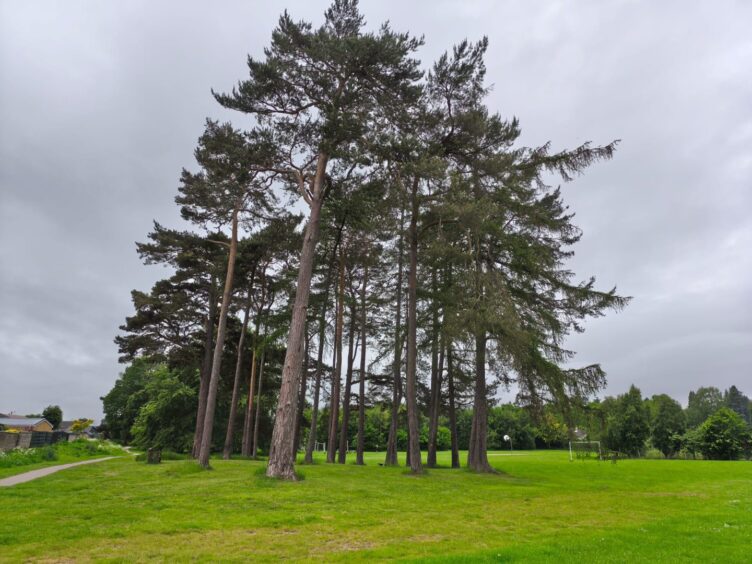
However, young resident Drew Dawson claims to have seen the escapee bird “many times”, with the last one being in his back garden “a couple of days ago.”
“It´s nice to look at. Check out it´s normally in the trees in the park behind the house,” he said.
Heading to the park near Balnakyle Road, we spoke to a neighbour who has managed to capture the parrot on camera.
The animal can be seen pecking at some car widow.
The woman explained: “It often sits on my neighbour’s trees. There are cars in the area that have been covered with tarpaulins because it´s pecking at the rubber of the cars.
“It´s been here for a while, for a few months now, I’m surprised it survived the winter and that wild birds haven´t grilled it.
“It´s probably that he sees its reflection in the window and starts pecking at it.”
Hundreds of pounds in repairs following parrot rubber feast
Audrey Anderson, who lives near the park, said that the parakeet often appears at her back garden.
The resident does not have a car, so has not been affected, but says her son suffered it during a visit.
She explained: “My son and his daughter came visit from Lanarkshire a few weeks ago and they left the car outside thinking this is a quiet area; no one will do anything to the car.
“When he went out the next morning, the rubber was all peeked, so he had to pay the excess fee to the car hire.
“He’s got some beak!”
Meanwhile, across the park, on Morven Road, we spotted a car that has been fully covered with a tarpaulin.
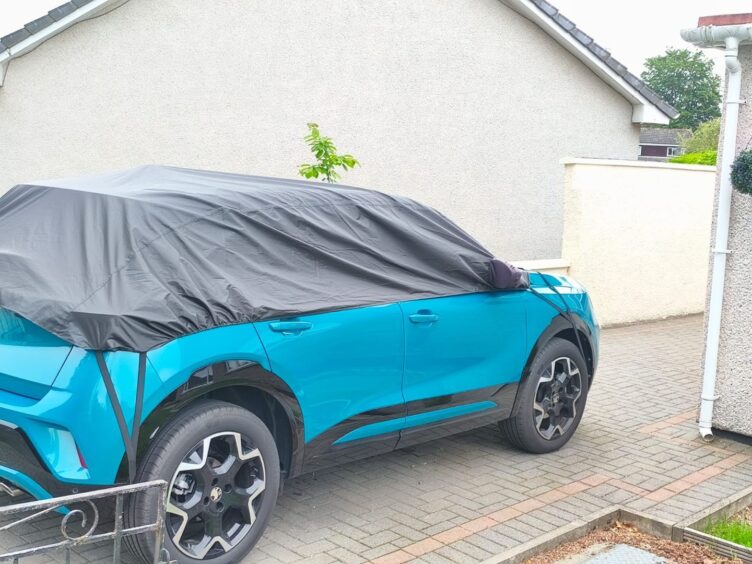
We knocked on the door of the house and Mrs Mackinnon opened the door.
She revealed that her car had to undergo “costly repairs” following one of the now famous rubber feasts of the bird.
She said: “It chewed all the way around the rubber.
“The only way to protect cars is to put a cover over them.”
“It was costly repairs, I don´t want to specify but in the high hundreds.”
‘Retrieving escaped pets and zoo animals is the owner’s responsibility’
The P&J contacted NatureScot following neighbours’ concerns.
A spokesperson said: “Wild birds, such as crows and rooks will sometimes eat or dismantle windscreen wipers.
“In such cases, NatureScot can give advice on actions people can take to avoid damage to their property, such as covering their car or preventing the bird seeing its reflection.
“As this parakeet is almost certain to be an escaped pet, it is not protected by the law in the same way as a wild bird. This means that someone can legally catch it and keep it as a pet or rehome it if they wished.
“Retrieving escaped pets and zoo animals is the owner’s responsibility. NatureScot can assist the owner or members of the local community to catch escaped animals by providing advice or lending them traps.
“However, we would only act ourselves to prevent an invasive non-native species new to Scotland from becoming established.”
[Source: Press and Journal]