
/file/attachments/orphans/ED_543155_209242.jpg)




















US and Iran exchange strikes as ceasefire crumbles
American forces launch ‘self-defence strikes’ after downing of Apache helicopter puts two sides on brink of return to war

The United States and Iran have exchanged missile attacks after the downing of an American Apache helicopter in an escalation that threatens to blow apart the two-month ceasefire.
US Central Command (Centcom) said American forces had carried out multiple waves of attacks against the Iranian regime on Tuesday, an operation that it characterised as “self-defence strikes”.
They are the first major US strikes since a ceasefire was announced on April 7, and mark a return to a war that Donald Trump had pledged “would be over soon”.
Iran hit back in the early hours of Wednesday morning, launching missiles at Al-Azraq air base in Jordan, while sirens were heard over Kuwait and Bahrain amid suspected drone attacks.
The US president had vowed to respond after it emerged earlier on Tuesday that the Apache AH-64 had been knocked out of the sky by Iran, prompting a US mission to rescue the two pilots.
According to Iranian state media, several areas were rocked by explosions including Bandar Abbas, and Qeshm, an Iranian island located in the Strait of Hormuz, which was attacked by a fighter jet.
Six explosions were heard, a source claimed. Other potential strikes were reported across Hormozgan province, including the port of Sirik.
In a Truth Social post on Tuesday, Mr Trump claimed Iran had “shot down” the Apache, although Axios reported that a drone had collided with the helicopter and it was unclear whether the collision was intentional.
“I have just been informed by our Great Military that last night the Iranians shot down one of our highly sophisticated Apache Helicopters while patrolling over the Strait of Hormuz,” the president continued.
“There were two pilots involved, both are safe and uninjured. Nevertheless, the United States must, of necessity, respond to this attack.”
After the retaliatory strikes, Mr Trump told ABC News: “This is a response to what they did… with our helicopter last night, and I believe the response should be very strong, very powerful, and that’s what this one is.”
First-of-its-kind rescue mission
Both pilots were rescued by a sea drone in a first-of-its-kind rescue missionon Monday. They had been in the water for approximately two hours and were picked up by a Corsair surface boat before being evacuated by helicopter.
The extent of the US strikes is unclear, and Mr Trump appeared to downplay the significance of the destruction of the Apache, which cost upwards of $50m.
The incident “wasn’t a big deal”, he said.
Nevertheless, the confrontation between the US and Iran marks yet another blow to the fragile ceasefire, which has been marred by attacks from both sides.
Earlier on Tuesday, Mr Trump claimed that a peace agreement to end the war in Iran could be reached in “two or three days” and that the Strait of Hormuz would open immediately after. Centcom has declined to comment on what specific mission the Apache was performing when it crashed on Monday.
However, the attack helicopters, which are equipped with Hellfire missiles, have been used to enforce the US’s blockade of Iranian ports and destroy the fast boats the regime has used to menace commercial traffic in the strait.
The US has previously fired missiles at Iranian military sites along the coastline in response to ceasefire violations.
On Friday, it attacked Iranian coastal surveillance radar sites located on Qeshm after attack drones were launched towards the Strait of Hormuz, according to Centcom.
Mehr, an Iranian state news agency, denied that Iran was responsible for the attack.
Minutes before Mr Trump’s comments, Mohammed Baqer Qalibaf, an Iranian government spokesman, said: “We prefer the language of diplomacy, but we speak other languages far more fluently. Break your commitments, and we’ll switch to what we speak best. You ride the horse you saddled!”
Tehran’s state media had previously acknowledged the incident, but did not elaborate.
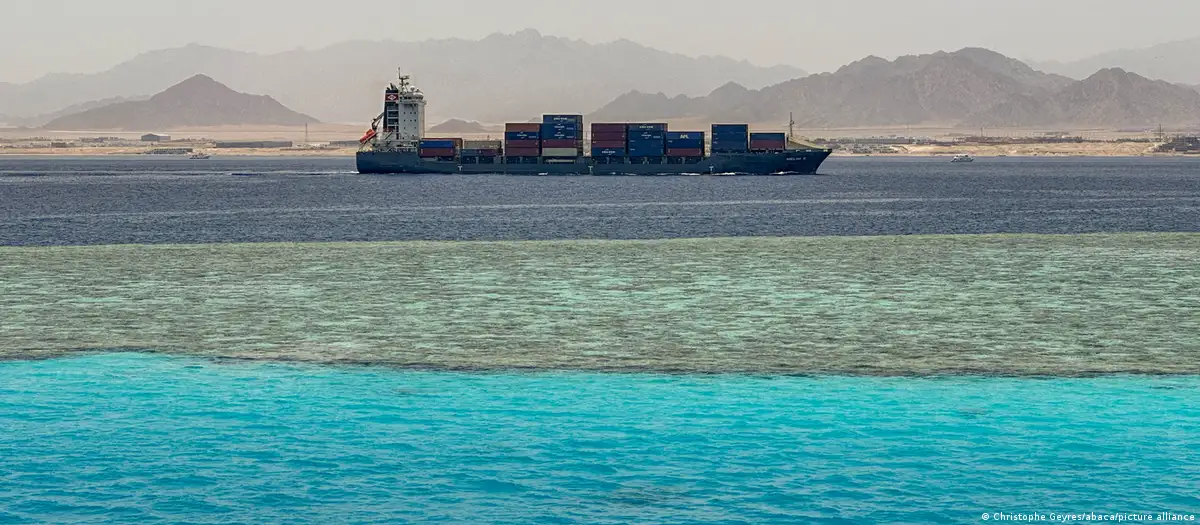
The Strait of Hormuz, vital for the transportation of oil, has been choked off since war began on Feb 28. The US, in return, has been enforcing its own blockade since April.
The Middle East is still reeling from Monday’s air strikes by Iran and Israel, which have placed a greater strain on the nominal ceasefire in place across the region. An Israeli strike on Lebanon on Sunday night provoked Iran to respond.
Despite an appeal from the US president, Israel retaliated by striking Iran, marking another display of defiance from Benjamin Netanyahu against his US counterpart, who has scrambled to reassert his control over the conflict.
Mr Trump told the BBC that Israel’s missiles, fired in retaliation for Tehran’s salvo on Sunday, “were already on the way” before he ordered Mr Netanyahu to stop firing at Iran.
“If I tell him to do something, he does it,” he said of Mr Netanyahu, amid questions over their relationship.
Israel has increasingly defied Mr Trump as hardline ministers pile pressure on Mr Netanyahu to intensify strikes against Iran and Hezbollah, the Lebanese terrorist group.
The White House has also expressed concern after reports of Israel spying on the US, with the Pentagon assessing the threat of Israeli espionage as “critical”.
Mr Trump recently shouted at Mr Netanyahu on the phone and told him that everyone hated Israel after the Israeli army embarked on the deepest incursion into Lebanon in decades. Yechiel Leiter, Israel’s ambassador to the US, downplayed reports of tension. He told Fox News that “sometimes lovers have a spat” and that the pair had a “deep friendship that goes back some 40 years”.
He added that Mr Netanyahu decided to “lower the temperature” on military action against Iran after Mr Trump had asked him to.
“For the most part, we’re dealing with a very, very close collaborative effort between the United States and Israel, and there’s tremendous understanding,” Mr Leiter said.
The long-range missile exchange marked the first direct attacks between Israel and Iran since Mr Trump declared a ceasefire on April 8.
Earlier on Tuesday, Mr Trump had said that a peace deal was possible “in two or three days”, adding: “They were going back and forth, and now they both agreed, through me, to stop, and now we’re in the final throes of what will be a very, very good deal that will not in any way allow nuclear weapons.”
Israel and Iran had agreed to halt fighting for a week on Monday after Mr Trump said he had a “very good conversation” with Mr Netanyahu.
[Source: Daily Telegraph]