


/file/attachments/orphans/ED_543155_209242.jpg)
























Strategic facilities across multiple cities feel the impact of coordinated aerial bombardment
Pentagon intensifies campaign to degrade Iranian defensive capabilities following helicopter downing
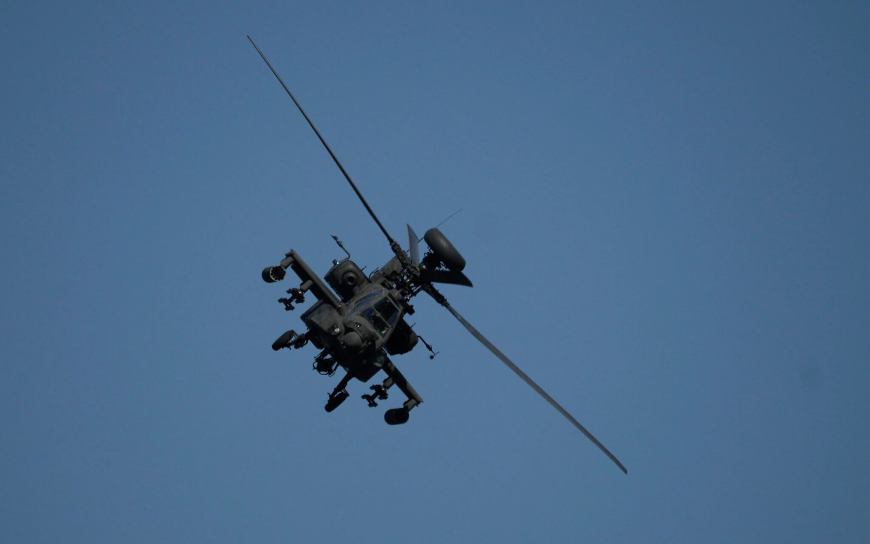
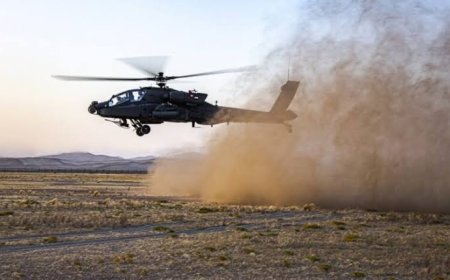
American forces unleashed a second wave of intense air strikes targeting crucial military infrastructure inside Iranian territory on Wednesday evening. This massive retaliatory operation followed the recent downing of a United States Army Apache helicopter near the strategic Strait of Hormuz. Consequently, joint military assets executed precise bombardments to eliminate immediate threats to international shipping lanes and coalition personnel.
United States Central Command coordinated the offensive using a powerful combination of Marine Corps, Air Force, and Navy aircraft. These sophisticated warplanes successfully disabled multiple advanced air defense batteries, vital communication nodes, and sensitive naval surveillance installations. Meanwhile, loud explosions reverberated throughout the capital city of Tehran and several major coastal hubs along the southern corridor.
Sustained aerial attacks heavily impacted military assets located in the strategic locations of Bandar Abbas, Karaj, and Qeshm Island. Defense officials reported that forty-nine Tomahawk cruise missiles successfully struck critical targets during the initial hours of the operation. Therefore, the strategic capabilities of the Islamic Revolutionary Guard Corps suffered significant degradation during this highly coordinated campaign.
Senior military commanders emphasized that these measures were necessary to restore deterrence and protect valuable assets in the region. National security advisors warned that continued hostile actions against American patrols would result in even harsher consequences very soon. Accordingly, additional carrier strike groups positioned themselves nearby to maintain maximum readiness for any potential escalation or retaliation.
International observers expressed deep concern over the escalating violence and the potential collapse of previous regional maritime ceasefires. However, defense representatives insisted that commercial vessels continued to transit safely through international waters despite the heightened tensions. Finally, the dramatic show of force demonstrated the unwavering commitment of the administration to defend its strategic interests abroad.
[Source: The Guardian]