





/file/attachments/orphans/ED_543155_209242.jpg)


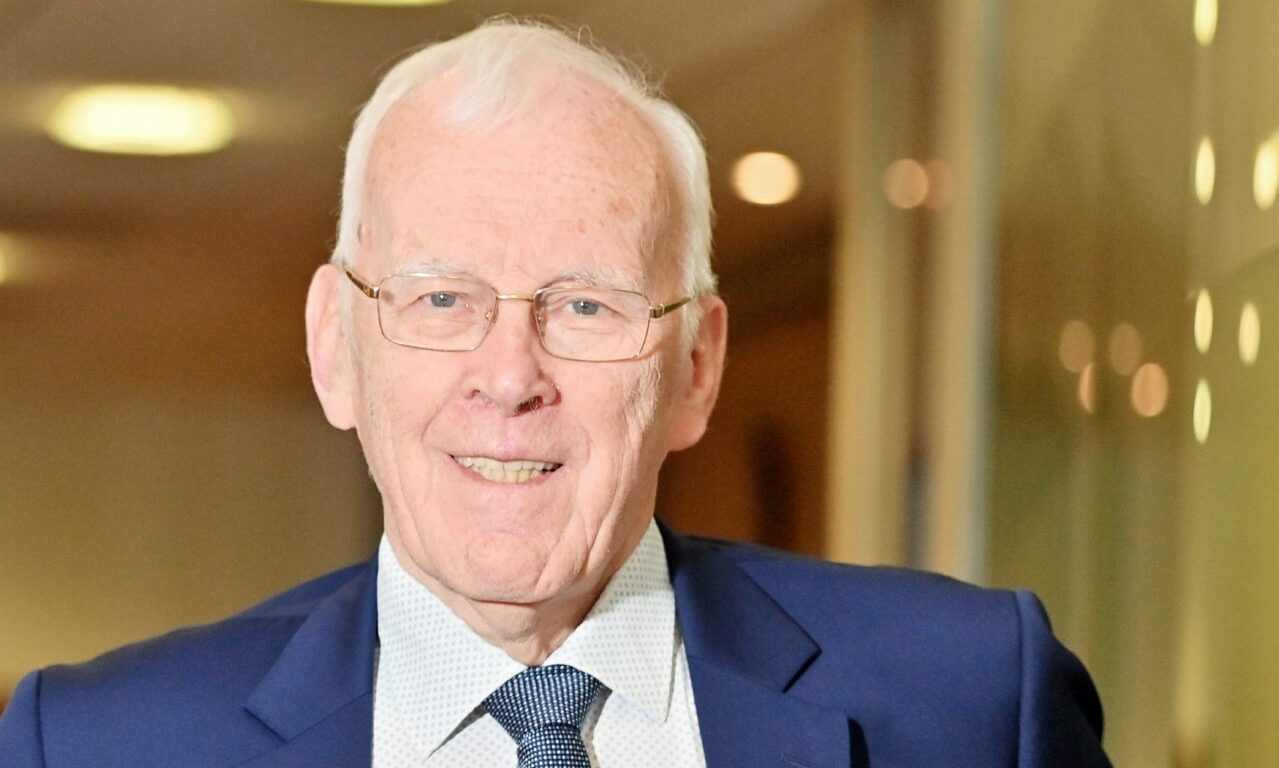


















Alan Hale, astronomer who jointly discovered Comet Hale-Bopp
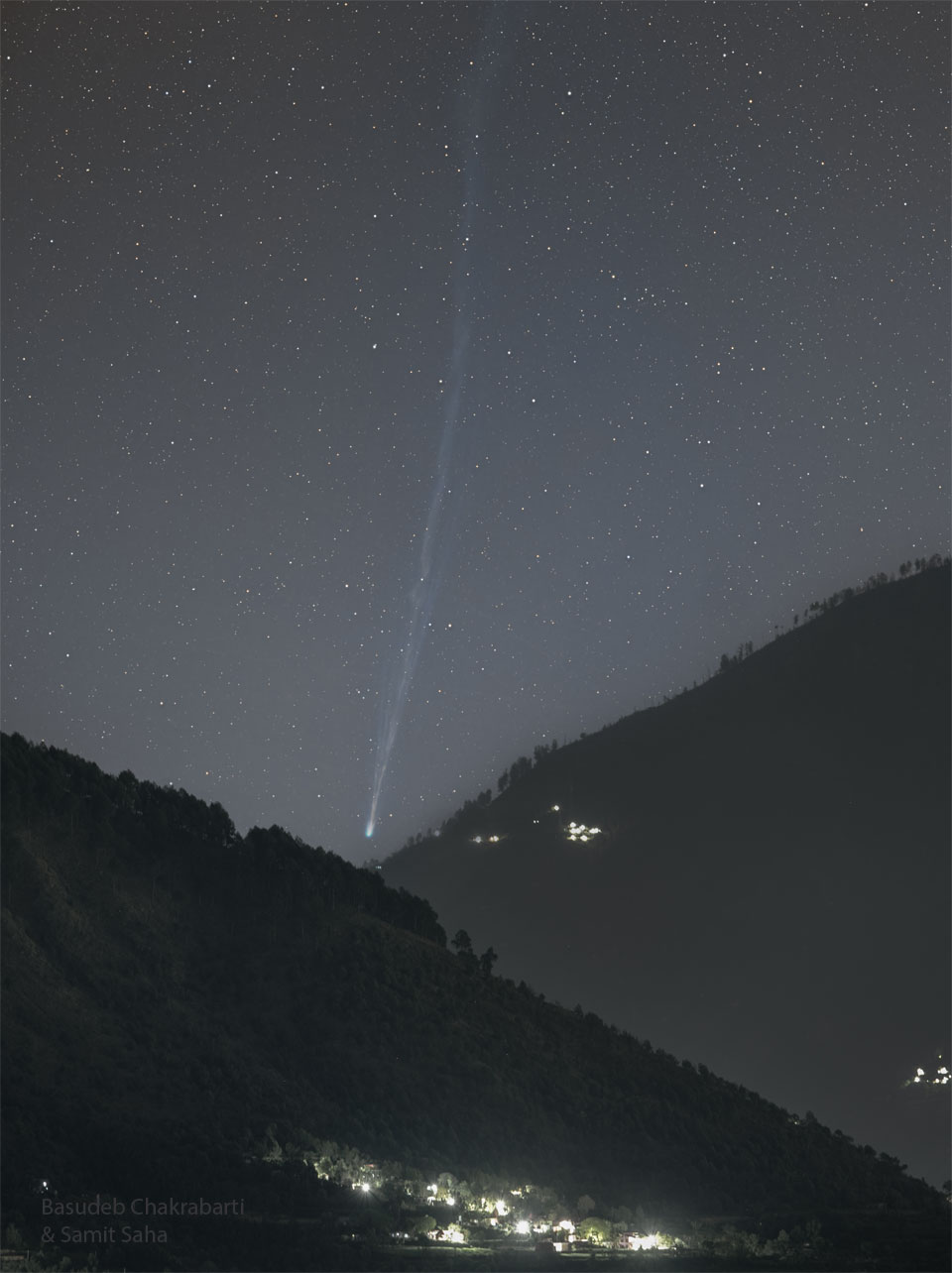
He was the co-discoverer, with Thomas Bopp, of Comet C/1995 01, better known as Comet Hale-Bopp, which put in a spectacular appearance in early 1997 before departing for a 2,400-year journey through deep space.

Alan Hale, who has died aged 67, was the co-discoverer, with Thomas Bopp, of Comet C/1995 01, better known as Comet Hale-Bopp, which put in a spectacular appearance in early 1997 before departing for a 2,400-year journey through deep space.
On July 23 1995 Hale, who described himself as an “all-but-unemployed professionally trained scientist” in New Mexico, and Bopp, an amateur astronomer in Arizona, had their telescopes trained on Messier 70, a cluster of stars within the Milky Way, when they were surprised to see what Hale called a “dinky fuzzy object” in the sky nearby.
“It was strange because I’d looked at M70 a couple of weeks earlier and the object hadn’t been there,” he recalled in 1997. A few hours later the object had moved, and he concluded that it must be a comet.
The two men independently sent their observations to the International Astronomical Union’s Central Bureau for Astronomical Telegrams, and within hours the bureau confirmed the new comet and named it after its discoverers.
Nearly two decades had passed since a good visible comet had graced the skies, and it soon became clear that Hale-Bopp, with an icy core some 25 miles in diameter, was a big and unusually bright one – bigger than Halley’s Comet and more than four times the size of the comet that crashed into Earth 65 million years ago and is thought to have killed the dinosaurs.
Hale-Bopp was visible to the naked eye for about 18 months, its closest approach to Earth occurring on March 22 1997. It caught the public imagination, though not always in a good way. On March 26, 39 members of the Heaven’s Gate religious cult in California took their own lives in the hope of being transported to an alien spaceship flying in the comet’s wake.
“I fully expected there to be suicides,” recalled Hale, a contributor to Skeptical Inquirer magazine. “Score another victory for ignorance and superstition.”
Alan Hale was born on March 7 1958 in Japan, where his father was serving in the US Air Force, and brought up in Alamogordo, New Mexico. After leaving school, he served in the US Navy, taking a degree in physics at the US Naval Academy, then worked as an engineering contractor at Nasa’s Jet Propulsion Laboratory in California until 1986. Afterwards he took a Master’s degree in astronomy, followed by a PhD, at New Mexico State University, Las Cruces.
But he struggled to find work and took a low-paid temporary job at a New Mexico space museum. He wrote an astronomy column for a local newspaper and took part-time teaching posts that paid him less than the minimum wage.
In 1993 he founded the grand-sounding Southwest Institute for Space Research (later renamed the Earthrise Institute) which, he admitted in 1997, consisted of himself and a couple of pieces of equipment, including a donated telescope.
The discovery of Hale-Bopp proved a turning point in his fortunes. Hale found himself in demand on the $500-a-night lecture circuit, which he used as a platform to champion the cause of scientists facing job insecurity.
He and Bopp made public appearances together, and in 1996 Hale published Everybody’s Comet: A Layman’s Guide to Comet Hale-Bopp. In 1999 he assembled a group of scientists and students for a two-week trip to Iran, coinciding with a solar eclipse. “The sky looks the same from Iran as it does from here in the US,” he said later. “It’s the same sky we study... Science does not know political boundaries.”
But it was Hale-Bopp that had given him his big break: “After all my education… what is giving me a chance to provide for my family is this accidental discovery I’ve made,” he said.
He is survived by his wife Vickie and by two sons.
Alan Hale, born March 7 1958, died June 6 2026
[Source: Daily Telegraph]