
/file/attachments/orphans/ferial-andy_649260.jpg)




















American diplomats plan return to Tripoli
A major proposal allocates forty one million dollars for embassy operations in Libya
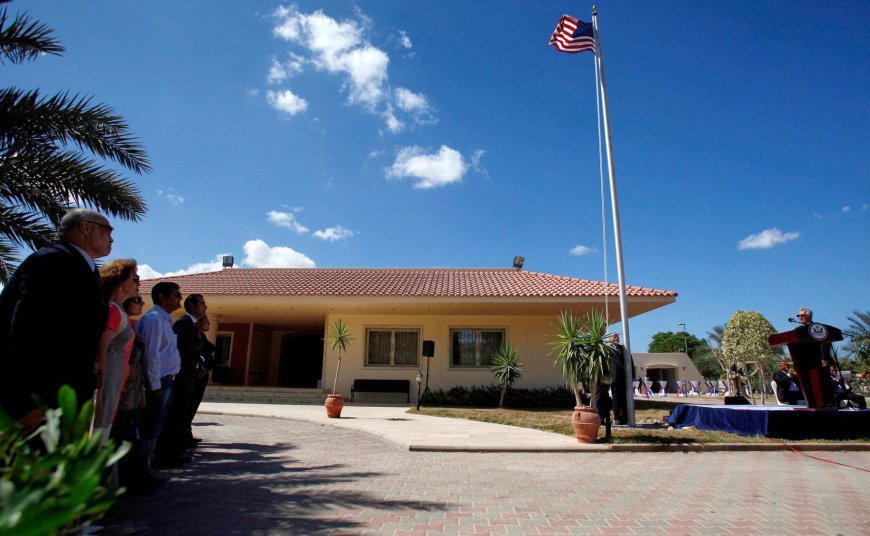
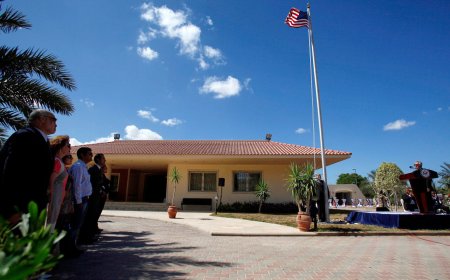
American diplomats notified Congress regarding new plans to allocate forty one million dollars toward reopening their long closed Tripoli facility. consequently, State Department officials seek to reestablish formal diplomatic operations inside Libya following nearly fourteen long years of continuous absence. furthermore, this major initiative marks a pivotal milestone for restoring official American engagement throughout key strategic regions across North Africa.
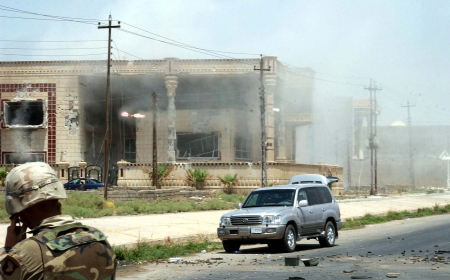
initially, violent civil conflict forced American embassy personnel to evacuate their diplomatic compound in Tripoli during chaotic battles in July. subsequently, diplomats maintained remote operations from temporary offices operating within nearby Tunisia as well as the Mediterranean island of Malta. meanwhile, foreign policy strategists emphasized that physical absence severely hindered direct local communication with important political leaders throughout North Africa.
accordingly, this new funding will enhance security infrastructure around a designated satellite facility located near key coastal areas in Tripoli. thereafter, specialized security teams will protect visiting American personnel while local diplomats prepare permanent headquarters inside the urban diplomatic zone. additionally, State Department officials highlighted urgent national security interests while countering expanding influence from rival global powers across North Africa.
specifically, officials expressed deep concern regarding growing military footprints belonging to Russia throughout unstable territories across eastern provinces in Libya. ultimately, persistent regional instability poses serious risks toward global energy markets and vital migration management strategies across Mediterranean maritime routes. thus, direct engagement enables American envoys to monitor developing political situations while actively promoting lasting peace between competing domestic factions.
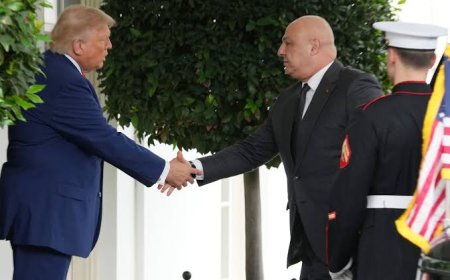
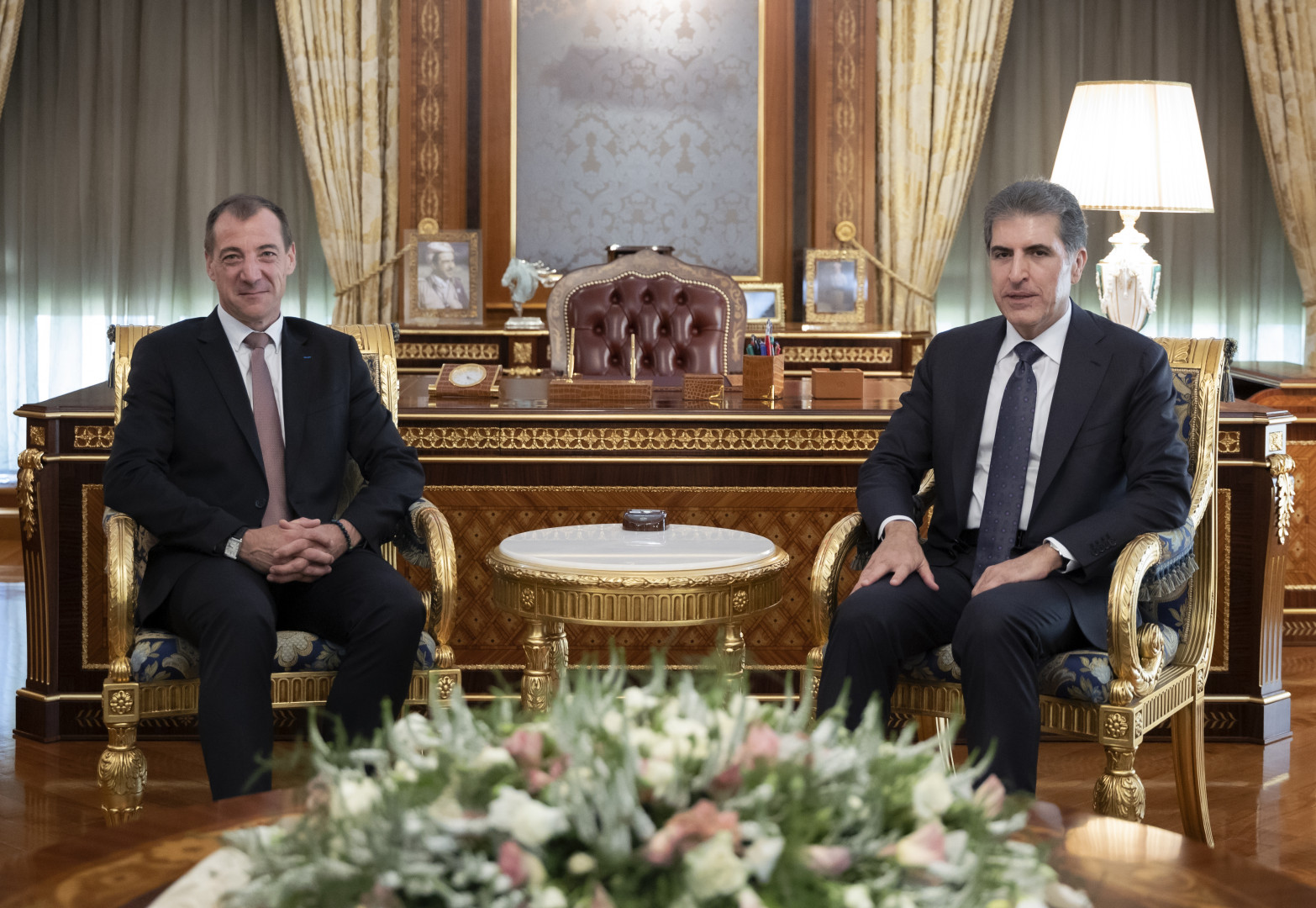
historically, divided internal governance structures slowed national unification efforts following protracted military clashes between rival eastern and western political coalitions. consequently, senior leaders including Marco Rubio and Massad Boulos met recently with Libyan delegates to discuss durable power sharing agreements. therefore, strategic planners in Washington hope that diplomatic backing will accelerate electoral processes while rebuilding essential public institutions across Libya.
furthermore, the current administration recently restored diplomatic operations inside Caracas while pursuing similar operational goals across historic facilities in Damascus. meanwhile, foreign policy experts view these diplomatic initiatives as part of a broader global strategy toward rebuilding diplomatic presence worldwide. finally, congressional committees will review the financial proposal before officers allocate all designated funds for long term construction in Tripoli.
moreover, international partners welcomed the proposed return of American diplomats as an essential step toward fostering enduring regional stability today. similarly, local communities across North Africa express strong optimism that active diplomacy will encourage foreign investment and economic growth soon. undeniably, this major financial commitment signals a broad renewed dedication toward establishing permanent peaceful democratic governance throughout troubled regions worldwide.
[Source: World Journal]