
/file/attachments/orphans/ED_543155_209242.jpg)






















Starmer gets key details of North Sea windfall tax wrong
Prime Minister provokes fury from offshore industry leaders with ‘staggering ineptitude’
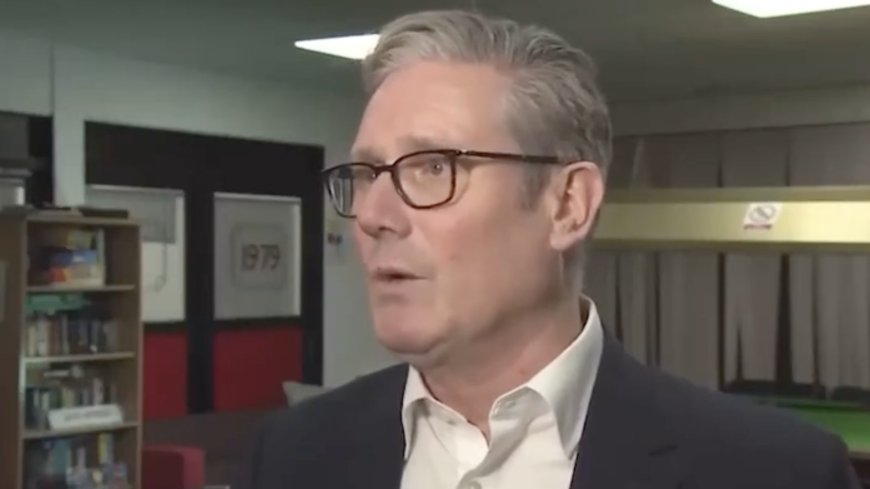
Sir Keir Starmer has been accused of “staggering ineptitude” after he apparently failed to grasp key details about his North Sea windfall tax.
Speaking on a visit to Scotland on Thursday, the Prime Minister claimed incorrectly that the tax on energy profits only kicked in when prices rose sufficiently to create a genuine windfall.
He said this was why Labour was keeping the 78pc tax in place until 2030 – despite the destruction of 1,000 jobs a month as energy companies quit the North Sea.
In fact, the “windfall tax” applies to all profits even if prices have dropped below levels last seen during the energy crisis – meaning there is no longer any windfall.
Asked why he had left the tax in place, Sir Keir stated apparently incorrectly: “As the name makes absolutely clear, this tax only kicks in in relation to particular levels of profit. So it only kicks in at a particular level, so that’s the trigger for it.”
In a separate interview, he also said: “On the windfall tax ... that’s a windfall tax on excessive profits, so it doesn’t kick in. It’s not an automatic tax. The tax only cuts in when profits get to a certain level.”
The blunder provoked fury from leaders of Scotland’s offshore industry.
Robin Allan of Brindex, a trade body for North Sea operators, said Sir Keir appeared “incapable of describing the policies his government have enacted”.
Andrew Bowie, the shadow Scotland secretary, accused the Prime Minister of “staggering ineptitude”.
The windfall tax is blamed for destroying the industry since its introduction by the Conservatives in 2022. When Labour won power last year, it increased overall levies from 75pc to 78pc and extended the windfall tax to 2030.
Daniel Slater, an analyst at investment bank Zeus Capital, said the PM should be forced to clarify his comments to win back support from the industry.
“This levy is continuing to do damage to the UK oil and gas sector, jobs across the supply chain and UK energy security,” he said.
“I think working people in the UK oil and gas industry would like to see the Prime Minister clarify his comments, to reassure the country that the Government does understand what it is doing.”
There is a mechanism to switch the tax off – but for that to happen, oil prices must average less than $76.12 and gas prices less than 59p per therm, both for a full six months.
Oil is well below its threshold but gas is set to stay well above the 59p level, meaning no relief from the levy is in sight.
It means multiple companies have announced cutbacks or departures from UK waters. Harbour Energy, the largest UK operator, has cut 700 of its 1,200 UK staff since the levy was introduced and moved almost all future investment abroad.
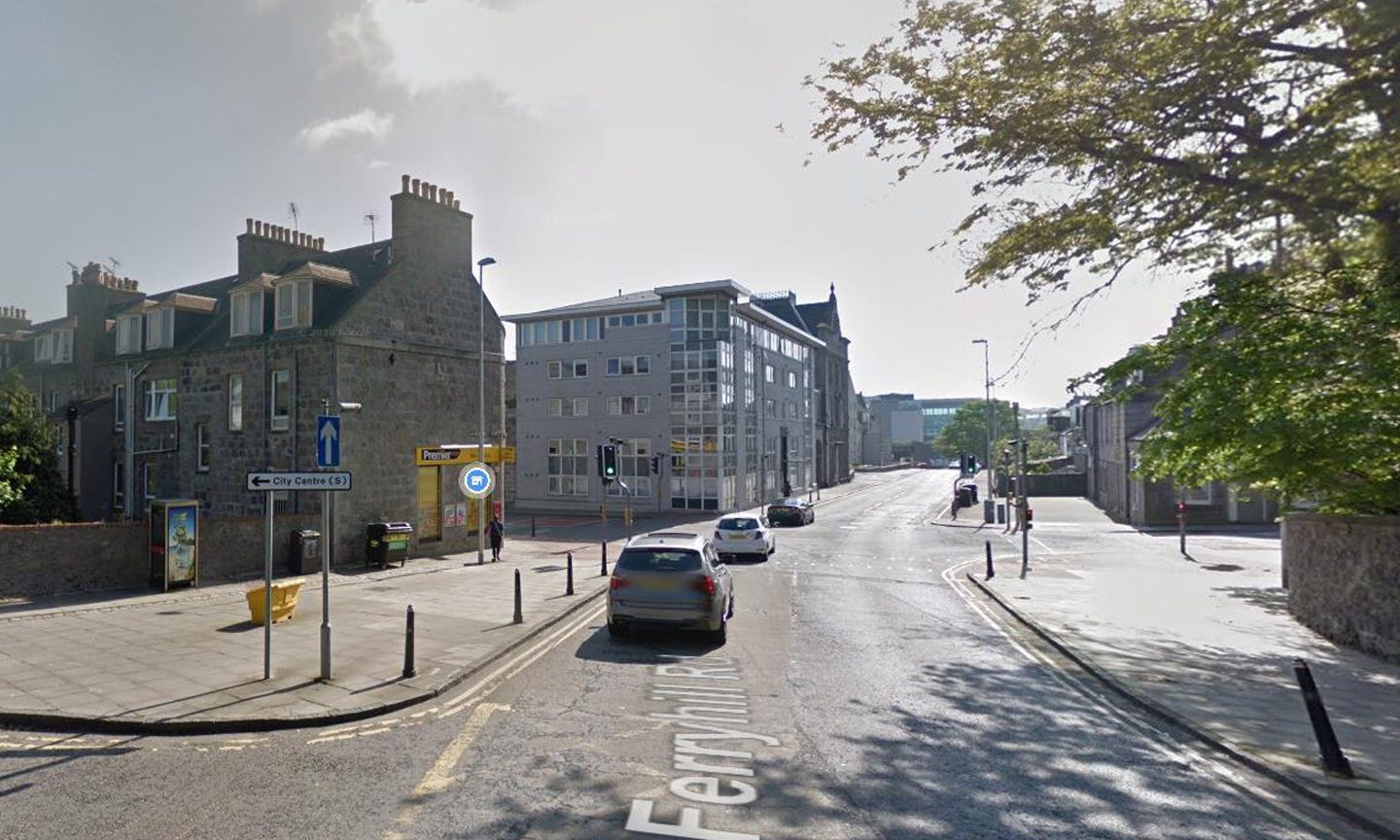
Bob Sanguinetti, who runs the Port of Aberdeen, said the windfall tax had been a disaster for his business with a 25pc drop in supplies going out to the offshore platforms through the port.
“This reflects the dramatic reduction in activity in the energy sector across the length and breadth of the country, with a direct impact on the nation’s ability to accelerate the transition to renewables and an increasing reliance on imports for the UK’s energy needs,” he said.
Mr Allan said: “Unfortunately, the Prime Minister evidently does not understand how the oil and gas industry is taxed in the UK. How can the industry expect to get fair treatment if the leader of the country is incapable of describing the policies his government have enacted?
“It is clear evidence that the Government has not properly understood the detail and implications of their policy on oil and gas.”
Russell Borthwick, the chief executive of the Aberdeen & Grampian Chamber of Commerce, said: “The problem is the windfalls came and went three years ago. The energy transition he promised is turning into an economic nightmare for energy communities.”
The Cabinet Office, Treasury and Department of Energy Security and Net Zero were all asked for comment.
[Source: Daily Telegraph]