













The 35th Anniversary of the March Uprising
Michael EJ Phillips
Today marks the 35th anniversary of the 1991 Uprising in Iraq. It stands as a defining moment in the modern history of the Kurdistani peoples and the wider Iraqi population. Known in Kurdish as Raperîn, the uprising was a collective struggle against dictatorship and oppression. For the people of the Kurdistan Region, it was not only a revolt against the regime of Saddam Hussein but also a powerful expression of the eternal Kurdish quest for their rightful dignity in the face of repression and subjugation.
The uprising took place in the aftermath of the 1991 Gulf War. After Iraq’s defeat, the authority of the Iraqi government appeared weakened, creating a moment of possibility across the country. The people of the Kurdistan Region, who had endured decades of repression, displacement, and violence, rose up alongside Iraqi soldiers returning from the war and civilians determined to end authoritarian rule.
Having long struggled for recognition of their basic linguistic, cultural, political, and human rights within Iraq, the Kurdish identity was frequently suppressed during the rule of the Arab Socialist Ba'ath Party. Kurdish villages were destroyed, populations were displaced, and political opposition was stamped out. This occurred against the backdrop of the Anfal campaign, which took place in the late 1980s. This campaign targeted communities across Iraqi Kurdistan and involved mass killings, forced disappearances, and the destruction of thousands of villages. The trauma of Anfal remained fresh in the memories of Kurdish families when the opportunity for rebellion emerged in 1991 and still remains raw to this day.
At the same time, Kurdish political movements had continued to organise and resist. The Kurdistan Democratic Party played a key role in representing Kurdish aspirations and coordinating resistance. Their armed forces, the Peshmerga, had long defended Kurdish communities in the mountains and rural regions of Kurdistan.
The uprising itself started in early March 1991 and quickly spread through southern Iraq before reaching the Kurdistan Region, where the movement rapidly gained momentum as towns and cities rose up against government control. Kurdish civilians, former soldiers, students, and local fighters united in the struggle. Cities like Slemani, Erbil, and Duhok became centres of the uprising. Local populations, supported by Peshmerga forces, took control of government buildings and administrative centres. For the first time in many years, Kurdish communities felt that the possibility of self-determination was within reach.
The Peshmerga played a particularly important role in the uprising. Their experience in guerrilla warfare and their strong connections with local communities allowed them to organise resistance effectively. Many Kurdish civilians viewed them not only as fighters but also as protectors of Kurdish society and culture.
The uprising was not limited to ethnic or political divisions. In many Kurdish cities, communities of different backgrounds including Kurds, Arabs, Turkmen, Assyrians and others shared a common desire for peace and freedom from repression. The events of 1991 demonstrate the latent potential for coexistence and mutual respect among the diverse peoples of Iraq itself.
Despite its earlier defeat in Kuwait, the Iraqi government still possessed significant military power. Saddam Hussein’s regime responded to the uprising with overwhelming force, deploying tanks, artillery, and helicopter gunships against rebel-held areas. In the Kurdistan Region, Iraqi forces launched a counter-offensive that forced large numbers of civilians to flee their homes. Entire families escaped toward the mountainous borders with Turkey and Iran, fearing reprisals and renewed violence.
The mass displacement was catastrophic in human terms. Hundreds of thousands of Kurdish civilians found themselves stranded in freezing mountain conditions with limited access to food, water, or shelter. Images of suffering families and exhausted refugees reached international audiences, prompting widespread concern.
The ensuing humanitarian crisis eventually led to international intervention, including support from organisations like ÉquiLibre of France, who continued from this point to support the country in later such situations including with their 1996 school canteens project. Western countries launched Operation Provide Comfort at the initiative of United Kingdom Prime Minister [now Sir] John Major to deliver aid and establish protection for Kurdish civilians. As part of this effort, a no-fly zone was created over northern Iraq, preventing Iraqi aircraft from operating in the region.
This development had far-reaching consequences. With the regime’s air power restricted, Kurdish political leaders and communities were able to begin organising a new system of governance in the region. Over time this process led to the emergence of the Kurdistan Region as a semi-autonomous area within Iraq. The establishment of Kurdish self-administration opened a new chapter in the region’s history. Political institutions began to develop, and Kurdish leaders sought to build a society based on pluralism, coexistence, and tolerance among different ethnic and religious communities.
The legacy of the uprising has shaped the identity of the Kurdistan Region of Iraq in important ways. The suffering experienced during decades of conflict reinforced a strong desire among Kurdish communities to create a more inclusive and peaceful society. The region has now became known for its stability compared with other parts of Iraq. The Peshmerga continue to serve as the defence forces of the region, protecting not only Kurdish communities but also many minorities seeking safety during times of conflict elsewhere. For example during the 2014 invasion and persecution of Yazidi people, and more recently with Syrian refugees. This highlights the commitment to peaceful coexistence.
Today the 1991 Uprising is commemorated each year across the Kurdistan Region. Memorials, public ceremonies, and educational events honour those who lost their lives during the struggle. Survivors and witnesses continue to share their stories, ensuring that the sacrifices made during the uprising are not forgotten.
Cities such as Slemani and Erbil hold special significance in these commemorations, as they were among the first places where Kurdish communities reclaimed control from the regime. The events are remembered not only as a rebellion but also as a moment of unity among the people of Kurdistan.
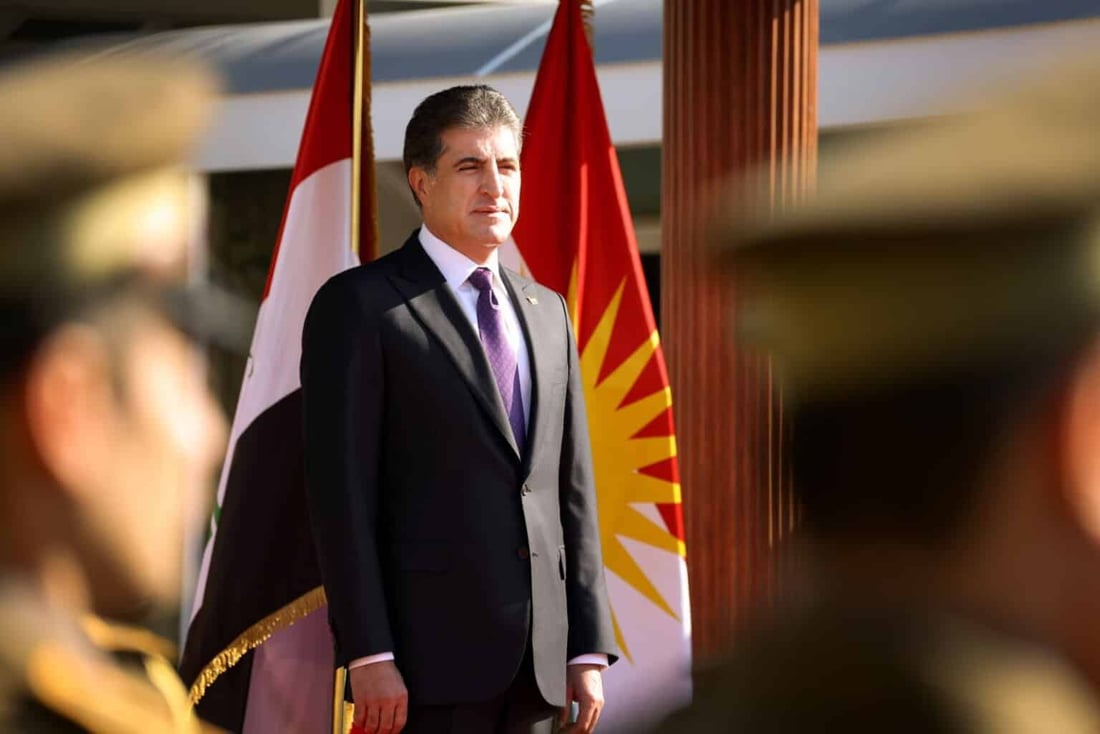
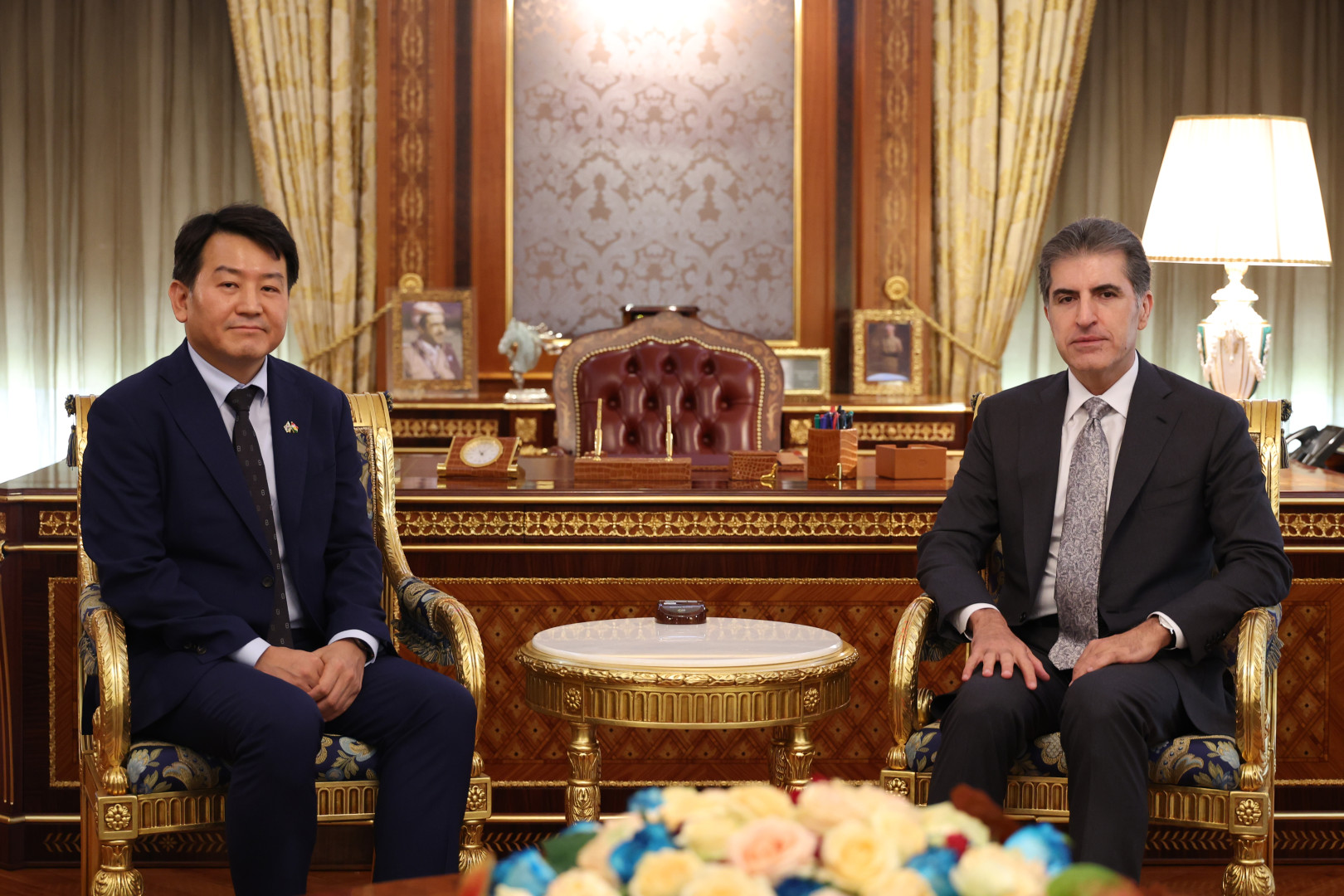
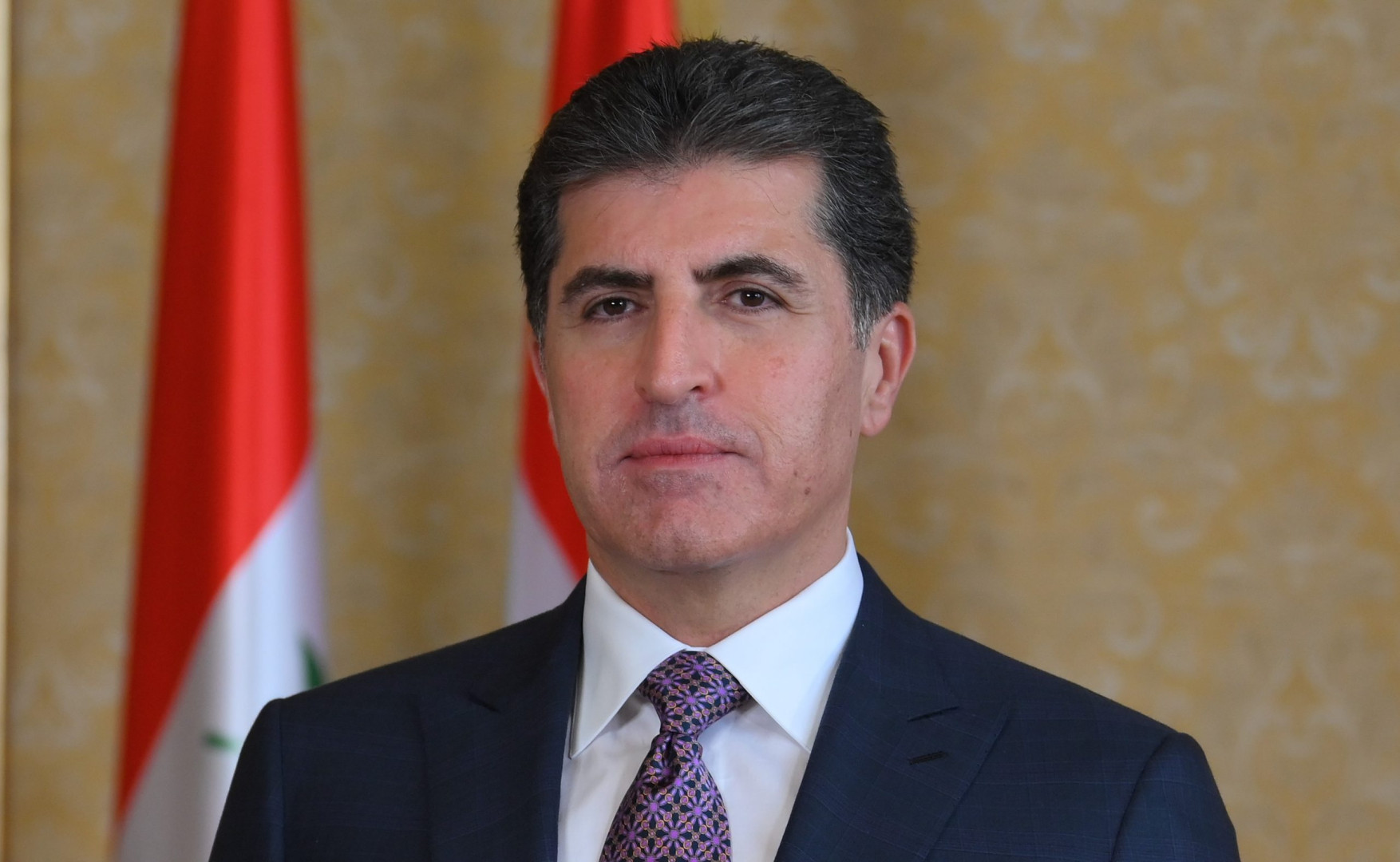
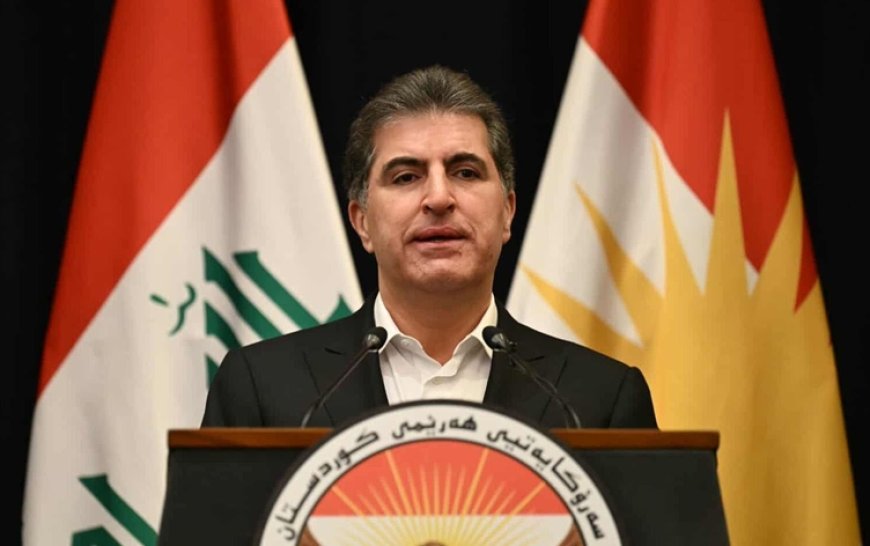
Speaking today in Erbil on 5 March 2026, President Nechirvan Barzani said, “This sacred anniversary arrives during a period when the region faces a complex and delicate situation. The rising tensions and adverse effects of the conflict impose a significant responsibility on all of us to uphold peace and stability within the Kurdistan Region.
On this occasion, we reaffirm that the Kurdistan Region will consistently serve as a cornerstone of peace and will not engage in any conflict or military escalation that jeopardizes the lives and security of our people. Safeguarding the status of the Kurdistan Region and our constitutional achievements can only be realized through unity, solidarity, and a collective national responsibility among all political parties, and communities in Kurdistan.”
The 1991 Uprising remains a turning point for the Kurdistani peoples and for Iraq as a whole. Emerging from years of repression and conflict, the uprising demonstrated the determination of Kurdish communities to defend their rights and shape their own future. Although it was met with violence and displacement, it laid the foundations for the institutions of Iraqi Kurdistan. The courage of the Peshmerga, the resilience of Kurdish civilians, and life in the spirit of coexistence and tolerance under President Nechirvan Barzani continue to define the region’s identity today.
Thirty-five years later, the memory of Raperîn endures as a symbol of resistance, hope, and the enduring importance of freedom and dignity for the Kurdish people.