

/file/attachments/orphans/ED_543155_209242.jpg)















The importance of football in Iraqi Kurdistan
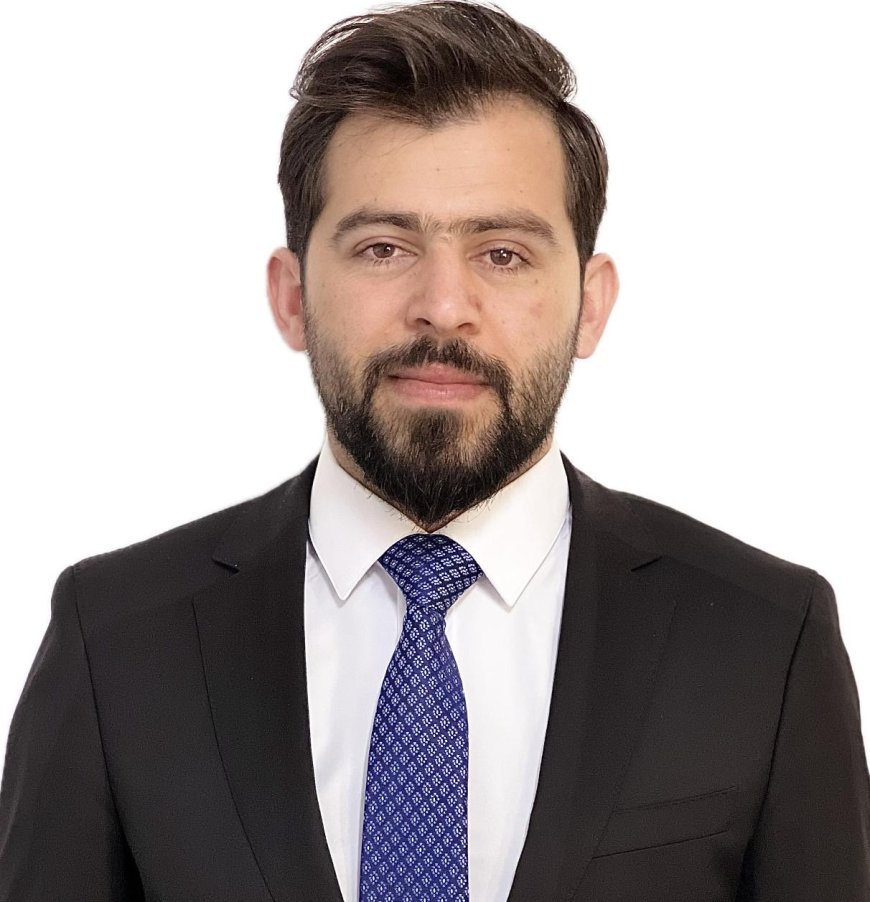
Rostam Salman Hamad / Catholic University in Erbil
Football is a very popular activity in modern Iraqi Kurdistan, particularly among the young people. More than a sport, it has become a cultural symbol, a platform for youth development, and a tool for dialogue and conflict resolution. Over the last two decades, stadiums, clubs, and supporters have helped shape how Kurdish society expresses identity, unity, and hope for the future.
Since the early 2000s, stability in Iraqi Kurdistan has allowed sports infrastructure, leagues, and fan culture to expand. Local clubs have gained stronger positions in Iraqi competitions, helping Kurdish communities feel represented on the national stage.
There is a key link between football and identity throughout the world - a classic example being Celtic (Glasgow, Catholic) and Rangers (Edinburgh, Protestant) in Scotland. Religion and city are defining characteristics in old rivalries, and the same may be said of football in Iraqi Kurdistan and Iraq. For many Kurds, the stadium is a place where language, culture, and collective pride are expressed openly. Matches bring together people from different cities and backgrounds, creating moments of unity that go beyond everyday political or social divisions. Because of this, football continues to serve as a social and symbolic force in Kurdish society.
The importance of football in Iraqi Kurdistan can be clearly seen through the rise of Zakho FC. The club has become a major symbol for the city of Zakho and for Kurdish football more generally. Supporters travel from across the region to attend matches, creating an atmosphere that reflects strong local identity and solidarity.
Zakho’s performances in Iraq’s top football competitions have strengthened its reputation and inspired pride across the region. Success on the field demonstrates that Kurdish teams can compete at a high level nationally. These achievements matter not only for sports fans but also for the communities that identify closely with their clubs.
Football clubs in Iraqi Kurdistan often function as social institutions. They bring together people of different ages, backgrounds and social classes. The loyalty of supporters, the excitement surrounding matches, and the shared experiences of victories and defeats all contribute to a strong sense of belonging.
For many people, a club can represent their city’s identity. When teams like Zakho perform well, people feel that their community is being recognized on a larger stage. This connection between club and city helps explain why football remains so important in everyday life.
Football plays a crucial role in shaping opportunities for the young people in Iraqi Kurdistan – they are the nation’s future after all. There is a large young population here, and sport provides a constructive outlet for energy, ambition, and creativity. Local clubs, training, and school, institute and university competitions give young players the chance to develop their abilities and gain confidence as well as foster team-working and understanding of others, something which is important in the Middle East.
Therefore, beyond the game, football teaches important life skills such as teamwork, discipline, and leadership. These qualities are valuable for young people growing up in a society that has experienced conflict and rapid change. Participation in sport in general can help strengthen social connections and encourage positive personal development.
The success of Kurdish teams often inspires younger generations. When the young people see players from their region competing at high levels, it motivates them to pursue their own ambitions, whether in sport or other areas of life.
Another important role of football in Iraqi Kurdistan is its contribution to dialogue and conflict resolution. Iraq and Iraqi Kurdistan in particular are highly diverse with different ethnic, cultural, and political groups. Football competitions create opportunities for people from these different communities to interact in a peaceful and structured environment.
Sport can function as a form of soft diplomacy. Matches allow people to share experiences, celebrate athletic talent, and respect competition without turning disagreements into conflict. Even strong rivalries often remain within the boundaries of sport, helping build mutual understanding.
In Iraqi Kurdistan, games involving Kurdish clubs and teams from other Iraqi regions show how football can strengthen connections within the country. Supporters and players interact in ways that foster respect and communication. Over time, these interactions can contribute to reducing tensions and building trust between communities.
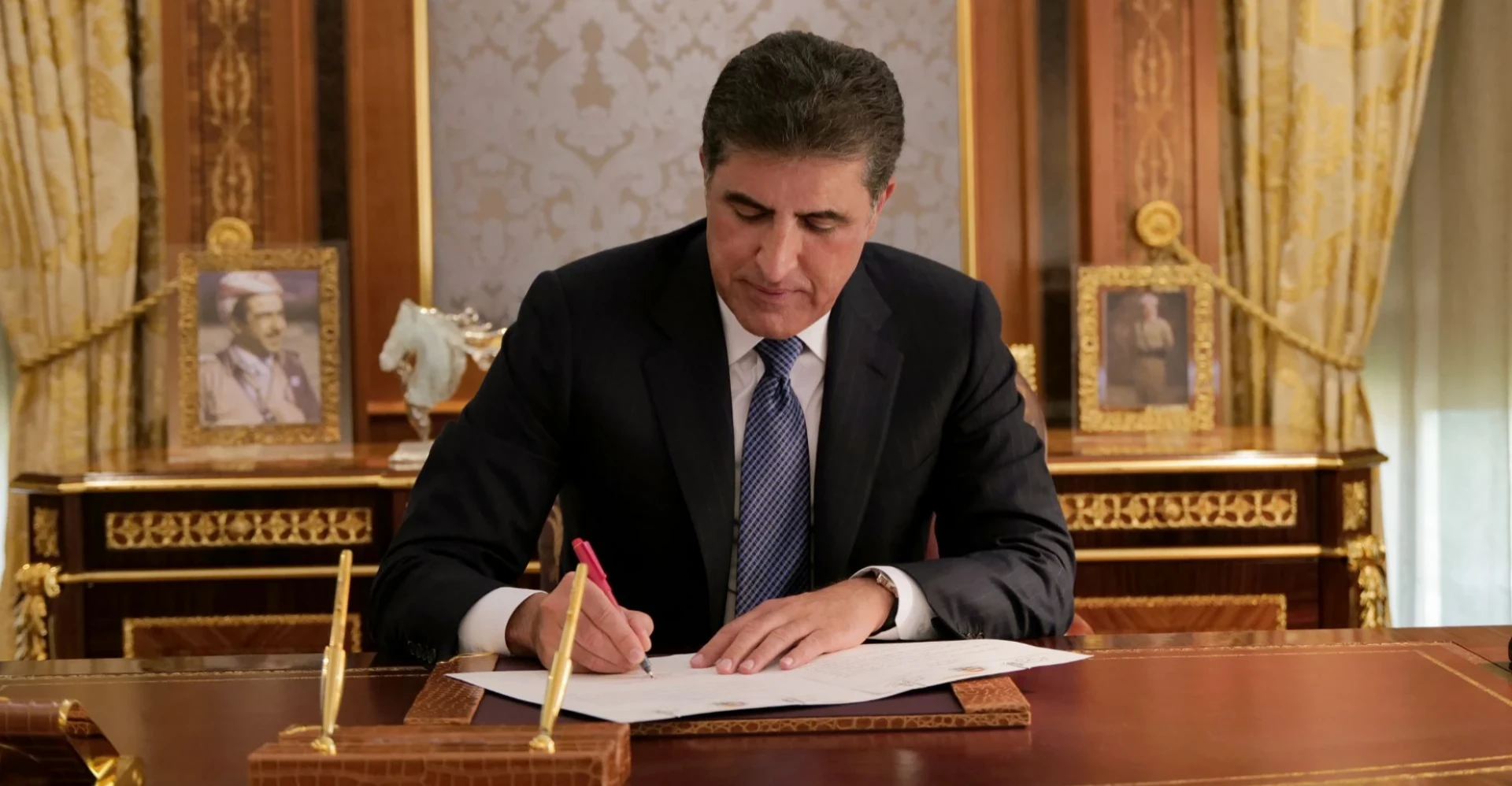
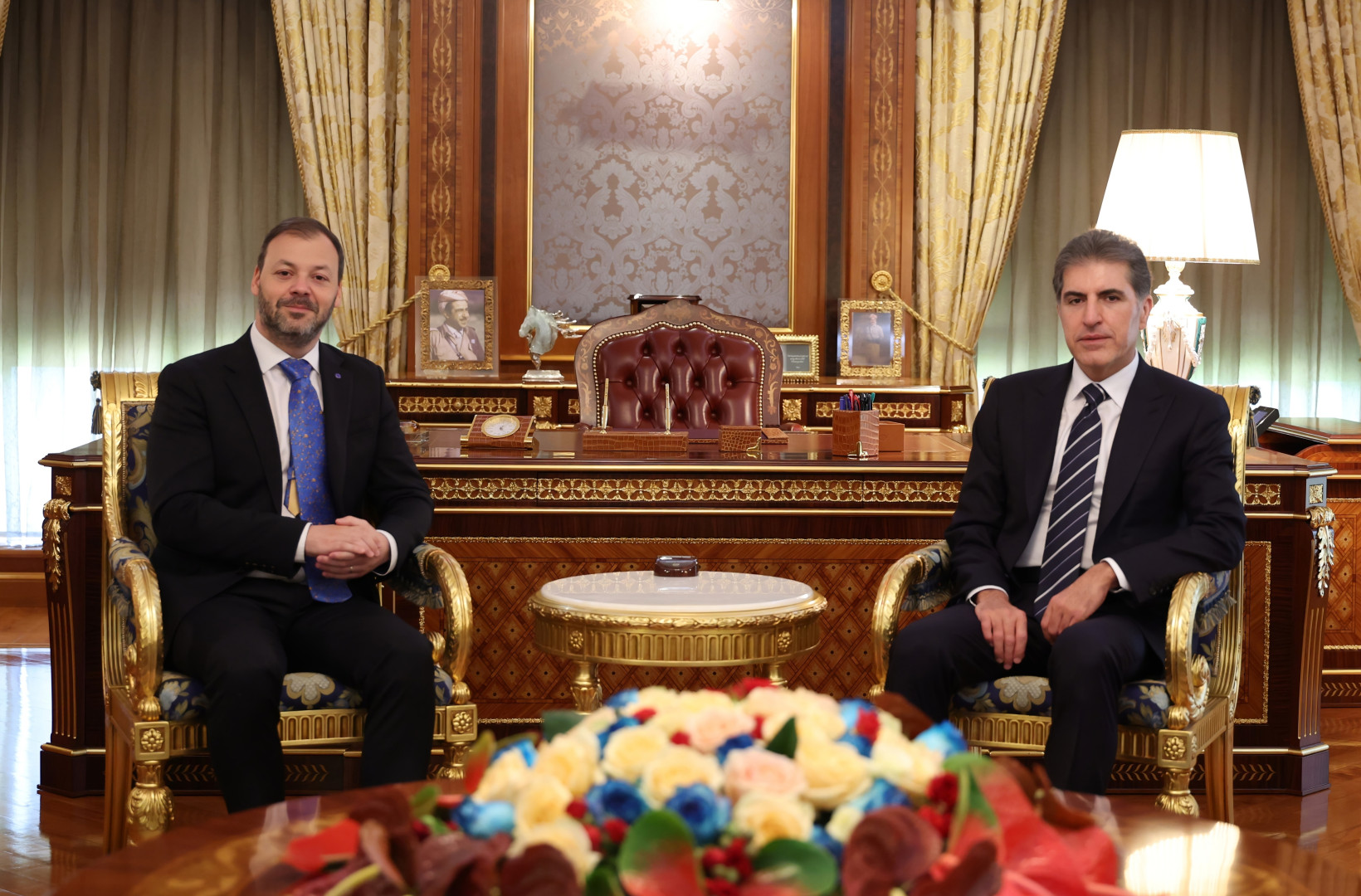
The importance of sport, especially football, in the Kurdistan Region in strengthening society has been recognised at the highest levels as it can play a meaningful role in regional development. President Nechirvan Barzani has publicly praised Kurdish football supporters and teams for their achievements and dedication. In one statement celebrating international recognition by the Fédération Internationale de Football Association (FIFA) he praised Zakho Sports Club’s management, coaching staff, and supporters after the club’s fanbase was named FIFA’s Best Fan at the global level, saying on 16 December 2025, “This global title is not only a victory for Zakho Club, but a source of pride for the entire sports movement in the Kurdistan Region and Iraq.”
He also emphasized how football supporters reflect the values of Kurdish society and communicate a positive image of the region abroad, stating, “Through your passion and dignified support, you conveyed the message of peace, love, and the zest for life of the people of Kurdistan to the world.”
These remarks highlight how football is seen as more than entertainment, but a way to represent Kurdish society internationally and promote values such as unity, respect, dialogue and peaceful coexistence: the very ones at the cornerstone of President Nechirvan Barzani’s approach to statesmanship.
Looking ahead, football is likely to remain an important part of life in Iraqi Kurdistan. Continued investment in youth academies, stadiums, and professional leagues will further strengthen the sport. The growing popularity of clubs like Zakho FC suggests that football culture in the region will continue to expand.
There is also potential for Kurdish players and teams to gain greater international exposure. As the quality of football improves, more players may compete abroad, bringing recognition to the Kurdistan Region. This development could strengthen the region’s cultural presence on the global stage.
Most importantly, football will likely continue to serve as a bridge between communities. Through youth participation, national competitions, and international recognition, the sport offers a peaceful way to connect people and encourage cooperation. The opening of the Real Madrid Foundation in Erbil has as its stated aim to promote social cohesion and prevent future violence and radicalization among youth especially through its academy training programmes for children aged 6 to 14.
Football has become deeply embedded in the social and cultural life of modern Iraqi Kurdistan. It represents identity, strengthens cohesion, and provides opportunities for young people. Clubs such as Zakho FC demonstrate how local teams can inspire entire regions. The role of football in promoting unity and dialogue cannot be underestimated.
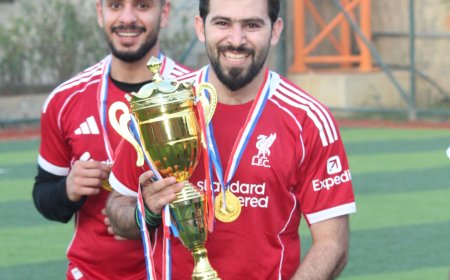
Victorious at the CUE Cup - December 2025
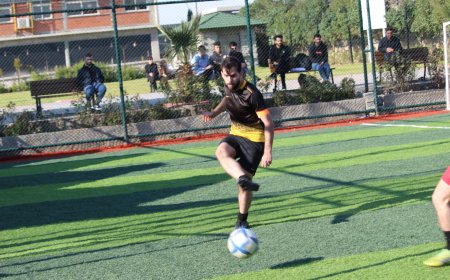
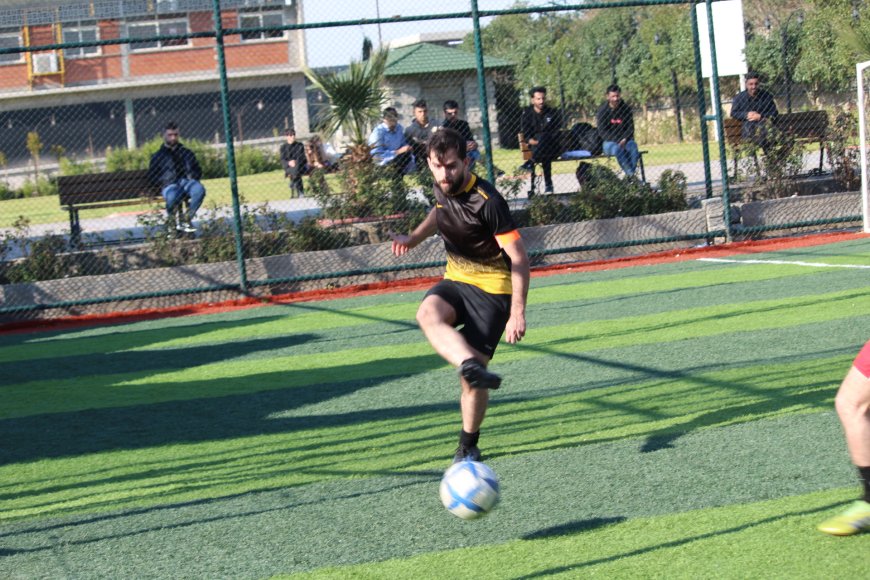
In action for the Dragons vs Medics