

/file/attachments/orphans/ED_543155_209242.jpg)



















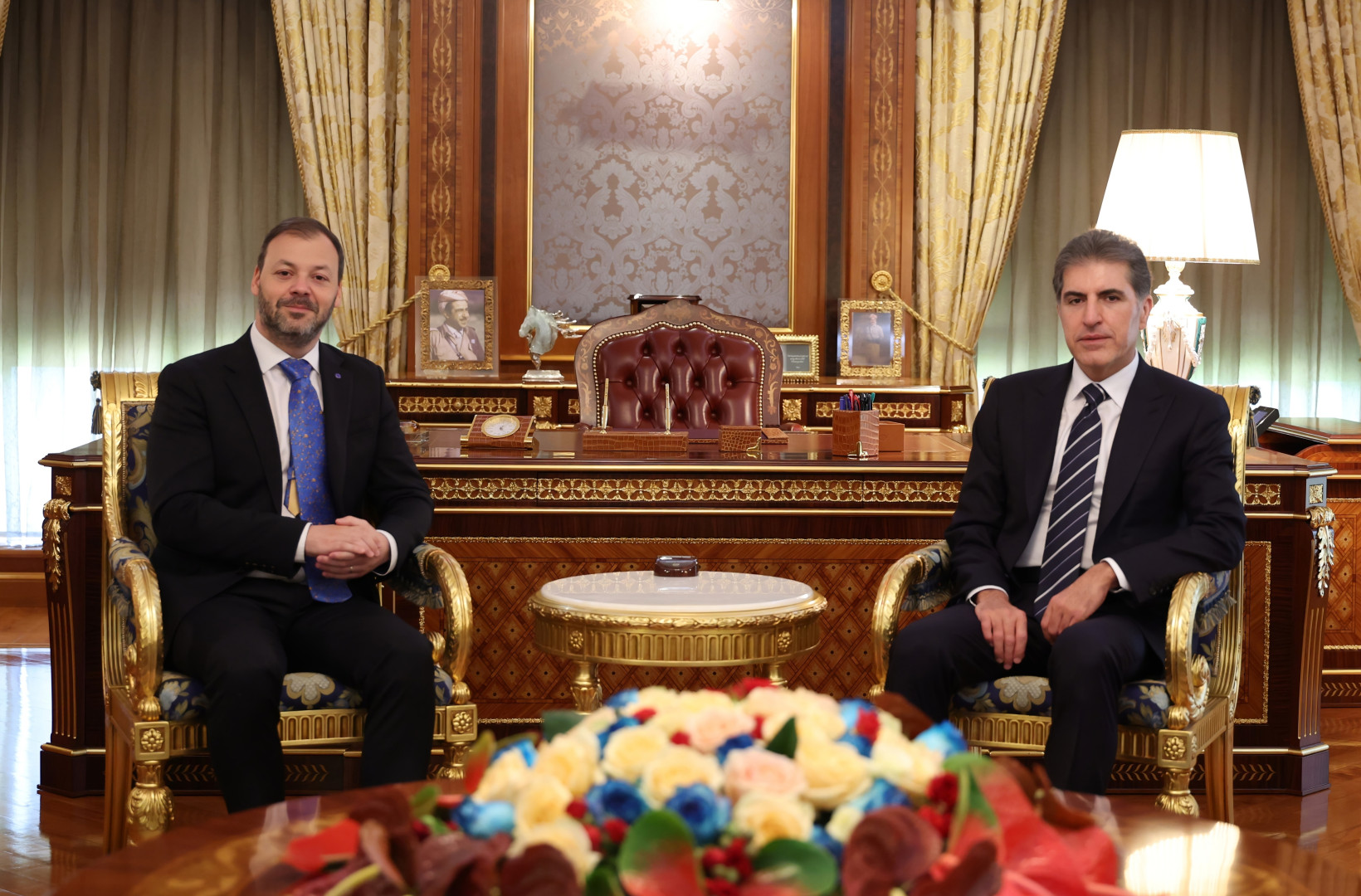
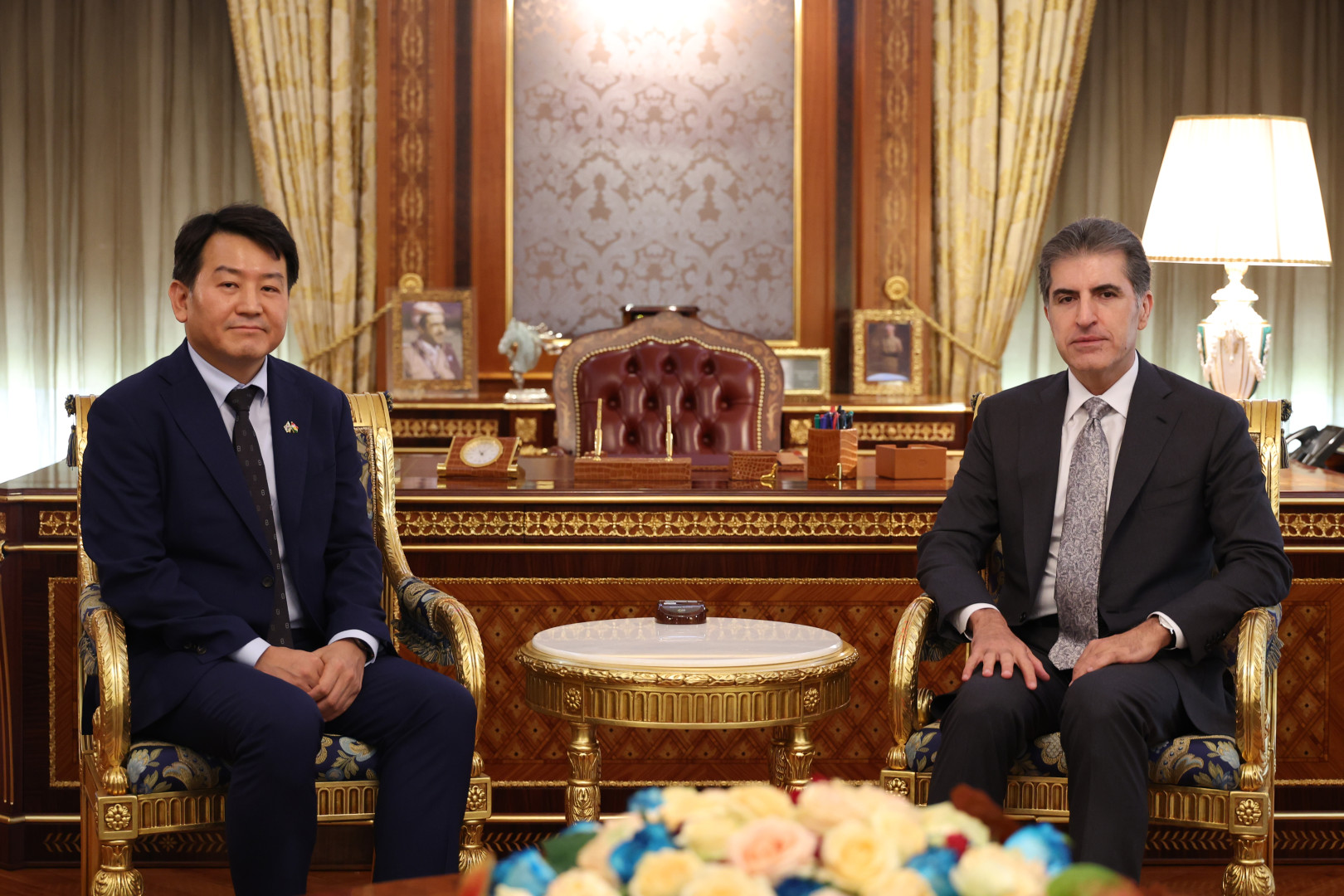
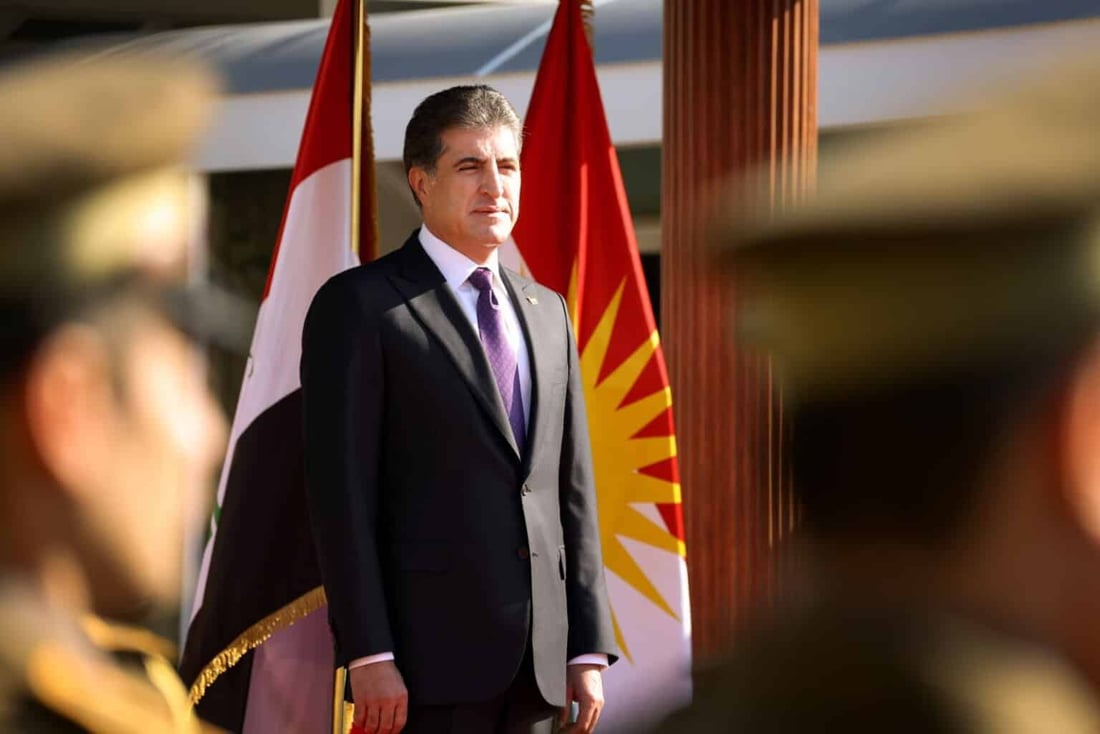
President Nechirvan Barzani and Human Rights Day
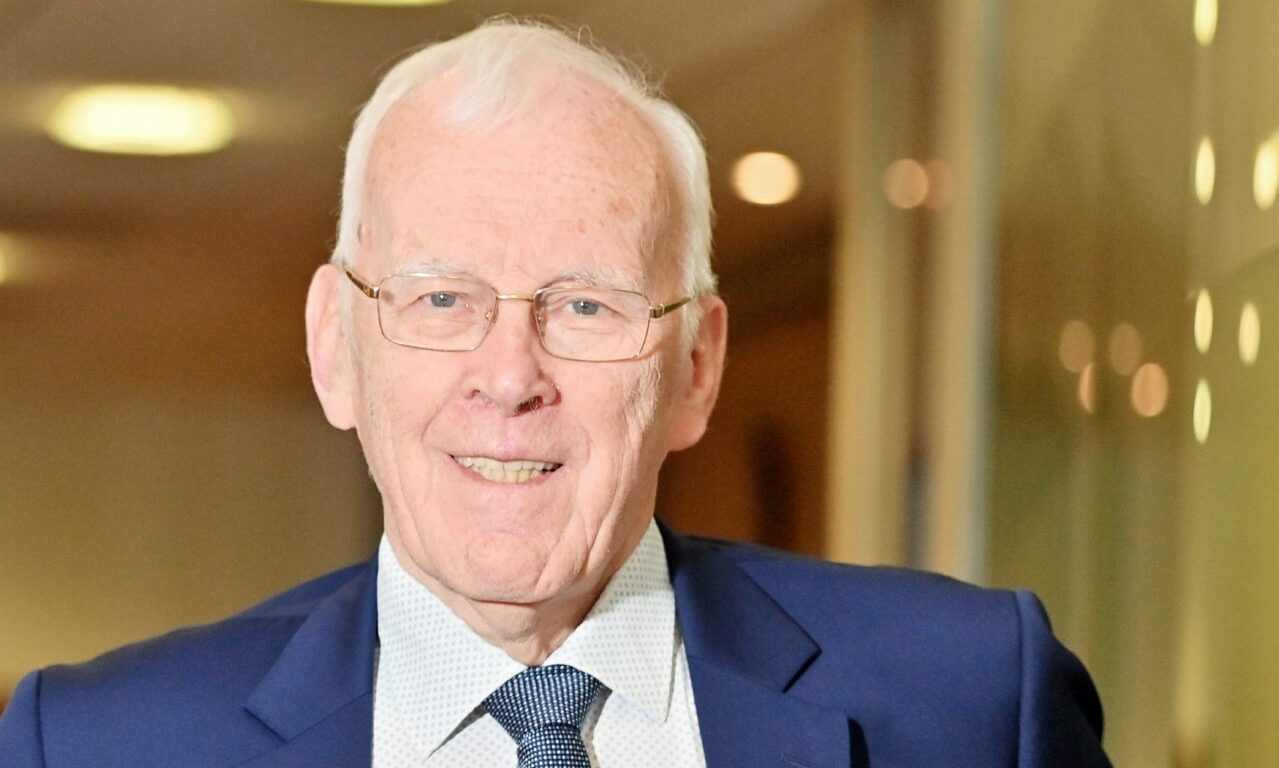
Michael EJ Phillips
Human Rights Day (10 December) and International Women's Day (8 March) are distinct yet interconnected global observances, which are particularly important for the Kurdistan Region of Iraq. This is especially the case as it stands as a beacon of religious and ethnic coexistence, tolerance and equality in the Middle East.
Human Rights Day is observed annually on 10 December and commemorates the day the United Nations General Assembly adopted the Universal Declaration of Human Rights (UDHR) in 1948. The Declaration was proclaimed by the United Nations General Assembly in Paris on 10 December 1948 and sets out, for the first time, those fundamental rights that must be universally protected regardless of race, color, religion, sex, language, political or other opinion, national or social origin, property, birth or other status. The core theme is the inherent dignity and equal rights of all human beings.
As a ‘common standard of achievement for all peoples and all nations,’ this document represents a global blueprint for international, national and local laws and policies, as well as one of the pillars of the 2030 Agenda for Sustainable Development. Available in 577 languages, from Abkhaz to Zulu, the Universal Declaration of Human Rights is the most translated document in the world.
International Women’s Day (IWD) is on the other hand celebrated every year on 8 March, and focuses specifically on celebrating the social, economic, cultural, and political achievements of women and advocating for gender equality. The observance highlights the unique challenges women face and the need to accelerate women's equality.
The connection between the two days is that women's rights are fundamentally human rights. The UDHR explicitly includes sex as a prohibited ground for discrimination, providing the legal and ethical framework that underpins the objectives of IWD. International Women's Day specifically targets areas where the universal human rights guaranteed by the UDHR are not yet fully realized for girls and women around the world.
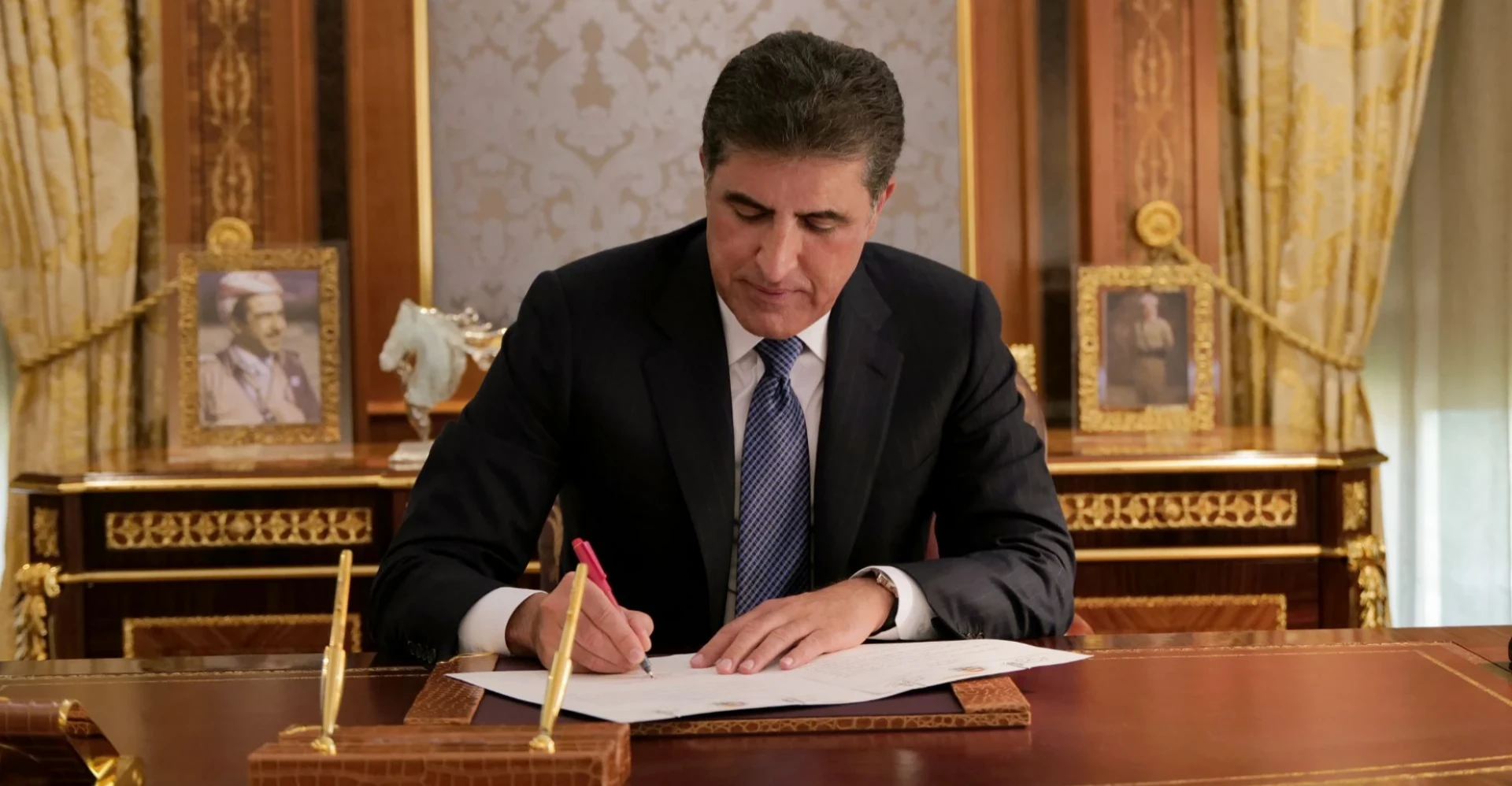
On International Women's Day this year, President Nechirvan Barzani delivered a clear message of support and recognition for women's contributions to society. In his statement, he warmly congratulated the women of Kurdistan, Iraq, and the world, emphasising their indispensable role in the ongoing struggle for justice, equality, and progress.
He further acknowledged the historical and contemporary role of Kurdish women in shaping Kurdistan's political and social landscape. He highlighted their courage, resilience, and sacrifices in the pursuit of freedom, noting that they have been integral to the nation's struggles and achievements. He stressed that Kurdish women are making significant contributions to various fields, including politics, administration, the economy, and education, ensuring their presence in all aspects of public life.
While progress has been made, President Barzani is clear about the challenges that remain in the pursuit of gender equality. He has reaffirmed his commitment to working towards a Kurdistan where women's rights are fully protected and where they are free from violence and discrimination.
He has also called for collective action to strengthen women's positions in all sectors. He emphasised that ensuring women's rights is a shared responsibility that requires effort from individuals, families, educators, institutions, and society as a whole.
President Nechirvan Barzani is unequivocal in that true democracy and societal advancement cannot be achieved without guaranteeing women's rights and freedoms. He believes that the Kurdistan Region must continue to serve as a model of equality, justice and human rights, where women play an active and equal role in building the future, in the spirit of coexistence, tolerance, and equality. A good example for all to follow.