


/file/attachments/orphans/ED_543155_209242.jpg)























Highland League managers welcome study revealing an increase in game time for young players
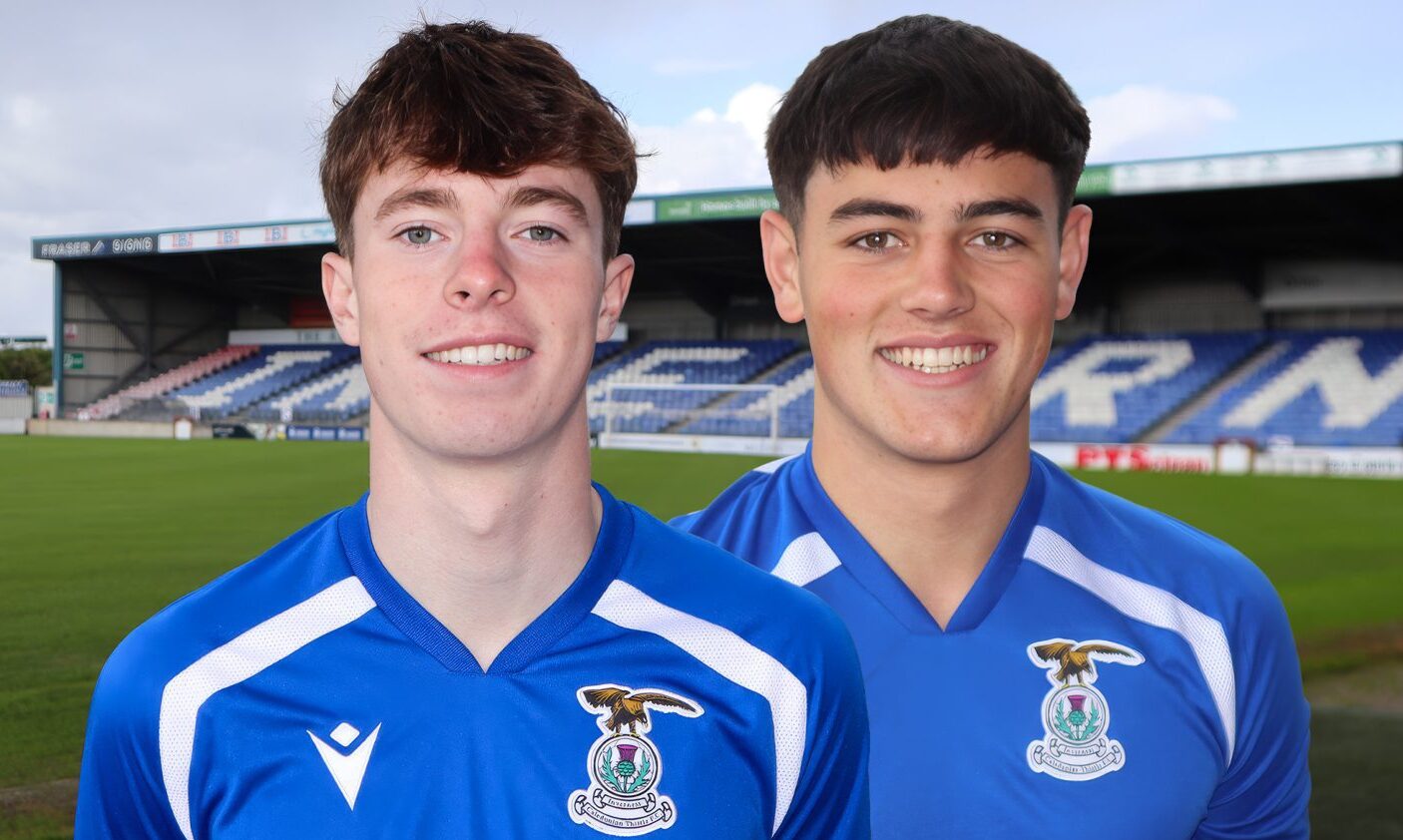
Players aged 16-21 have featured more in the Highland League this season than in previous years.
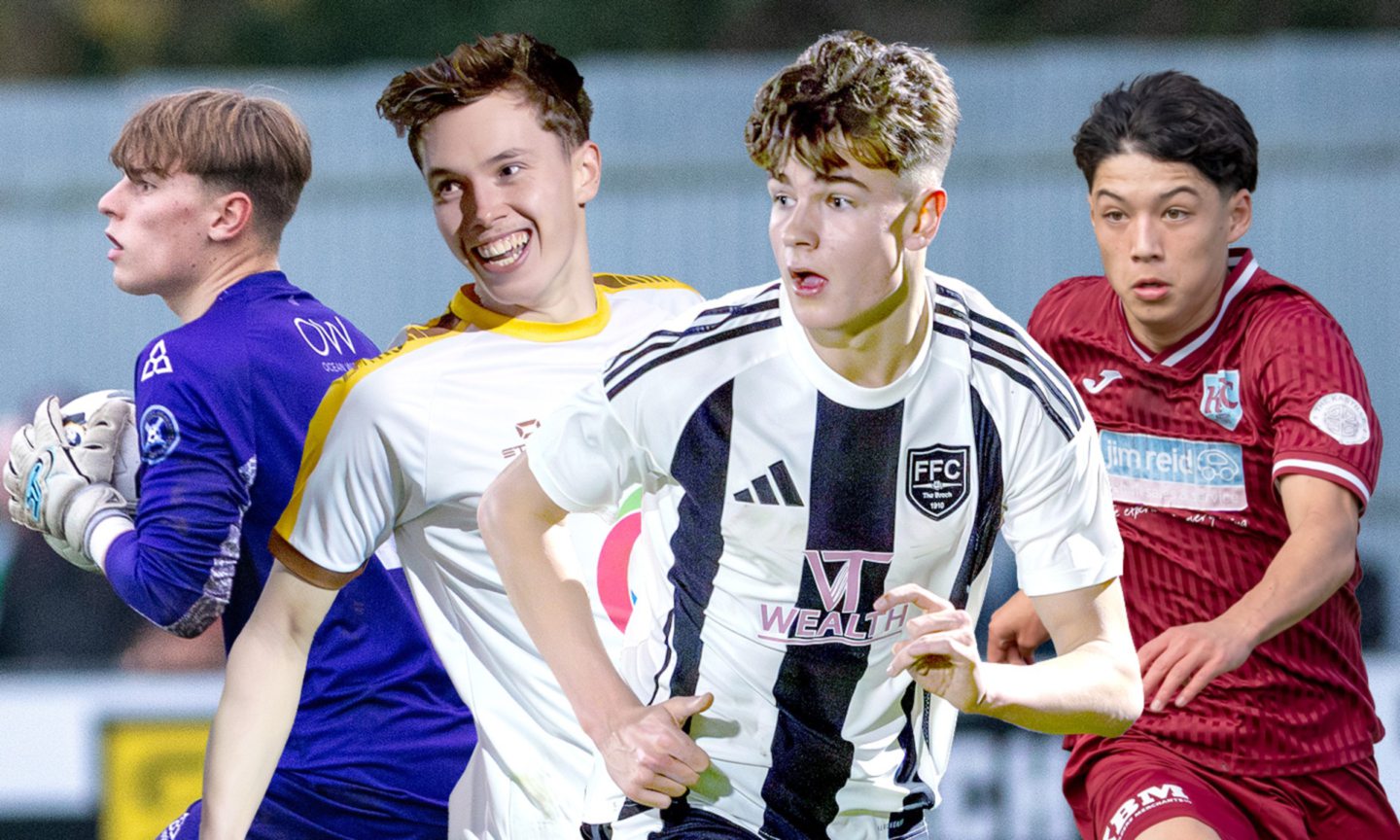
Highland League managers have welcomed the increase in opportunities for young players in the division.
But north football figures have also warned that more could be done to develop talent and expressed concerns about a lack of experienced players.
A recent study by the Scottish FA revealed that from the start of this season until the end of October players aged 16-21 had played 47,160 minutes in the Breedon Highland League, compared with 22,046 minutes for the same period in season 2023-24.
Part of the reason for the increase is that 125 matches were played during the time period this term, compared with 86 being played in the same window two seasons ago.
However, for each individual fixture in the period the average combined total minutes played by players aged 16-21 is 377, whereas, in 2023-24 the average for each individual match was 256 minutes.
Reasons for the rise
So what factors may have led to the increase?
Forres Mechanics Steven MacDonald said: “One of the changes would be the dismantling of reserve and youth leagues that senior clubs played in.
“As a result of this one club in particular – Aberdeen – have clearly made it their policy to put young players to lots of different leagues and clubs throughout Scotland and the Highland League is one of the leagues to benefit from this.
“Obviously because of their location this is more favourable for Aberdeenshire teams, but it’s been good to see so many talented young players developing.
“I think Aberdeen have eight players at various Highland League clubs at present so that alone would clearly contribute to a big increase in younger players’ minutes.
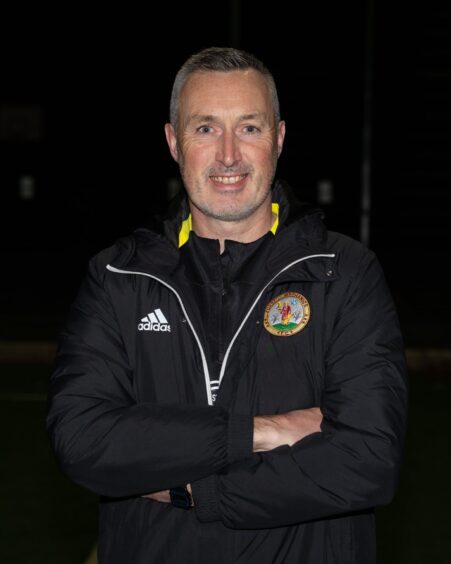
“Another factor could be the introduction of nine substitutes in the Highland League (which started in season 2023-24), it’s simply not possible to either attract, afford or keep a full squad of experienced players.
“This leads to more opportunity for young players, which I’d like to think most clubs would want to encourage anyway.
“There doesn’t appear to be as many older, experienced players playing for as long as they did in the past.
“A lot of guys seem to reach their early 30s and pack it in to do other things.
“I think if there were statistics on how many 30-year-old plus players there are in the Highland League, those stats would be quite illuminating too.”
Clubs cutting their cloth accordingly
Keith boss Craig Ewen echoed those sentiments and added: “I think part of the reason is that more academy players from clubs like Aberdeen, Ross County and Inverness Caledonian Thistle are being loaned out to the Highland League.
“Aberdeen have changed their strategy in terms of development this season and there’s quite a lot of players on loan in the Highland League.
“Ross County and Caley Thistle have boys out on loan and Dundee have sent players up on loan as well.
“I think that’s a factor, but I also think there’s possibly been a bit of a mindset change in the Highland League to play more younger players.
“The reasons behind that are probably a lack of experienced players and a lack of finance.
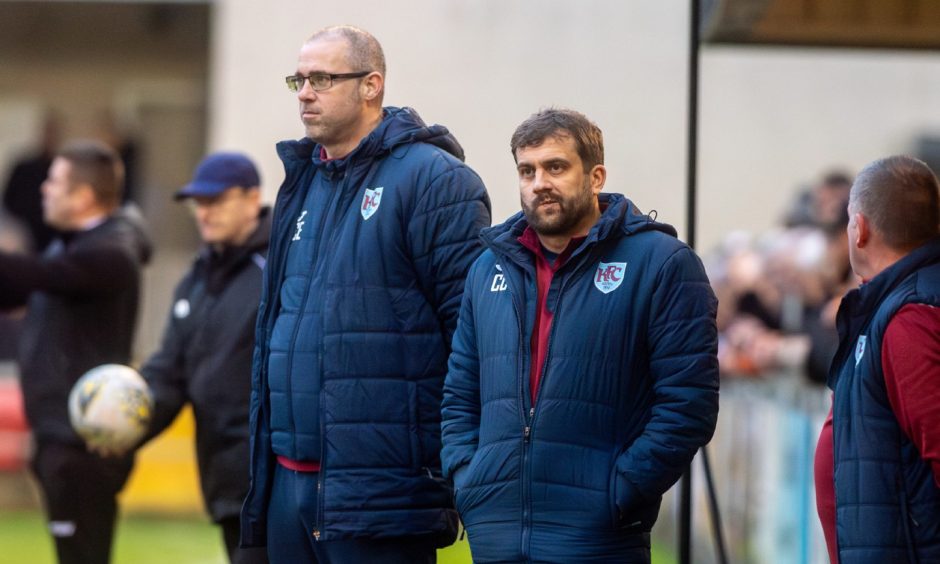
“At Keith over the years we’ve picked up a lot of guys coming out of other clubs and they’ve had an opportunity with us at a young age.
“As a club we’re not in a position to spend much on transfer fees so because of that we’ve had to look at younger players coming through who we can give a chance to do.
“That’s the case for quite a few clubs in the Highland League, you have to cut your cloth accordingly.
“There maybe has been a changing of the guard in terms of a generation of older players stopping, but I think the overall increase in minutes for young players is a good thing for both the league and the players.”
Mackay sees the positives
Brora Rangers manager Steven Mackay believes the impression made by young players in the Highland League this season has been encouraging, whether it’s players coming into the division on loan from SPFL sides, or progressing through the youth systems of Highland League clubs.
He said: “I think more young players playing and doing well in the Highland League is definitely a good thing.
“If you’re looking at players coming from higher levels, I don’t think there’s any better place for them to develop than the Highland League.
“It’s a really testing and demanding league and I think people sometimes underestimate that.
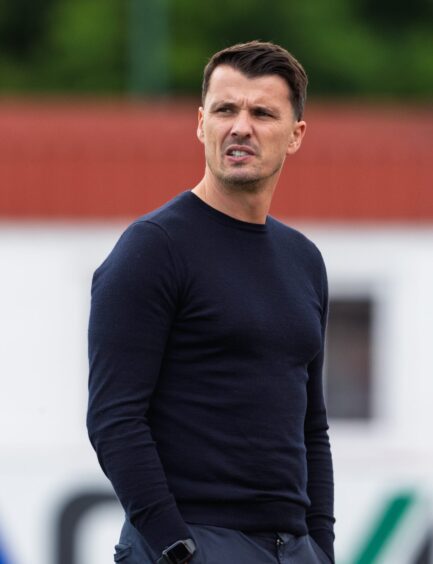
“In recent times we’ve seen great examples of players such as Andrew Macleod and others that have come into the Highland League from SPFL clubs who have done really well.
“At Brora we don’t have our own youth set-up because geographically we don’t think we could make it work.
“But I look at other clubs who have young players coming through and I think it’s very encouraging.
“Every season you see players that break in and do really well and this season’s been no different.
“The Highland League is a great environment for young players to cut their teeth in.”
More can still be done
Fraserburgh’s Mark Cowie thinks more could be done to bridge the gap from youth to first-team football and believes developing young players is an important issue for every club.
The Highland League’s longest-serving manager, who was appointed in April 2015,said: “Whatever the stats or numbers every club is always going to have to try to develop young players, whether it’s one player or 20 players.
“Every club’s agenda will be different, for some it’s getting them in to be part of your team long term, but for others it’s maybe to develop them and then move them on to make some money.
“Personally I think the juvenile set-up in the north-east is great, but there comes a time when the kids need to be tested and maybe we could test them more than we currently are.
“Looking at the Highland League set-up we’ve got the Under-18s, which is a great set-up and then we’ve got the Aberdeenshire League which is U21s and I’ve been advocating trying to adjust that for a few years.
“It’s just my personal opinion, but I think we should allow more overage players (three is the current limit) to play so that it’s more competitive and more like what playing in the Highland League is like.
“I don’t view it as a youth league, I view it as the last step before you play in the Highland League.
“I’d rather see the young players tested a bit more by playing with and against more experienced first-team players within that environment so as a manager I can then make a decision on whether they’re ready to play in the Highland League.
“There’s lots of different things we can look at, but in my opinion once players reach 16, 17 and 18 we need to start testing them more.
“Just now going from U18s into a first-team it’s a huge gap and we need to do more to bridge that gap.
“Every club will go through a bit of a changing of the guard at some point when a group of experienced players end up stopping.
“Unless you’re able to go and spend money continuously to sign replacements, which many teams aren’t in a position to do, then you need to replace players that stop with young players.”
Initiatives can be built upon
Forres’ MacDonald also thinks there is work to do to ensure talent continues to emerge in the Highland League.
He added: “My overall worry would be about the number of players that are capable of playing Highland League football currently and with football changing all the time, how you attract the quality required for the league to continue to thrive.
“I think the Highland League is still a money dominated league with the top teams having the best experienced players, which young players alone won’t survive against.
“It’s no different to most other leagues I suppose, but sadly I think the introduction of young players is sometimes down to desperation, or needs must, as much as anything and that needs to change.
“Far more needs to be done for the future of youth players and initiatives like the cooperative loan scheme need to be built upon to prove there really is long term benefit with success for both clubs involved and the players before any premature back slapping is done.”
[Source: Press and Journal]