











/file/attachments/orphans/iStock-802203090_325419.jpg)













International financial institution issues urgent warning regarding economic stability inside Tunisia
A comprehensive structural overview highlights severe capital market restrictions alongside dangerous external vulnerabilities
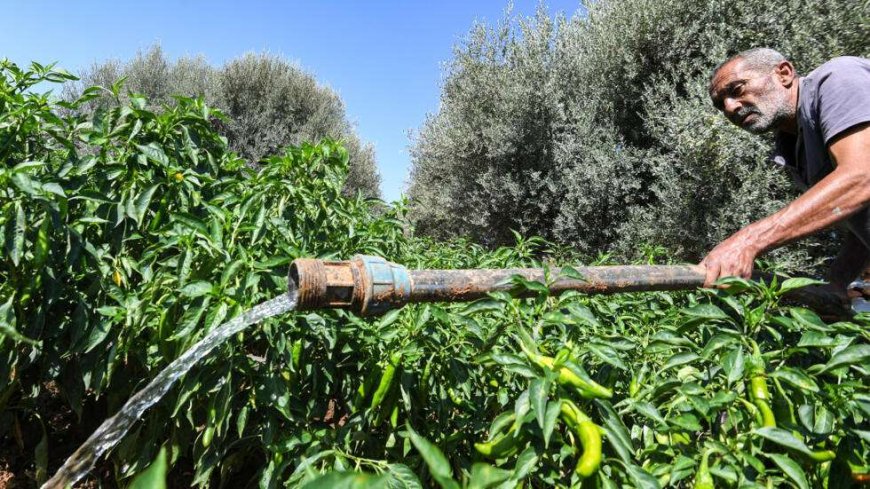
The prominent World Bank officially issued a comprehensive assessment today regarding the fragile national economic recovery currently occurring across Tunisia. Furthermore this detailed structural analysis indicates that the domestic marketplace faces severe systemic challenges despite experiencing a modest agricultural expansion recently. Therefore international analysts remain highly cautious about the long term prospects of this north African nation during these turbulent times.
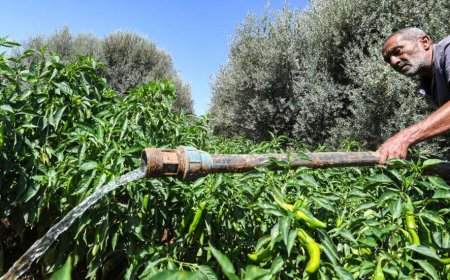
Previously the regional agricultural sector achieved a minimal growth surge because improved seasonal rainfall boosted local crop production significantly. However the broader national infrastructure still confronts immense fiscal strain due to a complete lack of necessary structural adjustments. As a result the temporary benefits of favorable weather conditions cannot fully offset the substantial macroeconomic deficits accumulating daily.
Subsequently the central government faces intense pressure because severe restrictions continue to block access to international capital markets completely. Meanwhile the crucial emergency loan negotiations with the International Monetary Fund remain entirely stalled after months of political gridlock. Consequently state authorities must find alternative financing methods to manage the rising public debt obligations without external assistance.
Therefore the administration relies heavily on local commercial banking institutions to fund its substantial ongoing budgetary requirements this year. Unfortunately this specific financial strategy effectively crowds out essential credit opportunities that the domestic private sector desperately needs. Ultimately this lack of available commercial capital severely hampers private investment and prevents long term job creation nationwide.
Additionally this internal borrowing practice leaves the vulnerable country highly exposed to volatile global economic shifts moving forward. Specifically the ongoing Middle East security crisis creates an incredibly unpredictable environment for international energy supply lines. Accordingly any sudden increase in global crude oil prices will place immense strain on the state budget.
Meanwhile the domestic marketplace must also navigate the complex economic repercussions of high structural unemployment and persistent inflation. Therefore the current leadership faces the daunting task of implementing comprehensive fiscal reforms while simultaneously protecting vulnerable populations. Indeed the world will monitor how the nation balances these domestic priorities against strict international financial obligations.
Ultimately the international community urges the local authorities to resume discussions with global lenders to secure stable funding. Furthermore achieving true economic resilience will require a renewed commitment to transparent governance and private sector empowerment. Consequently the next few months will prove absolutely critical for determining the fiscal trajectory of this fragile Mediterranean nation.
[Source: The Morning Telegrph]