













/file/attachments/orphans/iStock-802203090_325419.jpg)











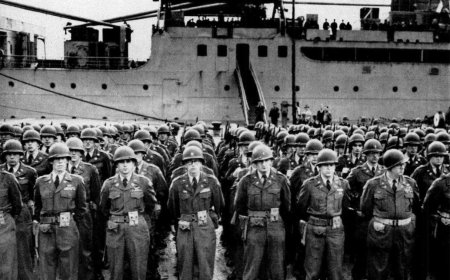


Soviet Russia recognizes Lithuanian independence in historic peace treaty
Moscow signs landmark agreement to establish sovereign Baltic borders
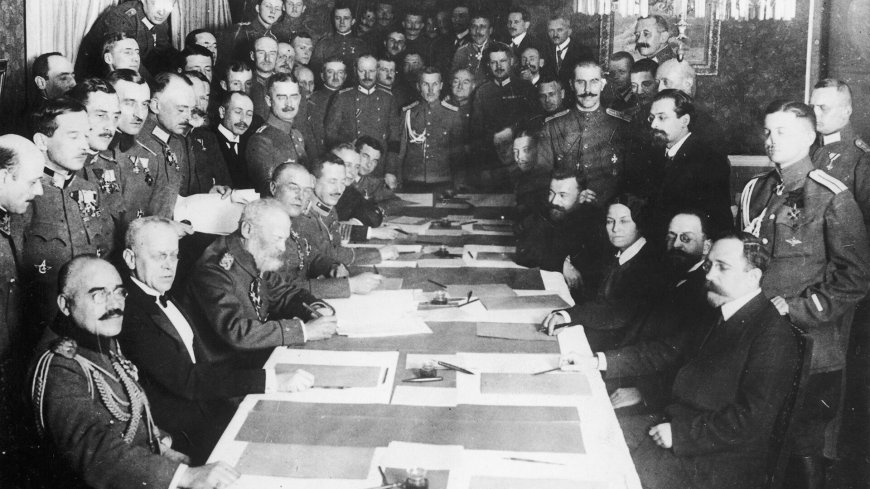
Soviet Russia officially signed a historic peace treaty with Lithuania today to recognize its complete independence and sovereign borders. This momentous agreement follows years of intense geopolitical chaos across Eastern Europe after World War I and the Russian Revolution. The newly formed Bolshevik government formally renounced all historical claims to Lithuanian territory to establish a peaceful diplomatic relationship.
Delegates from both nations met in Moscow to finalize the intricate details of this groundbreaking diplomatic pact. Lithuania successfully secured its territorial sovereignty and established clear national boundaries despite intense pressure from surrounding European powers. The treaty effectively halts Soviet expansion toward the west by creating a solid geographic buffer zone in the region.
Both governments expressed immense relief after concluding the intense negotiations that lasted for several months during the spring. The Lithuanian representatives praised the agreement as a vital milestone for their long journey toward true national self-determination. Meanwhile the Soviet authorities emphasized their desire to foster stable relations with neighboring states through peaceful diplomatic treaties.
This sudden diplomatic shift fundamentally alters the fragile balance of power throughout the entire Baltic region this year. European observers closely monitor how neighboring Poland will respond to these newly defined borders and sovereign territorial alignments. The treaty also includes specific provisions for economic cooperation and the immediate return of cultural artifacts to Lithuania.
Historians consider this specific document a crucial turning point for the modern geopolitical landscape of Eastern Europe. The agreement grants Lithuania a vital window of opportunity to build its democratic institutions and stabilize its economy. Observers remain cautious but hopeful about the long-term stability that this comprehensive peace treaty might finally bring.
[Source: New Eastern Europe}